
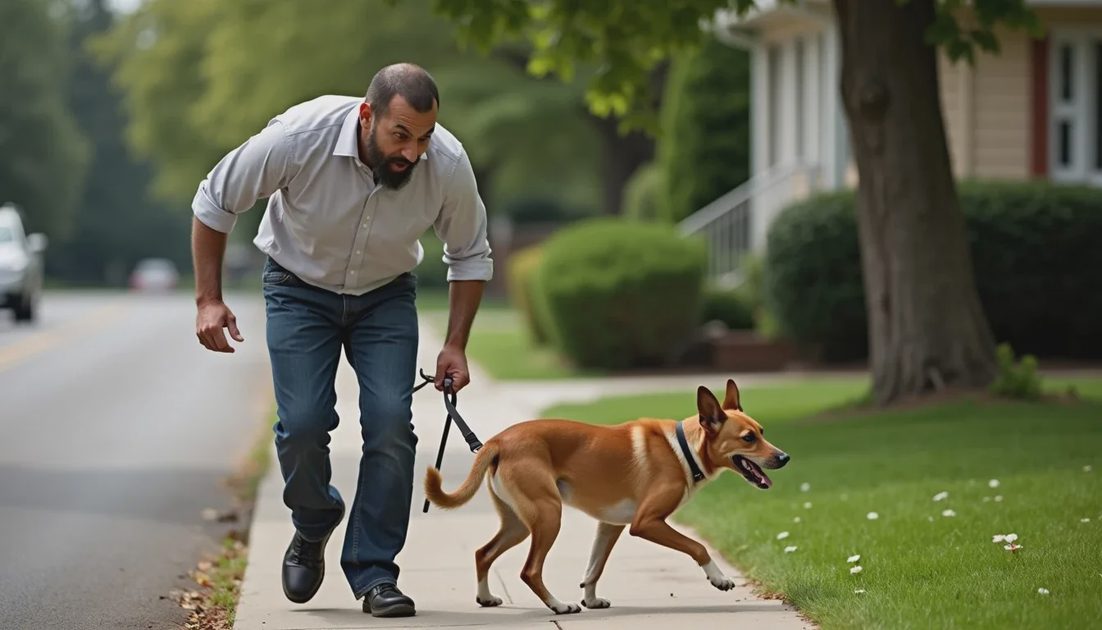
For six months I walked Pepper the same way every day and wondered why nothing improved.
I would start with good intentions. I had treats. I had a plan. Within two blocks the leash was tight, my shoulder hurt, and I was repeating “easy” in a voice that no longer sounded easy.
I thought the problem was that I needed a better tool or a stronger correction. The real problem was that I was practicing the exact thing I did not want.
The Mistake
I allowed (and therefore rewarded) tight-leash walking for the majority of every walk.
Every time Pepper pulled and I continued forward, she learned that pulling worked. The walk kept going. She got to the next smell. The behavior paid off.
I was so focused on “getting the walk done” that I accidentally trained the opposite of what I wanted. The more steps we took with a tight leash, the stronger that pattern became.
Why This Happens to So Many of Us
Loose-leash walking is one of the most common goals and one of the easiest to practice incorrectly. A few reasons explain why the pattern is so persistent:
Walks have other purposes (potty, exercise, sniffing, mental stimulation)
We feel social pressure to keep moving and not look like we are “having trouble”
Stopping and resetting feels slow and awkward in public
The dog’s pulling is intermittently reinforced by the environment itself—new smells, forward motion, and the chance to investigate
Once the pattern is strong, it takes deliberate effort to change it. Continuing to walk forward while the leash is tight simply gives the dog more practice at the unwanted behavior.
What Finally Started to Work
I stopped trying to fix the whole walk at once. Instead I changed the rules for short sections.
New rule I used:
If the leash goes tight, we stop. When the leash softens, we move forward again.
At first we barely made it twenty feet. That was fine. I was no longer rehearsing the pulling pattern. I was finally giving Pepper clear information: tight leash means the walk pauses; soft leash means the walk continues.
I also started using higher-value rewards for walking near me in low-distraction areas before asking for the same behavior on busier sidewalks.
A Practical Way to Rebuild Loose-Leash Walking
1. Choose easy practice locations first
Quiet residential streets, a driveway, or even a low-distraction park path beat the busy main road at the beginning. Success at an easier level builds the foundation for harder environments.
2. Decide what “success” looks like in the moment
Early on, three or four steps with a soft leash can be worth a reward. Criteria should start where the dog can succeed, not where you eventually want to be.
3. Stop reinforcing the tight leash
This is the hard part. It means the walk may be shorter or slower for a while. Every time you continue forward while the leash is tight, you are paying the pulling. Consistency here matters more than perfect technique.
4. Reward the position you want
Mark and pay when the dog is near you with a soft leash, even if only for a second. Early reinforcement should be frequent so the dog clearly understands what is working.
5. Keep sessions short and end on a good note
Better to do three successful short sessions than one long frustrating one. Ending while the dog is still successful protects the positive association with walking near you.
What I Wish I Had Known Earlier
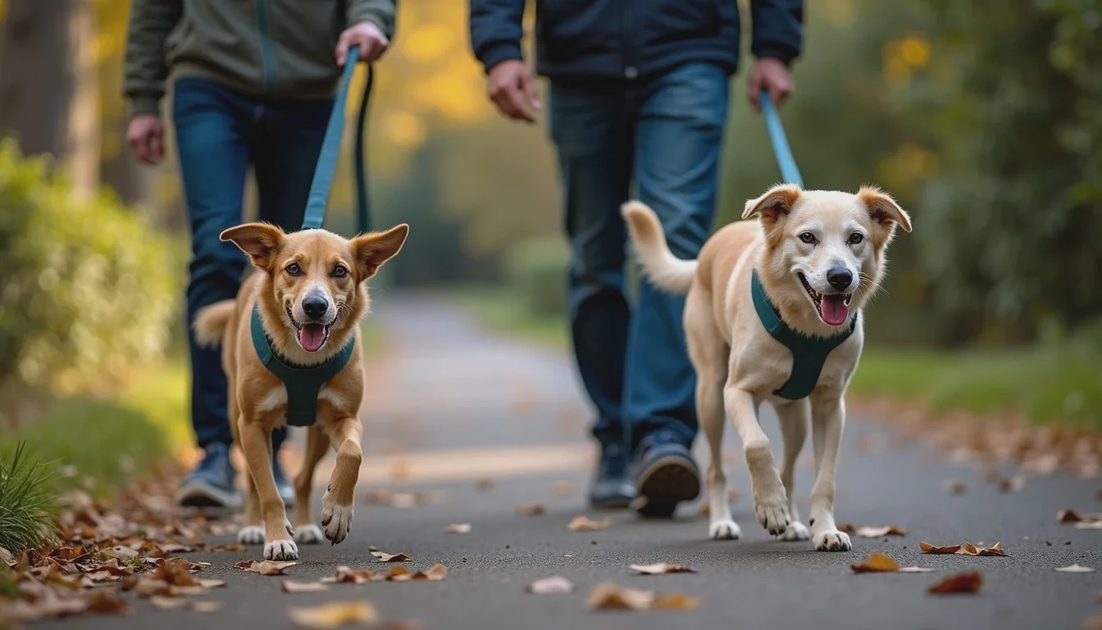
Tools (front-clip harnesses, head halters, etc.) can help with management, but they do not replace teaching. They are supports, not solutions by themselves.
Consistency matters more than perfection on any single walk. A few clean minutes of soft-leash walking are more valuable than a full walk spent mostly on a tight leash.
The dog is not “being dominant.” She is doing what has worked. Pulling has a reinforcement history. Your job is to change that history.
Progress often looks like shorter walks that feel better, not longer walks that still involve pulling. Quality of the leash skill matters more than distance covered in the early stages.
A Note on Management Versus Training
Some days you just need to get the dog outside for potty and a bit of movement. On those days it is okay to use management (front-clip harness, shorter route, higher rate of reinforcement, or even a different tool) without turning the entire outing into a formal training session.
The key is knowing which walks are for training and which are for living. I spent six months treating every walk as both, and it diluted the learning. Separating the two reduced frustration and made the training sessions more productive.
How the Change Felt in Practice
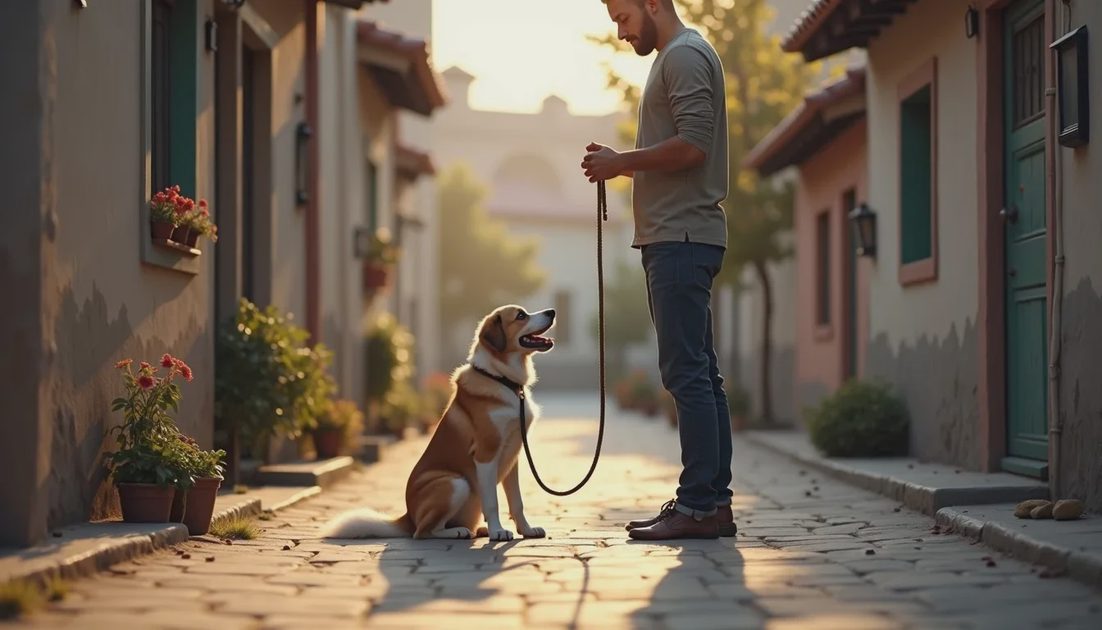
The first week of the new approach felt slow and almost silly. We stopped constantly. Other people walked past us. Pepper looked confused at times. But within a couple of weeks the soft-leash moments started lasting longer. She began to offer walking near me more often because it was now the strategy that kept the walk moving.
The biggest internal shift was accepting that I had been the one practicing the wrong behavior. Once I stopped reinforcing the tight leash, Pepper started offering softer walking much faster than I expected.
Final Thought
The biggest lesson from those six months is simple: you get the behavior you rehearse. If most of the walk is spent with a tight leash, that is the pattern being strengthened. If you protect short sections of soft-leash walking and stop paying the pull, the pattern can change.
Loose-leash walking is not a single skill you install once. It is a pattern you either strengthen or weaken every time you step out the door. You get to choose which pattern you rehearse.




Letters
No letters yet — be the first to write.