

Bringing a new dog home feels like the start of something big. You have the bed, the bowls, the leash, and a mental list of everything you want to teach in the first week.
Most of that list can wait.
The first seven days are less about training and more about helping the dog feel safe enough to start learning later. I learned this the hard way with both Pepper and Milo. I tried to do too much too soon, and it only made the early weeks harder than they needed to be.
What the First Week Is Really For
The main job of the first seven days is simple:
Help the dog decompress, learn the basic layout of the house, and begin to trust that you are predictable.
Everything else—perfect loose-leash walking, long stays, advanced cues, or polished manners—can wait. A dog who feels safe learns faster later. A dog who is pushed too hard in the first week often becomes more guarded or over-aroused.
Days 1–3: Decompression Over Everything
Most newly adopted dogs are running on stress hormones. Even a calm-looking dog is often more overwhelmed than we realize. In these first three days I focus on:
Keeping the environment quiet and predictable
Limiting new people and long outings
Showing the dog where the water, food, potty area, and resting spots are
Letting the dog sleep as much as it needs
I do not ask for sits, stays, or formal training sessions. If the dog offers a behavior I like, I quietly reward it. That is enough. The goal is not progress on a skill list. The goal is recovery.
Days 4–7: Light Structure Starts
Once the dog is eating well, sleeping, and starting to explore more confidently, I begin adding very light structure:
A simple name game (say the name, reward when the dog looks)
Short leash walks around the immediate area (not full neighborhood tours)
A basic “find your mat” or “go to bed” using a lure
Gentle handling practice (touching collar, paws, ears) paired with food
Still no long training sessions. Five minutes here and there is plenty. The dog is still adjusting. Short, positive interactions build trust without adding pressure.
What I Deliberately Ignore in the First Week
It is easy to feel pressure to “start training right away.” Here is what I consciously put on hold:
Perfect potty training schedules (accidents are normal and expected)
Loose-leash walking goals
Stopping all jumping or mouthing (management first, training later)
Formal recall practice in distracting environments
Any method that relies on the dog already trusting me deeply
Long outings or highly stimulating environments
Trying to fix every behavior in week one usually creates more stress for both of you. Management (baby gates, leashes, closed doors, supervised potty trips) handles the practical problems while the dog settles.
A Simple Daily Rhythm That Works
Here is the loose structure I use. Exact times do not matter. Consistency of the pattern matters more than the clock.
Morning
Short potty trip → breakfast → quiet time or short supervised exploration
Midday
Another potty break → short sniff walk or backyard time → rest
Evening
Potty → light interaction or very short training game → dinner → wind-down
This rhythm gives the dog predictable cycles of movement, food, and rest without overwhelming them with constant new demands.

Common Early Mistakes I Made (So You Can Skip Them)
1. Too many new places too soon
I took Pepper to three different parks in the first five days. She shut down. Now I keep the radius small for the first week or two. The house, the yard, and the immediate sidewalk are enough.
2. Asking for too much eye contact and obedience
A stressed dog often cannot give you the focus you want. Waiting until the dog offers attention voluntarily works better than repeatedly asking for it.
3. Interpreting every behavior as a training problem
Pacing, whining, hiding, or following you constantly in the early days is usually stress or uncertainty, not “bad manners.” Responding with more training pressure often makes it worse.
4. Skipping real rest
New dogs need more sleep than most people expect. Protecting quiet time is part of the job in week one.
When to Start More Formal Training
I usually wait until I see these signs before increasing structure:
The dog is eating normally
The dog can settle in at least one spot in the house
The dog is starting to seek me out for interaction
Basic house routines feel somewhat predictable
For some dogs this happens by day 7. For others it takes two or three weeks. There is no prize for rushing. Starting formal training before the dog is ready usually produces slower progress, not faster.
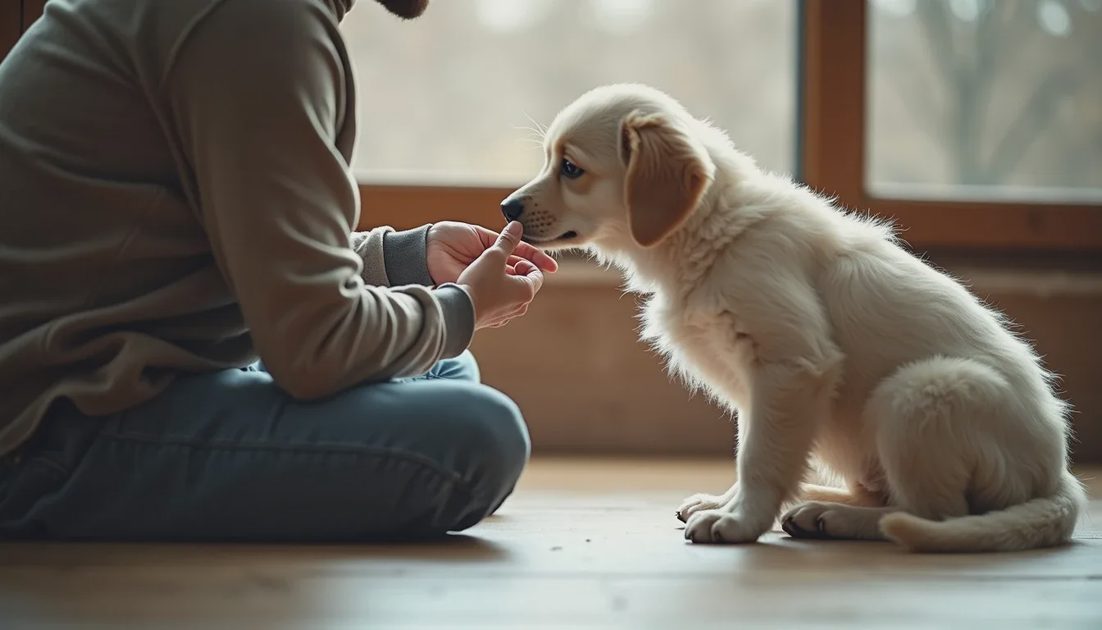
How This Approach Changed the Early Weeks
With Pepper I pushed too hard and created unnecessary friction. With Milo I protected the first week more carefully. The difference was noticeable. Milo settled into the household rhythm faster, offered engagement more readily, and was ready for short training sessions sooner because the foundation of safety was already there.
The first week is not wasted time if you spend it on decompression. It is an investment that makes every later training session easier.
Final Thought
The goal is not a trained dog by day seven.
The goal is a dog who is beginning to feel safe enough to learn.
Everything you want to teach later will go more smoothly if you protect these early days. Progress has four paws and a messy middle—and the first week is supposed to look a little messy. That mess is often the most important part of the beginning.



Letters
No letters yet — be the first to write.