
A no pull dog harness can make walks easier to manage, but it will not teach a dog what to do instead of dragging you toward a squirrel. The useful version is a well-fitted walking tool paired with short, reward-based practice. It should give you better control without choking, pinching, or turning every sidewalk outing into a wrestling match.
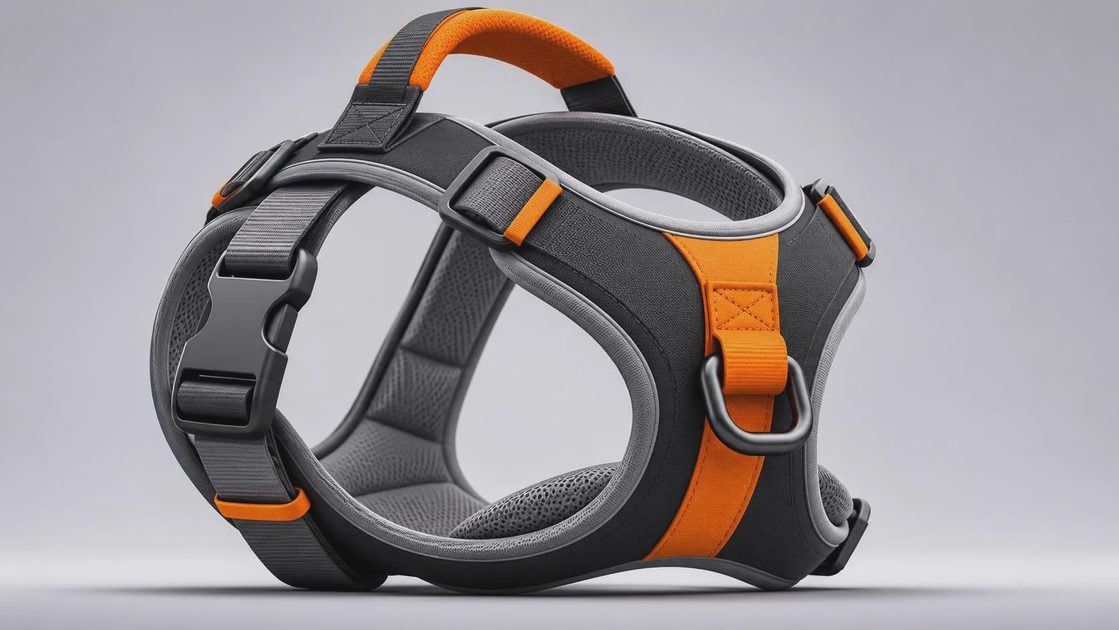
If you are shopping today, start by looking at front-clip or dual-clip designs rather than a harness that simply promises to stop pulling. The Blue-9 Balance Harness is worth comparing for owners who want many adjustment points and a less bulky everyday setup. The 2 Hounds Design Freedom No-Pull Dog Harness may suit a strong, highly motivated dog when its multi-connection design is used as directed. PetSafe's 3-in-1-style harness line is another option to inspect if you want a familiar brand and more than one leash attachment choice. Product layouts can change, so check the manufacturer's current instructions before ordering.
The best choice depends on your dog's body shape, pulling style, and walking environment. A front attachment can help turn a dog back toward you when the leash tightens. That is different from stopping the behavior permanently. Your first goal is a walk with fewer hard lunges, not a magical transformation by the end of the block.
How a no pull dog harness should work
A front leash ring changes the direction of pressure when the dog moves ahead. Instead of allowing the dog to lean straight into the leash, the setup may guide the chest slightly to the side. That can give you a moment to reward your dog for looking back, slowing down, or walking beside you.
A back clip is often more comfortable for relaxed walks, hiking, or dogs who do not pull much. Some harnesses offer both attachment points. That flexibility is useful, but it also creates room for mistakes. Read the instructions, use the attachment recommended for your situation, and do not combine straps in a way the manufacturer does not describe.
Fit matters more than the label. The harness should sit securely behind the front legs without rubbing the armpits. You should be able to slide two fingers under the straps, but the dog should not be able to reverse out of it when backing away. Check the chest strap, neck area, and buckles while your dog is standing and moving. A fit that looks fine in the living room may shift once your dog trots, sniffs, or spins.
Watch the dog's body language during the first few sessions. Freezing, repeated scratching, tucked posture, reluctance to move, or frantic attempts to remove the harness are signs to pause and reassess. Some dogs need several tiny introductions: show the harness, give a treat, put it on briefly, give another treat, then take it off before the dog becomes overwhelmed.
Pair the no pull dog harness with a simple walking lesson
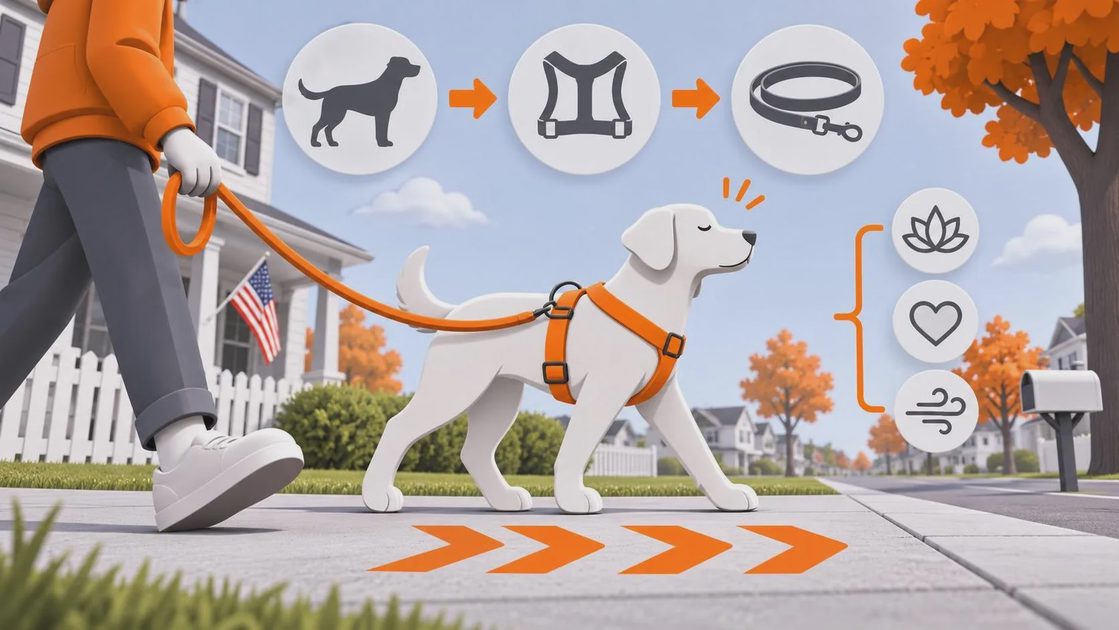
Equipment is only one piece. Put the harness on indoors and feed several small treats for calm behavior. Then practice taking one or two steps beside you. If the leash stays loose, reward immediately. If it tightens, stop moving or calmly turn before your dog gathers speed. Avoid jerking the leash; that can add frustration and does not explain the behavior you want.
Use rewards that matter to your particular dog. For one dog, soft treats are enough. Another may work harder for a sniffing break, a cheerful “find it” scatter in the grass, or permission to greet a familiar person. The reward should arrive quickly after the behavior you want, not several seconds later when your dog is already pulling again.
Keep the first outdoor practice shorter than your ambition. A five-minute session on a quiet street can teach more than a forty-minute march past buses, barking dogs, and every exciting smell in the neighborhood. Train the dog in front of you. If the environment is too difficult, create more distance, choose a quieter route, or return home while your dog can still think.
A useful routine is to begin with a few easy repetitions near your driveway or building. Walk three to five steps, reward a loose leash, and pause for a sniff. Repeat several times, then end while things are still going reasonably well. On the next outing, add a little distance rather than expecting the dog to maintain perfect manners for the entire walk.
If your dog surges toward another dog, do not use the harness to force a close encounter. Cross the street, step behind a parked car, or turn away early. A harness can help you manage distance, but it cannot make an overstimulated dog ready for a greeting. For dogs who bark, lunge, or panic on leash, a certified force-free trainer can help you build a safer plan.
Safety checks before choosing a no pull dog harness
Look closely at the neck design. A strap that rides up toward the throat may be uncomfortable, especially when a dog pulls hard. Check whether the chest piece stays centered and whether the legs can move freely. Walk the dog indoors for a few minutes and inspect for redness afterward. Stop using any design that causes rubbing, restricted movement, or escape risk.
Do not use a walking harness as a substitute for a properly secured car restraint unless the manufacturer specifically says it is designed and crash-tested for that purpose. Walking gear and vehicle safety gear have different jobs. Likewise, do not attach a leash to a decorative ring, loose handle, or part of the harness that is not intended for connection.
Measure before buying, and use the brand's chart rather than guessing from your dog's usual collar or clothing size. Measure the widest part of the rib cage and check the listed weight guidance if provided. Between sizes, the adjustment range and your dog's ability to back out matter more than the label. A professional at a local pet store may help with fitting, but still watch your dog move before committing.
What progress should look like
Early progress may be small: your dog checks in once instead of pulling continuously, recovers faster after seeing a rabbit, or can walk past one driveway without dragging you. Those moments are information about what your dog can handle. Build on them rather than testing the hardest possible route every day.
Expect uneven days. Heat, poor sleep, pain, hunger, neighborhood construction, and a missed nap can all lower a dog's ability to focus. If pulling suddenly changes or your dog seems painful, schedule a veterinary check instead of assuming the equipment is the whole problem.
My practical recommendation is to choose the safest comfortable fit you can find, introduce it with food, and practice in tiny pieces. Use the front connection for added management when appropriate, then keep teaching loose-leash walking so the dog is not dependent on tension forever. That was information, not failure, when a session falls apart. Progress has four paws and a messy middle.



Letters
No letters yet — be the first to write.