
If your dog turns every walk into a tug-of-war, you may be wondering whether a prong collar will solve the problem. I understand the temptation. When Pepper pulled toward squirrels, bicycles, and interesting smells, my shoulder hurt before we reached the end of the block. A prong collar can interrupt pulling, but interruption is not the same as teaching a dog what to do instead. For many households, there are safer and more useful ways to build loose-leash skills.
What a prong collar actually does
A prong collar is a chain or leather collar fitted with blunt metal links that press around a dog’s neck when the leash tightens. The pressure is distributed around the neck rather than concentrated at one point, but that does not make the tool harmless or automatically humane. A dog may stop pulling because the pressure is uncomfortable, startling, or painful. That visible change can look like training progress while the dog is still worried, excited, or confused.
This distinction matters. A dog that stops lunging at another dog might be suppressing the outward behavior without feeling calmer. Some dogs become quieter, while their stress shows up later through avoidance, frantic sniffing, barking at home, or a sudden reaction to the next trigger. A prong collar also cannot explain whether you want your dog to look at you, walk beside you, create distance, or simply pause.
Risk increases when the collar is jerked, left on during unsupervised time, fitted too low, or used with a retractable leash. Dogs with respiratory problems, neck injuries, fragile skin, or a history of fear deserve especially careful handling. If a walk includes repeated lunges or panic, a qualified reward-based trainer can help you identify the cause instead of escalating pressure.
Why pulling happens in the first place
Pulling is usually a practical behavior from the dog’s point of view. The leash tightens, the dog moves forward, and the exciting smell or person gets closer. In that moment, forward movement rewards the pulling. The dog is not trying to be disrespectful. The dog has discovered a pattern that works.
Excitement is only one possibility. A young dog may lack practice. A newly adopted dog may be overwhelmed by traffic and unfamiliar sidewalks. A herding mix may notice every moving object, while a hound may find the scent trail more important than your voice. Pain, poor sleep, hunger, and a too-long walk can also shrink a dog’s ability to make good choices.
Before reaching for a prong collar, write down what happens before the pulling. Does it begin near driveways, dogs, children, or the first patch of grass? How far away can your dog notice the trigger and still eat a treat? Those answers give you a training plan. If your dog cannot take food or respond to a familiar cue, the environment is too difficult for learning.
A calmer walking plan you can try today
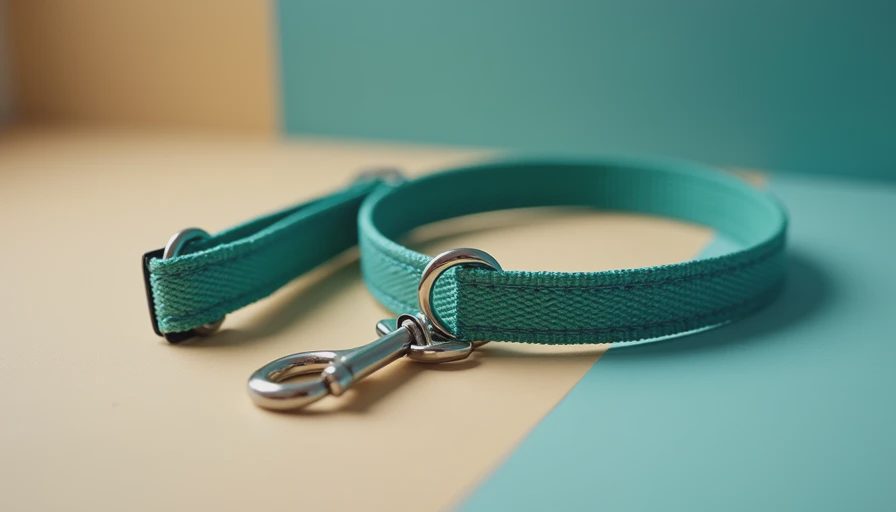
Start indoors with a regular flat collar or a well-fitted front-clip harness and a six-foot leash. Say your dog’s name, wait for a glance, and deliver a small treat beside your leg. Do this ten times without asking for a formal heel. The goal is to make checking in with you worthwhile.
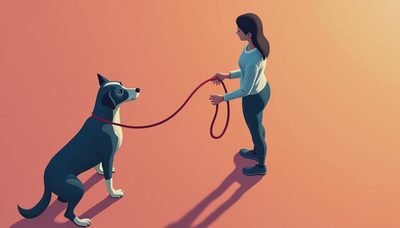
Next, practice three steps in a quiet hallway or driveway. When the leash stays loose, mark the moment with a friendly yes and offer food near your knee. If the leash tightens, stop moving. Do not yank back. Wait for even a small turn toward you, reward it, and begin again. This teaches that slack keeps the walk moving, while checking in helps the dog access good things.
Use a sniff break as another reward. After several calm steps, say go sniff and let your dog investigate a safe patch of grass. Sniffing is not a failure of obedience; it is a normal need that can make the rest of the walk easier. Five focused minutes of practice can be more productive than thirty minutes of constant correction.
A prong collar is not necessary for this lesson. Consistent reinforcement, manageable distances, and short sessions give your dog information without adding fear or discomfort. Progress may look like one quieter driveway today and half a block next week.

Choosing equipment for the dog in front of you
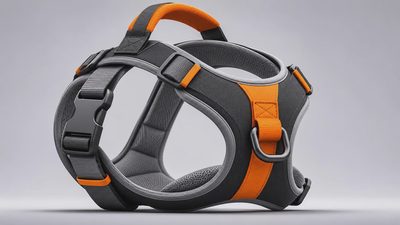
A front-clip harness can reduce the leverage a strong dog gets from pulling, although it is not a magic solution. Look for a fit that allows normal shoulder movement, does not rub behind the legs, and cannot be backed out of. A backup attachment connecting the harness to a flat collar can add security for dogs who are escape artists.
A standard flat collar is often appropriate for dogs who already walk comfortably and do not pull hard. For a dog with a sensitive neck, a properly fitted harness is usually a more sensible starting point than a prong collar. Head halters can help some dogs, but they require gradual conditioning and should never be snapped, dragged, or used with a long line.
Skip retractable leashes near traffic, crowded sidewalks, and reactive dogs. They provide less immediate control and can keep steady tension on the leash. Carry pea-sized treats in a pouch, wear shoes that let you turn easily, and choose routes with room to create distance. Equipment supports training; it does not replace it.
When professional help is the smart next step
Get help if your dog is biting the leash, redirecting onto your hands, panicking, or lunging hard enough to injure you. A certified trainer who uses reward-based methods can observe the setup and adjust distance, timing, and equipment. For severe fear or aggression, ask your veterinarian about a behavior referral. Medical discomfort and anxiety can make leash work much harder.
Be cautious with anyone who promises a fixed dog in one session or insists every problem comes from dominance. Ask what happens when the dog is frightened, what tools are used, and how the plan teaches replacement behaviors. If the answer depends mainly on corrections, a prong collar, or forcing the dog closer to triggers, keep looking.
You can also record a short walk from a safe distance and note the exact moment your dog changes. That information helps a professional more than a label such as stubborn or bad. It also helps you see patterns that are easy to miss while managing a leash.
A realistic week of practice
On Monday, reward name responses indoors. On Tuesday, practice loose leash steps in the driveway. On Wednesday, walk to the quietest nearby corner and return before your dog becomes overwhelmed. On Thursday, repeat the same route and add sniff breaks. On Friday, practice turning away from a mild distraction. Use the weekend for rest, enrichment, and one short success rather than a marathon walk.
If you already bought a prong collar, do not panic or shame yourself. Put it aside while you assess your dog’s needs and learn safer options. That was information, not failure. Train the dog in front of you, measure progress in small choices, and remember that a calmer walk is built through repetition. Progress has four paws and a messy middle.


Letters
No letters yet — be the first to write.