
If you have ever settled onto the couch after a long day only to find your dog enthusiastically cleaning your toes, you have probably wondered, why does my dog lick my feet? The short answer is that foot licking can be social, interesting, soothing, or simply rewarding. Dogs investigate the world with their mouths, and your feet offer a powerful mix of scent, salt, warmth, and access to their favorite person.
Usually, this behavior is not a sign that your dog is being strange or spiteful. It is information about what your dog finds appealing in that moment. Pepper, my cattle-dog mix, once became fascinated with my feet after a summer walk. I initially assumed something was wrong. Then I noticed I had been barefoot, sweaty, and handing out treats while sitting on the floor. Her conclusion was perfectly logical: feet led to interesting smells and good things.
Why dogs find feet so interesting
Dogs have an extraordinary sense of smell, and your feet carry a detailed record of where you have been. Socks, shoes, grass, pavement, laundry detergent, and natural body scent all create a fascinating little story. Sweat also contains salt, which some dogs enjoy tasting. That does not mean your dog has a nutritional deficiency; it usually means the behavior is rewarding enough to repeat.
Licking can also be a friendly social behavior. Puppies lick around an adult dog’s face as part of early communication, and many adult dogs continue using licking to seek attention or show affiliation. Your dog may have learned that licking your feet makes you laugh, talk, pet them, or look down. Even a gentle “stop that” can function as attention, especially for a dog who is bored.
Your position matters, too. When you sit on the floor or stretch out in bed, your feet are close, still, and easy to reach. A dog who wants contact may choose foot licking because it works better than nudging your elbow. In that context, why does my dog lick my feet is less a mystery than a question about communication: your dog has discovered a reliable way to start an interaction.

When foot licking becomes a comfort habit
Some dogs lick people when they are trying to settle themselves. Repetitive licking may feel calming, much like chewing a toy or sniffing a blanket. You might see it after visitors leave, during a thunderstorm, when the household routine changes, or late at night when your dog is tired but unable to relax. The licking is not automatically anxiety, but the surrounding body language matters.
Look for loose muscles, soft eyes, normal breathing, and an easy pause when you move your feet. Those signs suggest casual interest. More concerning signs include frantic licking, pacing, panting unrelated to heat, hiding, trembling, or an inability to disengage. If your dog suddenly starts licking your feet for long stretches, also watch for changes in appetite, sleep, drinking, digestion, or skin comfort.
This is where the question why does my dog lick my feet deserves a broader answer. The behavior itself may be harmless, while the change in frequency tells you that something in the environment or your dog’s body has changed. A new schedule, less exercise, household stress, itchy skin, nausea, pain, or medication can alter behavior. Do not diagnose from one habit, but do take a sudden pattern seriously.
Should you let your dog lick your feet?
For many healthy households, occasional foot licking is harmless. Still, there are practical reasons to set boundaries. Do not allow licking on broken skin, surgical wounds, rashes, or areas treated with lotion, medication, essential oils, or other products. Some topical products can upset a dog’s stomach, and a dog’s mouth is not a substitute for cleaning a wound.
It is also reasonable to say no if you dislike the sensation. Your dog does not need unlimited access to every part of you to feel loved. A calm boundary is not rejection. Move your feet away without turning the moment into a wrestling match, then offer another behavior that earns attention.
If licking is accompanied by aggression when interrupted, obsessive repetition, or signs of illness, contact your veterinarian. A veterinary visit is especially sensible when the habit appears suddenly or comes with vomiting, diarrhea, excessive thirst, skin irritation, or unusual fatigue. A qualified reward-based trainer can help with the routine after medical concerns have been addressed.
How to redirect foot licking without a battle
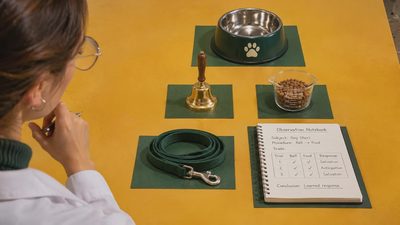
Start by noticing the setup. Does licking happen after exercise, when you are watching television, or when your dog wants dinner? Write down the time, location, and what happens afterward for two or three days. That small notebook experiment often reveals whether the reward is attention, salt, closeness, boredom relief, or a predictable transition in the day.
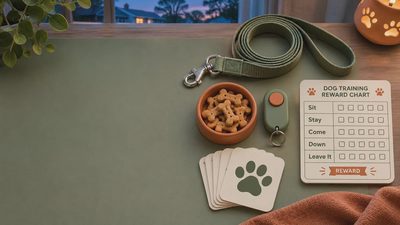
When your dog approaches your feet, quietly move them out of reach and present a stuffed rubber toy, lick mat, chew, or scatter of kibble. The replacement should be easy to start and appropriate for your dog’s size and chewing style. As soon as your dog chooses the alternative, offer calm praise. The lesson is not “feet are bad”; it is “this nearby choice pays better.”
You can also teach a simple station behavior. Place a bed a few feet from the couch, toss a treat onto it, and reward your dog for staying there briefly. Begin with five to ten seconds, then build gradually. If your dog leaves, guide the next repetition rather than scolding. Train the dog in front of you, not the imaginary perfect dog from a video.

A realistic evening example
Imagine that your dog starts licking your feet every night when you remove your shoes. First, wash your feet and put on clean socks if sweat or outdoor scent seems to be the attraction. Then prepare a chew before you sit down. When licking begins, stand up, block access with your leg, and place the chew on the dog’s bed. Reward the dog for settling there, even if the first successful stretch lasts only twenty seconds.
Repeat that sequence for several evenings. You may see more persistence at first because the old strategy used to work. That does not mean your dog is being defiant. It means the behavior has a history, and the new routine needs enough repetitions to become familiar. If the chew is ignored, try a food puzzle, a sniffing game, or a short decompression walk before television time.
The goal is not perfect silence every night. A successful evening might mean your dog licks for ten seconds instead of two minutes, accepts a toy, and returns to the bed twice. That was information, not failure. Adjust the setup and make the desired behavior easier.
The simple answer for your household
So, why does my dog lick my feet? Most often, your dog is responding to appealing scent and salt, seeking contact, enjoying your attention, or using a repetitive action to relax. The best response depends on the pattern around the licking, not on the behavior’s oddness.
If you are comfortable with occasional licking and your skin is healthy, you can simply allow a brief interaction and then invite your dog to settle. If you want it to stop, use quiet redirection, a rewarding alternative, and a predictable routine. Avoid yelling, pushing, or dominance-based corrections; those approaches can add stress without teaching your dog what to do instead.
Start tonight with one small experiment: prepare a chew or food toy before you sit down, reward your dog for choosing it, and note what happened beforehand. If the licking is sudden, frantic, or paired with other physical changes, call your veterinarian. Progress has four paws and a messy middle, and understanding why does my dog lick my feet is a useful first step toward a calmer habit.

Letters
No letters yet — be the first to write.