Formal recall training can start to feel like drills. The dog checks out, you get repetitive, and the cue loses its spark.
One of the most useful things I did with both Pepper and Milo was turn early recall practice into a simple game. The structure stayed clear, but the feeling became lighter. The dogs stayed engaged longer, and I got more clean repetitions without the session turning into a chore.
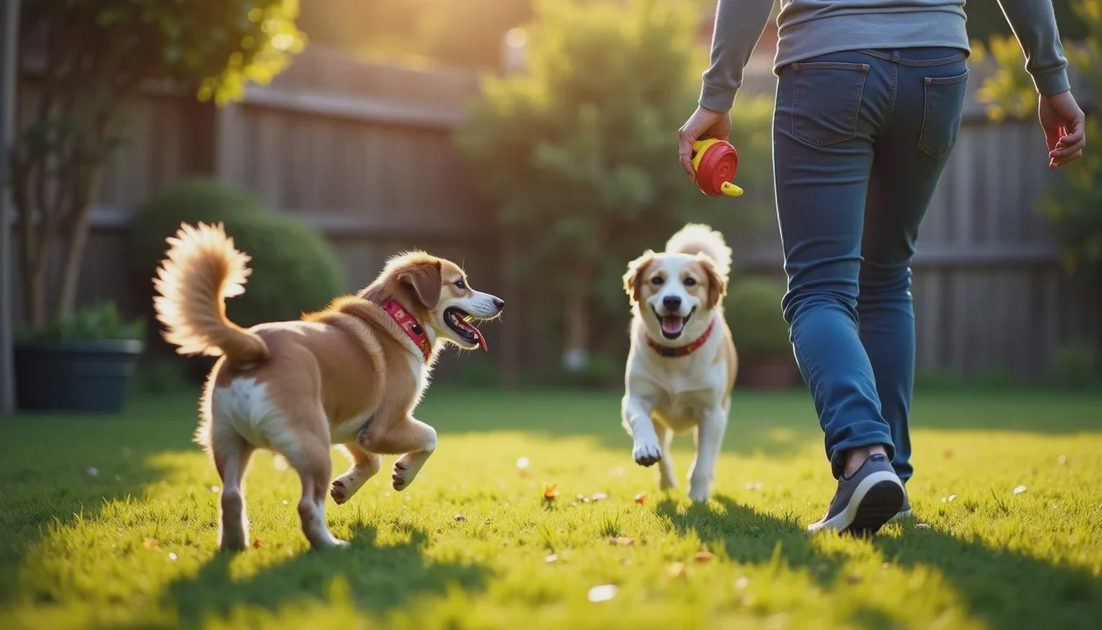
This game is designed for backyards, quiet parks, or any enclosed low-distraction space. It is not yet proof against squirrels, other dogs, or high-distraction environments. It is the foundation that makes later proofing possible.
Why a Game Format Helps
Games create several advantages that formal drills often lack:
Higher engagement from the dog
Natural repetition without the dog feeling drilled
Built-in opportunities to reinforce coming fast and happy
A way to end on success before the dog fatigues
A more positive emotional association with the recall cue
When the early stages of recall feel like a game the dog wants to play, you get better quality practice and a cue that predicts good things instead of “the fun is over.”
The Basic Recall Game
Setup
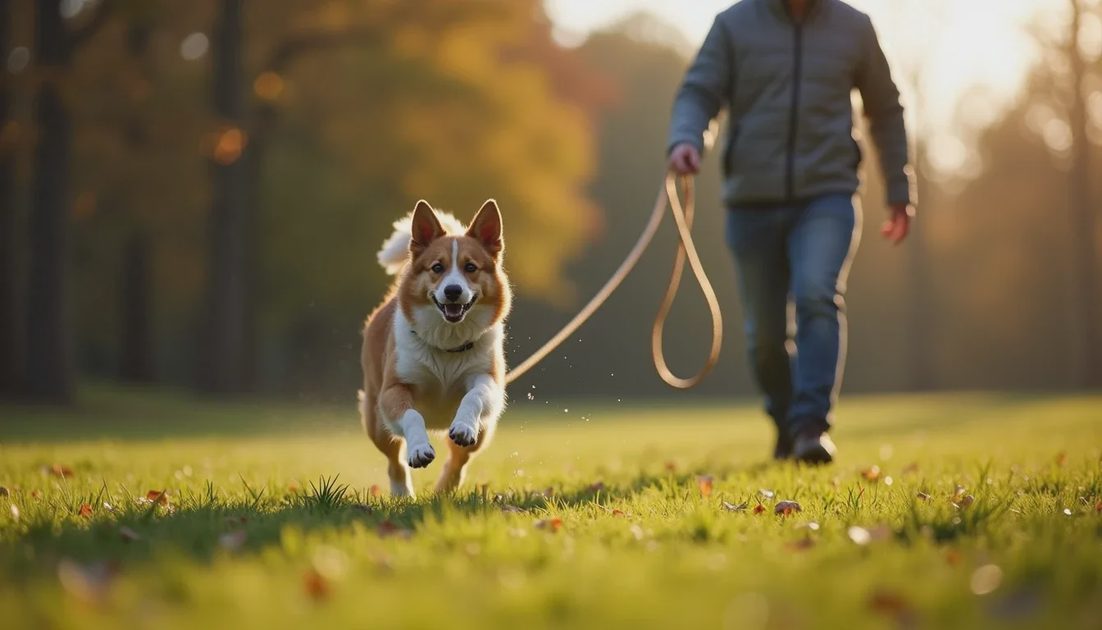
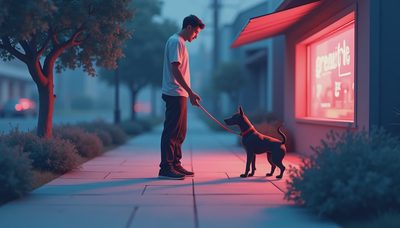
Use a long line if the space is not fully enclosed or if the dog is still unreliable.
Have high-value rewards ready (food or a favorite toy).
Start at short distances where the dog is likely to succeed.
How to play
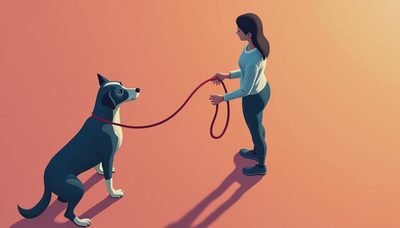
Let the dog move a short distance away or gently move away from the dog yourself.
Call the dog once in a happy tone with your chosen recall cue.
When the dog comes, mark and reward generously. Make the arrival worth it—several treats in a row, or a short burst of play.
Occasionally, after rewarding, release the dog back out to continue exploring or sniffing. This teaches that coming to you does not always end the fun.
Repeat for a handful of successful reps, then quit while the dog is still interested.
The key is to keep the sessions short and successful. Three to six clean recalls are often enough for one round of the game.
Variations That Keep It Interesting
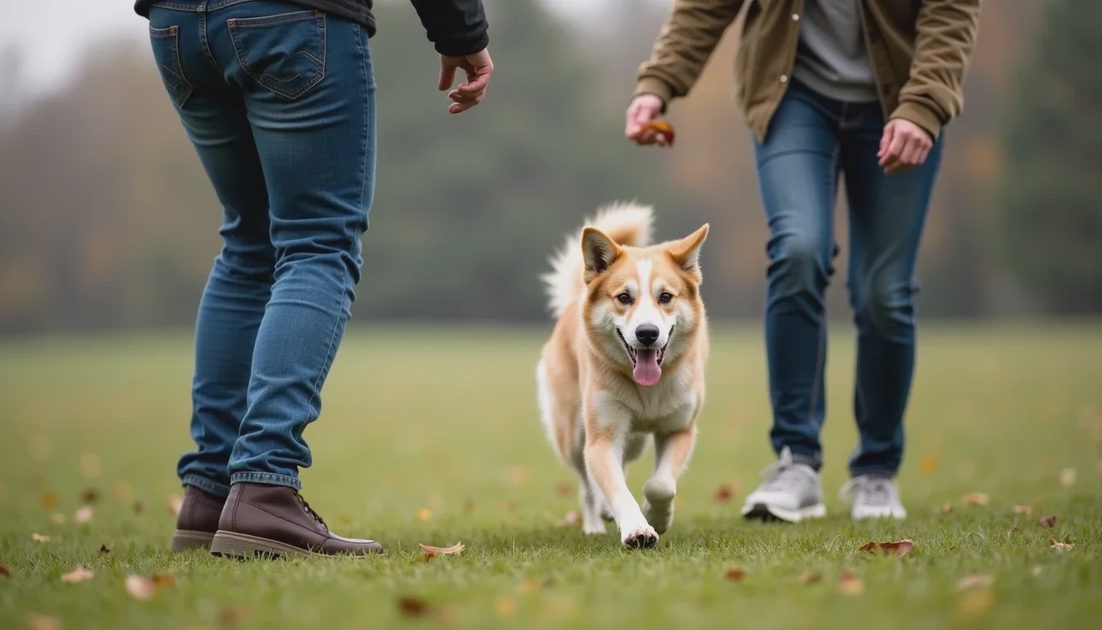
Round-robin with two people
Two handlers stand a moderate distance apart and take turns calling the dog. The dog gets paid at each person. This builds speed and keeps the dog moving. It is especially useful for dogs who tend to slow down or get distracted halfway.
Hand-touch on arrival
Ask for a quick nose or paw touch when the dog reaches you before delivering the reward. This adds a clear terminal behavior and helps the dog finish the recall cleanly instead of rushing past you.
“Find it” after the recall
Sometimes scatter a few treats on the ground after the dog comes. The recall becomes the ticket to another scavenging opportunity. This is particularly effective for dogs who love to use their nose.
Increasing distance gradually
Only lengthen the distance when the dog is responding promptly at the current range. Jumping ahead too quickly is one of the fastest ways to lose the clean response you have been building.
Rules That Protect the Cue
Call only once. If the dog does not come, gently guide in with the long line or go collect the dog without repeating the cue. Repeating the cue teaches the dog that the first (or second) call is optional.
Do not call the dog for things they dislike right after a training game (nail trims, ending all outdoor time, etc.). Protect the positive association.
Stop the game before the dog starts responding more slowly. End on a high note while the dog is still eager.
Keep the reward value high enough to compete with the environment you are working in. A backyard still contains interesting smells and sights.
How to Use This in Real Life
Play the game several times a week in easy locations. Once the dog is responding promptly and happily at short to moderate distances, you can begin to introduce mild distractions or slightly more interesting environments—still on a long line, still paying well.
The game does not replace proofing against hard distractions. It builds the enthusiastic response you will later need when the distractions get harder. Think of it as installing the foundation before you ask the structure to hold weight.
Many people skip this stage and jump straight to calling the dog in distracting environments. The result is often a cue that the dog has learned to ignore. Building the game first gives you something solid to proof later.
Common Pitfalls to Avoid
Turning the game into long, repetitive drills that drain the dog’s enthusiasm
Calling the dog only when you need them to come (and therefore when something more interesting is usually happening)
Using low-value rewards that cannot compete even with mild backyard distractions
Increasing distance or distraction too quickly
Ending sessions only after the dog has already started to disengage
Each of these slows progress and weakens the emotional quality of the recall. Short, successful, high-value games build the opposite pattern.
Final Thought
Recall does not have to feel like a test the dog is constantly in danger of failing. When you turn the early stages into a game the dog wants to play, you get more practice, better emotion, and a cue that predicts good things.
Start small, pay well, quit while it’s still fun. That pattern will carry further than formal drills alone ever did for us. Progress has four paws and a messy middle. The messy middle of recall training is full of short, playful sessions that quietly build the response you will need when it matters most.
Letters
No letters yet — be the first to write.