
Finding a dog harness no pull option can feel like shopping for a tiny piece of engineering while your dog is dragging you toward a squirrel. I have stood in a driveway holding a leash, a treat pouch, and very little confidence while Pepper rehearsed her best cattle-dog impression. The right equipment can make walks safer and easier, but it is not a magic button. A harness changes how pressure is distributed; training teaches your dog what to do with all that excitement.
That distinction matters. If your dog pulls because the sidewalk is thrilling, a new harness will not erase the smells, bicycles, barking dogs, and dropped snacks waiting outside. It can give you better steering and reduce pressure on the neck while you build a calmer routine. Think of it as helpful equipment, not a promise of instant obedience.
What a no-pull harness actually does
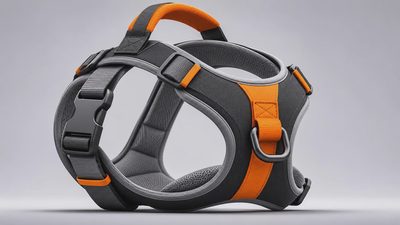
Most no-pull designs use a front leash attachment, a strap arrangement that changes how the dog’s body turns when tension begins, or both. With a back clip, a determined dog can often lean into the leash like a tiny sled dog. A front clip can make that forward drive less efficient by gently guiding the chest sideways. Some products have both front and back rings, which lets you choose based on the walk and your dog’s behavior.
A dog harness no pull setup should never work by causing pain. Skip products with sharp edges, tightening action around the chest, or straps that press into the armpits. The goal is not to punish forward movement. The goal is to make pulling less rewarding while you reinforce a loose leash with food, praise, sniffing time, or the chance to move forward.
Fit is more important than a clever label. You should be able to slide two fingers under the straps, but the harness should not rotate dramatically when your dog walks. Check the chest, shoulder, and behind-the-leg areas after five minutes of movement. Red marks, rubbing, or a shortened stride mean the design or size needs reconsideration.
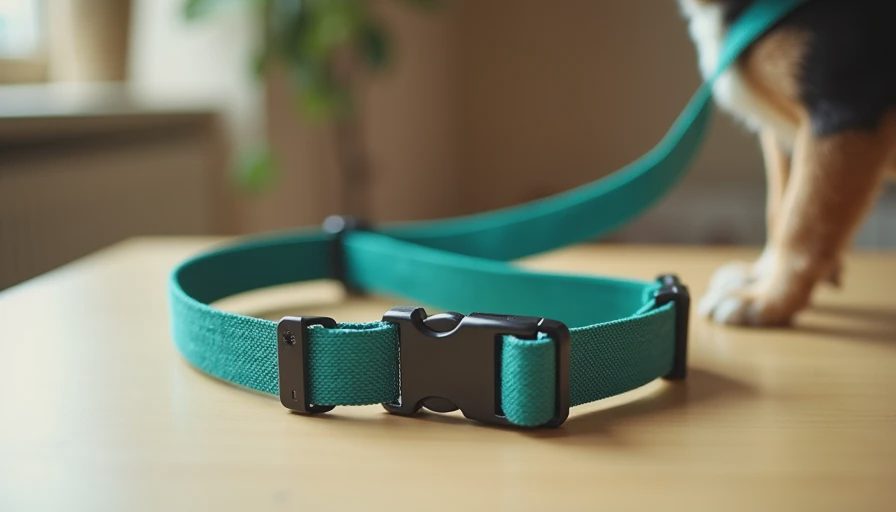
Choosing the right design for your dog
For a small dog, look for lightweight webbing and hardware that does not overwhelm the chest. A heavy metal ring can turn a comfortable walk into an awkward workout. For a broad-chested dog, such as a Boxer or a mixed breed with a deep rib cage, measure carefully around the widest part of the chest rather than choosing by weight alone. Slim, long-bodied dogs may need a more adjustable design to prevent backing out.
A dog harness no pull with front and back clips can be useful for a strong adolescent or a dog who is still learning. A double-ended leash allows gentle guidance from both points, but it also creates more gear to manage. Begin indoors, reward your dog for standing calmly while you put it on, and inspect every buckle before going outside. Brands such as Ruffwear, 2 Hounds Design, PetSafe, and Kurgo offer different styles, but no brand fits every body shape.
Escape risk deserves special attention. If your dog can reverse out of the harness when startled, the equipment is not ready for a busy street. Practice in a quiet room, then a fenced area, then a calm sidewalk. A martingale-style safety strap used with an appropriate harness can add security for some dogs, but ask a qualified trainer for help if escape behavior is frequent or panicked.
Pair the harness with a simple walking plan
Put the equipment on several minutes before the walk and reward quiet behavior. If your dog spins, bites the straps, or launches toward the door, pause rather than wrestling through the routine. Wait for a breath, a glance, or four paws on the floor. That small moment is the behavior you want to grow.
Outside, start where your dog can still eat treats and notice you. This may be the driveway, apartment hallway, or the quietest corner of your block. Say your dog’s name, reward eye contact, and take two or three steps. If the leash stays loose, offer another treat or let your dog sniff. Sniffing is not a failure of the walk; it can be a powerful reward.
When the leash tightens, stop moving. Do not yank backward or repeat the cue louder and louder. Wait for slack, guide your dog back with a cheerful sound, then continue. With a dog harness no pull design, this pause often becomes easier to manage because your dog cannot lean as effectively into the pressure. Still, the learning comes from the repeated pattern: loose leash makes good things happen.
Common mistakes that make pulling worse
One common mistake is testing new equipment on the longest, busiest walk of the week. If your dog has been home all day and immediately encounters children, scooters, and another dog, the situation may be too difficult for training. Start with five to ten quiet minutes and finish while your dog can still think. Short walks are not cheating; they are useful practice sessions.
Another mistake is allowing pulling sometimes and stopping it other times. Real life is messy, and nobody has perfect timing, but make the important rules predictable. If pulling always produces forward motion, your dog has a strong reason to keep trying. You can occasionally release your dog to sniff or greet when appropriate, but make that access happen after a loose-leash moment.
Do not assume a front clip solves lunging, fear, or frustration. A dog who reacts intensely to other dogs needs distance, management, and gradual reward-based behavior work. For safety, get help from a certified professional trainer or veterinary behaviorist when you see snapping, redirected biting, panic, or repeated escape attempts.
A realistic two-week practice routine
For the first three days, practice putting the harness on indoors and reward stillness. Walk from one room to another with a loose leash, then remove the equipment. Keep each session under five minutes. From days four through seven, practice near your home for five to ten minutes, choosing a quiet time. Reward frequently enough that your dog understands the job before distractions become overwhelming.
During the second week, add one challenge at a time. You might walk past a driveway, cross a slightly busier street, or practice seeing a calm dog from a distance. If your dog stops taking food, stares hard, vocalizes, or pulls continuously, increase distance and lower the difficulty. That was information, not failure. Train the dog in front of you, not the imaginary calm dog you hoped would appear on Monday.
Keep a quick note after each walk: location, length, biggest trigger, and what helped. You may notice that your dog walks better after a short play session, before dinner, or on a familiar route. These observations are more useful than judging one rough outing. Progress has four paws and a messy middle.
Is a dog harness no pull worth buying?
For many everyday owners, yes, especially when neck pressure, slipping collars, or poor steering makes walks stressful. Expect to spend roughly $25 to $70 for a well-built option, with premium outdoor models costing more. The most expensive design is not automatically the best choice. A comfortable, secure fit that your dog accepts is more valuable than a fashionable label.
Use a dog harness no pull as part of a larger plan that includes short practice sessions, rewards, distance from overwhelming triggers, and consistent household rules. Measure before ordering, examine the fit after movement, and introduce it gradually. If the harness creates rubbing or changes your dog’s gait, stop using it and try another shape.
Today’s small action is simple: put the harness on indoors, offer three treats for calm standing, and take it off before your dog becomes frustrated. Tomorrow, repeat it and walk a few steps inside. A calmer neighborhood walk is built from those unglamorous repetitions, not from one perfect product or one heroic outing.


Letters
No letters yet — be the first to write.