
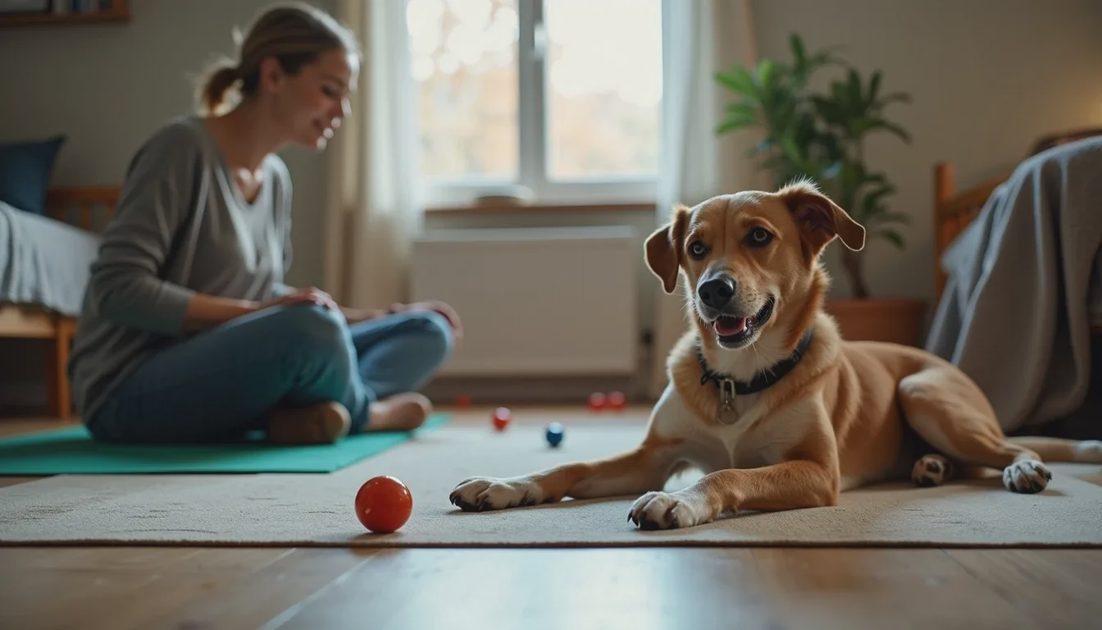
One of the most useful skills I had to learn was not how to start a training session—it was how to stop one.
I used to keep going until the dog “got it” or until I felt we had done enough. The result was often a dog who started strong and then became slower, more distracted, or frustrated. I was accidentally practicing the decline instead of protecting the success.
Knowing when to stop is as important as knowing what to teach. A session that ends cleanly leaves the dog with a clear, reinforced understanding and a good feeling about working with you. A session that drags on past the point of success often leaves both of you a little more tired and a little less willing next time.
Why Ending Well Matters
Every training session leaves a memory of how it felt. If the last several repetitions were confused, failed, or tense, that is part of what the dog carries forward. If the session ends on clean, successful reps while the dog is still engaged, the overall association stays better.
Short, successful sessions almost always beat long sessions that trail off into diminishing returns. The dog learns that training predicts clear information and good outcomes. The trainer stays more accurate because fatigue and frustration have not yet clouded timing and judgment.
Clear Signs It Is Time to Stop
Watch for these indicators that the dog (or you) has reached a good stopping point:
The dog’s responses are becoming slower or less precise
The dog starts offering random behaviors or disengaging
The dog stops taking food or takes it more roughly
You hear yourself repeating cues or feeling urgency
The dog has already given several good repetitions of the current criterion
Your own focus is drifting or you feel yourself pushing harder
Any one of these is a valid reason to end on the next successful rep rather than push for more. The goal is not to exhaust the dog’s capacity. The goal is to leave the dog with a clear picture of the current piece and a positive association with the work.
A Simple Ending Routine
When I decide to stop, I do three things:
Ask for one easy, known behavior the dog can succeed at immediately.
Reward it well.
Clearly release the dog (“free,” “all done,” or simply end the session and move on).
This leaves the dog with a final success and a clear signal that the work is finished. The release is important. Without it, the dog may continue offering behaviors or remain in a working state longer than necessary.
How Many Repetitions Are Enough?
There is no universal number. For most everyday skills I aim for:
A handful of clean successes at the current difficulty
Stopping before the dog’s performance drops
Preferring multiple short sessions over one long one
Three to eight good repetitions is often plenty for a single short session, depending on the difficulty and the dog. Early in teaching a new behavior, even fewer clean reps can be enough. The quality of the information matters more than the quantity of repetitions.
What to Do If the Session Has Already Gone Sideways
If you notice the decline only after several failed reps:
Lower the criterion dramatically and get one or two easy successes.
End there.
Make a mental (or written) note of what became too hard so the next session can start easier.
There is no requirement to “fix it” in the same session. Protecting the dog’s willingness to try again tomorrow is more valuable than forcing a recovery today. A clean exit after a rough patch is still a form of success.
Building the Habit of Stopping Early
This feels unnatural at first, especially if you are used to working until something is “finished.” A helpful reframe is:
The goal of most sessions is not to exhaust the dog’s capacity.
The goal is to leave the dog with a clear, reinforced understanding of the current piece and a good feeling about working with you.
When in doubt, stop sooner than you think you need to. You can always do another short session later. You cannot undo the frustration of a session that went on too long.
Why This Matters for Long-Term Progress
Dogs (and people) learn best when the overall experience of training stays positive and clear. Sessions that consistently end on success build a dog who is more willing to engage next time. Sessions that frequently end in confusion or fatigue slowly erode that willingness.
Stopping well is not about being soft. It is about being accurate. It protects the quality of the practice and the relationship that makes future practice possible.

A Practical Way to Practice This Skill
For the next week, set a soft upper limit on session length before you begin—three to five minutes is a good starting point for most everyday skills. Watch the dog’s responses more closely than the clock. When you see the first signs of decline, use the ending routine and stop.
You will likely notice that the dog stays more engaged across the week and that your own frustration drops. The sessions feel cleaner because they are no longer being stretched past the point of usefulness.
Final Thought
Training is a conversation. Ending the conversation while both sides are still successful keeps the dog willing to come back to it. The messy middle includes a lot of short, imperfect sessions that add up. Knowing when to put the treats away is one of the cleanest ways to protect that progress.
Progress has four paws and a messy middle. Sometimes the most useful thing you can do is stop while it is still going well.

Letters
No letters yet — be the first to write.