
Dog nail trimming sounds simple until your dog sees the clippers, turns into a furry tornado, and somehow ends up behind the couch. If that scene feels familiar, you are not failing. Many dogs dislike having their feet handled, especially if a previous trim was rushed or uncomfortable. The goal is not to force a perfect pedicure today. The goal is to build enough trust that your dog can participate in small steps.
I learned this the hard way with Pepper. I thought holding a paw firmly would make the job faster. Instead, she pulled away, I became tense, and both of us decided the other was acting suspiciously. Dog nail trimming improved when I stopped treating it as a single chore and started treating it as a training routine.
Why nail care matters
Overgrown nails can change how a dog places weight on the toes. Long nails may catch on carpet, scratch people, click loudly on hard floors, or make walking uncomfortable. They can also curl toward the paw pad in advanced cases. Active dogs sometimes wear down their nails naturally on sidewalks and trails, but many still need occasional maintenance, especially on the dewclaws, which often do not contact the ground.
You do not need to chase a particular number of days between trims. Some dogs need attention every two to four weeks, while others go longer. Look at the nails and listen to the footfalls. If nails touch the floor when your dog stands, or you hear constant clicking during a walk, it is worth checking them. A veterinarian or experienced groomer can show you what healthy length looks like for your dog’s feet.
A quiet routine also gives you a chance to notice cracked nails, swelling, redness, or a sore toe. Those issues deserve professional advice rather than a determined session with clippers.
Choose tools that make the job easier
For small and medium dogs, scissor-style clippers with sharp, correctly sized blades are usually practical. Guillotine clippers can work, but a dull blade can crush instead of cleanly cutting. A rotary grinder, such as a Dremel-style pet nail tool, can create a smooth edge and remove tiny amounts at a time. The noise and vibration bother some dogs, so introduce it gradually rather than turning it on beside an unsuspecting paw.
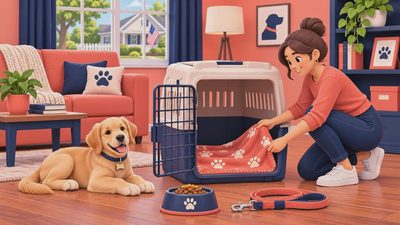
Keep styptic powder nearby in case you nick the quick. Cornstarch can be a temporary household backup, but styptic powder is designed for minor bleeding. Also prepare pea-sized treats, a non-slip mat, and bright lighting. If your dog has dark nails, a flashlight may help you see the quick, but it is not a guarantee. Remove only the sharp tip at first. Conservative cuts are much easier emotionally than one painful mistake.
Set the equipment on the floor and reward your dog for looking at it. Then reward a nose touch, a relaxed paw near the tool, and eventually contact between the tool and nail. This may take one afternoon or several weeks. Train the dog in front of you, not the imaginary dog who sits perfectly for every online tutorial.
A step-by-step dog nail trimming plan
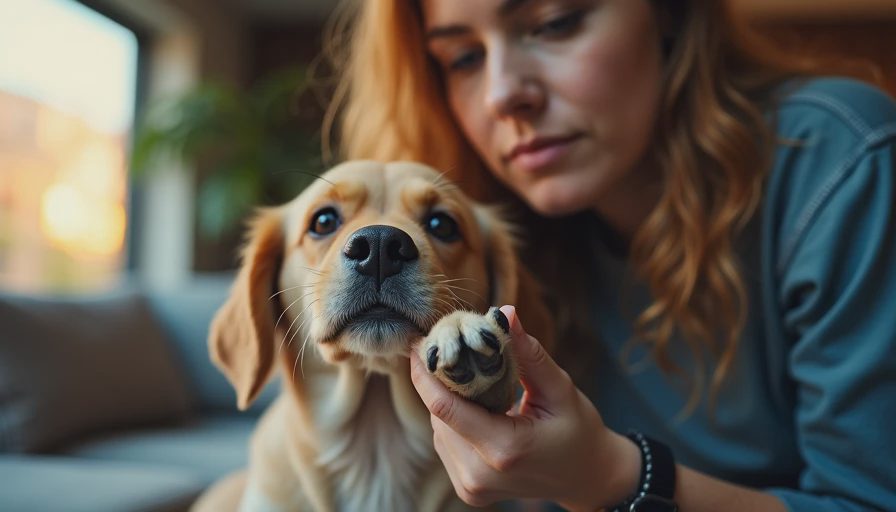
Start when your dog is already somewhat settled, perhaps after a sniff-heavy walk rather than after a wild game of fetch. Sit beside your dog instead of leaning over from above. Touch a shoulder, slide your hand down the leg, briefly touch the paw, and offer a treat. Release the paw before your dog struggles. That release teaches your dog that cooperation makes the pressure end.
When paw handling is comfortable, show the clippers and reward calm behavior. Touch the clippers to one nail without cutting. On another session, make one tiny cut from a single nail and stop. One nail is a successful appointment. If your dog stays relaxed, you can try a second nail, but stopping early is often what makes the next session easier.
For each nail, identify the quick before cutting. In light nails, it usually appears as a pink area inside the nail. In dark nails, take thin slices from the end and look for a small dark center or a change in texture. Do not twist the paw or hold it tightly. Keep your wrist relaxed, breathe normally, and give treats after each small step.
What to do when your dog pulls away
Pulling away is information, not defiance. Your dog may be worried about the tool, the position, the pressure, or the memory of a prior trim. Pause and lower the difficulty. You might return to touching the leg, feeding a treat, and releasing the paw. If your dog is panting, freezing, growling, snapping, or repeatedly trying to escape, end the session safely. Continuing can teach the dog that bigger reactions are the only way to make the handling stop.
A lick mat with a small amount of wet food can help some dogs stay engaged, but it should not be used to distract a dog through obvious panic. Food is most useful when the dog can still eat, think, and move normally. Try a different position too. Some dogs relax on a mat, while others prefer standing with one paw briefly lifted.
This is where dog nail trimming often becomes a household project instead of a one-person battle. One adult can deliver treats while another handles the tool, but only if both people can stay calm and stop on cue.

When a groomer or veterinarian should help
A professional groomer is a sensible choice when your schedule is tight, your dog needs regular maintenance, or you do not feel steady with the tools. Tell the groomer exactly what your dog has tolerated before. Ask for a slow introduction rather than presenting the appointment as a surprise test of manners. A good professional will explain what they can safely complete and what may need more time.
Contact your veterinarian if a nail is split, bleeding heavily, infected, embedded in the pad, or causing limping. Veterinary help is also appropriate when handling triggers intense fear or aggression. Some dogs need a coordinated plan involving behavior work and medical support. That is not a shortcut or a failure; it is a safer path for the dog and the people involved.
Do not give a human sedative or leftover prescription to make dog nail trimming easier. Medication decisions belong with a veterinarian because dose, health history, and drug interactions matter.
A realistic maintenance routine
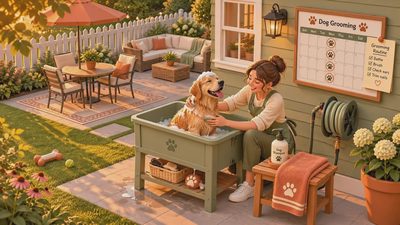
Put the tools beside something you already do, such as refilling the water bowl on Sunday. Once a week, inspect every paw without cutting. Touch one or two nails, reward, and stop. That small check keeps nail care familiar and helps you catch problems early. On a trimming day, aim for one to three nails if that is what your dog can manage. Write down which paw you handled so you do not accidentally repeat the hardest foot every time.
If you nick the quick, stay calm. Apply styptic powder with gentle pressure and give your dog space. Most minor bleeding stops quickly, but ongoing bleeding, significant pain, or a damaged nail calls for veterinary advice. Next time, shorten the plan: better lighting, smaller cuts, more breaks, or professional support.
Dog nail trimming does not need to look polished to be useful. A calm touch, one careful cut, and a treat can be the entire win. That was information, not failure. Progress has four paws and a messy middle.


Letters
No letters yet — be the first to write.