
Learning how to train a dog at home can feel overwhelming when your dog is barking at the window, dragging you toward a squirrel, or jumping on guests with all four paws moving at once. The good news is that you do not need a private field, expensive equipment, or a perfectly behaved dog to begin. You need short sessions, clear communication, and a willingness to notice small improvements.
Training is not about proving that you are in charge. It is about teaching your dog which behaviors work in your shared life. A dog who sits instead of jumping gets attention. A dog who looks at you on a walk gets a treat and the chance to keep moving. These tiny lessons add up, although progress rarely looks perfectly neat.
How to train a dog at home starts with the right setup
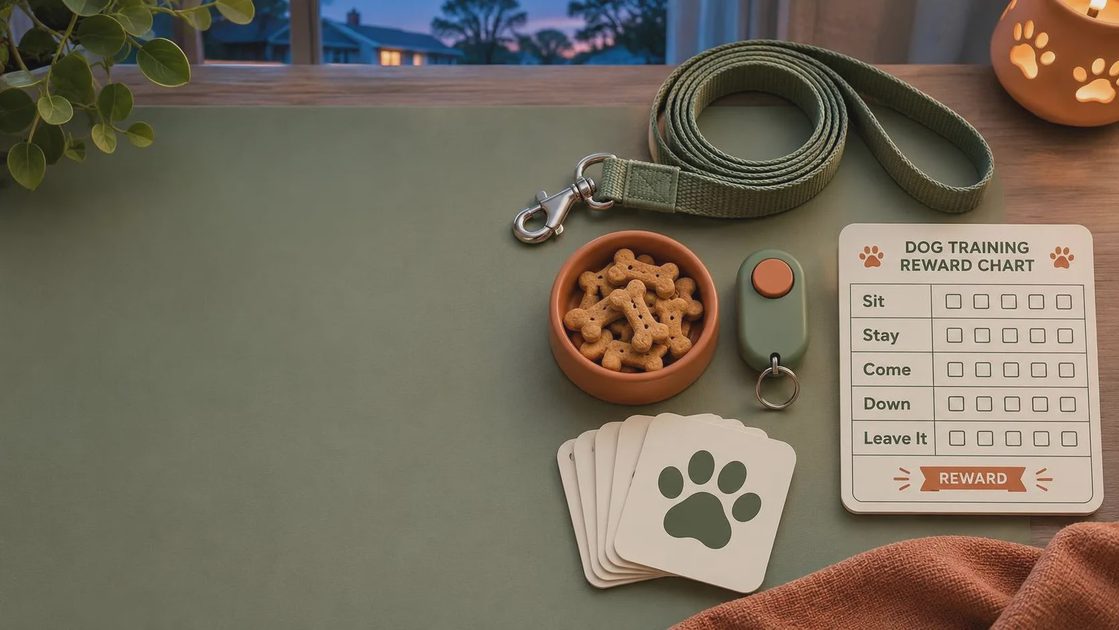
Choose a quiet area with enough room for your dog to move without distractions. A kitchen, hallway, or living room can work. Put small treats in a container nearby, but keep them out of reach when you are not training. Soft treats that can be eaten quickly are usually more useful than large biscuits that interrupt the session.
Start with sessions lasting two to five minutes. That may sound too short, but many dogs learn better from several brief practices than from one exhausting lesson. Train after your dog has had a bathroom break and a little movement, not when they are bursting with energy or ready for a nap. End while things are still going well.
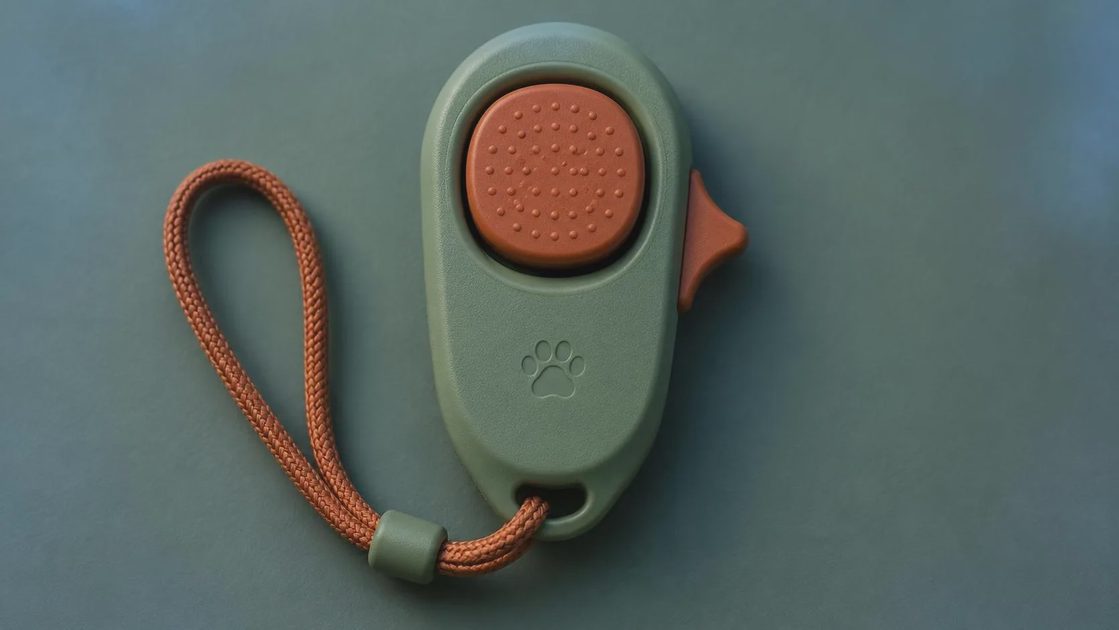
Use a marker word such as “yes” or a clicker to identify the exact moment your dog does what you want. Say the marker, then deliver the treat. At first, the marker should predict something good every time. Your timing matters more than having a fancy training plan. If your dog offers a behavior by accident, mark it and reward it before asking for more.
Teach useful basics through everyday moments
When figuring out how to train a dog at home, begin with behaviors that make daily life easier. “Name” is a good first lesson. Say your dog’s name once in a cheerful voice. When they turn toward you, mark and reward. Practice from a few feet away, then gradually add mild distractions. Avoid repeating the name several times, because a name that becomes background noise loses some of its usefulness.
For sit, hold a treat near your dog’s nose and slowly move it upward and slightly back. When their bottom touches the floor, mark and reward. Do not push their hips down. Once the movement is familiar, say “sit” just before the gesture. The same pattern works for down, although some dogs find lying down difficult on slick floors or when they are uncomfortable.
Teach “leave it” with an easy progression. Place a boring object in your closed hand. When your dog stops investigating, mark and reward from your other hand. Later, practice with the object on the floor while your foot protects it. This is not a test of willpower; it is a way to teach your dog that disengaging from something can produce a better option.
Build calm behavior instead of demanding constant stillness
Many owners searching for how to train a dog at home are really looking for help with settling. Calmness is a behavior that can be practiced. Place a bed or mat near where you sit. When your dog steps onto it, quietly mark and reward. At first, reward one second of staying there. Over several days, gradually wait for three seconds, then five, then ten.
Keep your voice low and your movements ordinary. If you celebrate every calm moment loudly, you can accidentally restart the excitement. Give a chew, stuffed food toy, or safe enrichment item on the mat when you need a longer period of quiet. The goal is not to trap your dog in one spot. It is to make resting near you a familiar and rewarding choice.
If your dog jumps on you, turn slightly away and wait for four paws on the floor. The instant they land, offer attention or toss a treat low. Guests should follow the same plan. Inconsistent greetings are confusing: jumping works with one visitor but not another, so your dog keeps trying. Ask visitors for a calm minute rather than expecting perfect manners at the door.
How to train a dog at home for better walks and recall
Leash skills begin indoors. Clip on the leash and reward your dog for looking toward you or walking beside you for two steps. Then practice in a hallway, driveway, or quiet part of the sidewalk. If the leash becomes tight, stop moving. When your dog turns back or loosens the leash, mark and continue. Pulling should not make the exciting destination arrive faster.
For recall, use a cheerful cue such as “here” only when you can help your dog succeed. Begin from a short distance in the living room. Say the cue, open your arms, and move backward. When your dog follows, reward generously with several treats or a favorite game. Never call your dog to punish, end every enjoyable activity, or do something frightening. A reliable recall is built from many pleasant repetitions.
Do not test recall near traffic, open gates, or dog parks before it is dependable. Use a properly fitted harness and long line in safe areas while practicing outdoors. A long line gives your dog room to explore without pretending that a new skill is already finished.
Handle barking, distractions, and rough days
Barking is communication, not a character flaw. First identify what is happening before the bark: a delivery person, another dog, frustration, fear, or excess energy. Close the blinds, add distance, or move your dog to another room when needed. Management is not giving up; it prevents your dog from rehearsing the behavior while you teach an alternative.
When your dog notices a trigger at a manageable distance, mark the moment they look back at you and reward. If they are already lunging or barking continuously, the situation is too difficult. Move farther away and try again later. Training cannot work well when your dog is overwhelmed. This is one of the most important lessons in how to train a dog at home: make the right behavior possible before asking for it.
If growling, snapping, biting, severe separation distress, or intense fear is involved, contact a qualified reward-based trainer or veterinary behavior professional. Pain and medical problems can also affect behavior, so a veterinary appointment is sensible when a change is sudden or extreme.
Create a routine you can actually repeat
A workable home plan might include three minutes of name practice before breakfast, a few minutes of loose-leash work in the afternoon, and mat practice while you watch television. Write down what you practiced and one detail about the result. “Pepper settled for eight seconds while I opened the cabinet” is more useful than “training was bad.” That was information, not failure.
Expect uneven progress. A dog may sit beautifully in the kitchen and forget the skill at the park. That does not mean the lesson disappeared; the environment became harder. Lower the distraction, shorten the distance, or return to an easier version. Train the dog in front of you today, not the imaginary dog you hoped would arrive fully trained.
How to train a dog at home ultimately comes down to making good choices clear, rewarding, and repeatable. Pick one behavior to practice today, gather tiny treats, and stop after a successful minute. Progress has four paws and a messy middle, but a calmer household can begin with one well-timed reward.


Letters
No letters yet — be the first to write.