Treat training puppy work can feel wonderfully easy for three minutes, then suddenly involve a stolen sock, tiny teeth, and a puppy sprinting under the table. If that sounds familiar, you are not failing. Puppies are learning how the world works, and food gives us a clear way to explain which choices earn good things. The goal is not to bribe a puppy forever. It is to build communication, confidence, and habits that can eventually work without a treat in your hand.
What treat training puppy really means
Treat training puppy sessions use small food rewards to reinforce behavior you want to see again. When your puppy sits, looks at you, releases a toy, or walks beside you, you mark that moment with a calm word such as “yes” and deliver a reward. Over repeated practice, the puppy learns that certain actions make good outcomes happen.
This is different from waving food constantly to force a puppy into position. Luring can help teach a new movement, but the treat should gradually move out of your visible hand. Otherwise, you can end up with a dog who performs only when staring at a snack. Reward-based training is also different from giving food randomly. Timing matters. The reward should arrive within a second or two of the behavior so your puppy can connect the action with the outcome.
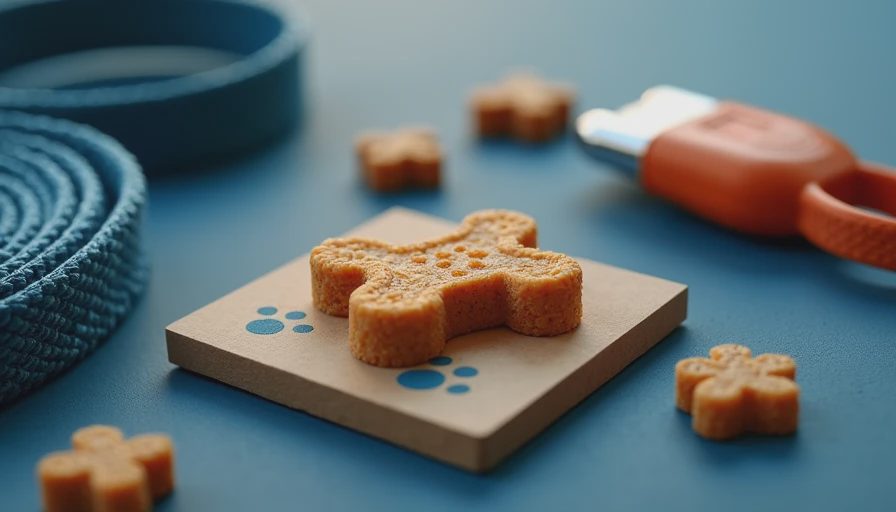
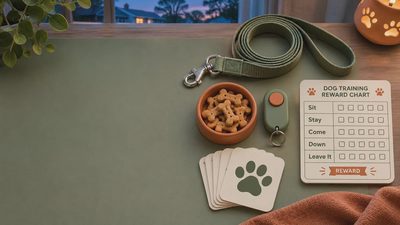
Start with treats that are soft, pea-sized, and easy to swallow. Zuke’s Mini Naturals, small pieces of cooked chicken, or your puppy’s regular kibble can work. Reserve higher-value food for harder distractions. A puppy who ignores kibble near a quiet kitchen may happily work for chicken beside a busy sidewalk.
Set up a session your puppy can actually handle
A treat training puppy session should begin in a boring, familiar place. The living room is usually better than a crowded park, especially during the first week. Put five to ten treats in a pocket or pouch, silence your phone, and decide on one small skill. “Sit when I ask” is a training goal. “Be perfect all day” is a recipe for frustration.
Keep the first practice to two or three minutes. Puppies have short attention spans, and stopping while things are still going well is a useful skill for both of you. Give a treat after a correct response, then pause for a breath before asking again. If your puppy starts biting your hands, wandering away, barking, or grabbing nearby objects, the lesson has probably become too difficult or too long. Scatter a few pieces of kibble on the floor and let the session end calmly.
Your delivery matters, too. Avoid waving the treat over the puppy’s head while repeating “sit, sit, sit.” Say the cue once, wait briefly, and help only if needed. When the puppy succeeds, mark and reward. A treat training puppy routine becomes clearer when every person in the home uses the same cue words and similar timing.
Three useful skills to teach first
Name recognition is an excellent starting point. Say your puppy’s name in a cheerful voice when the puppy is already near you. The instant the puppy looks toward you, mark and reward. Do not use the name only before unpleasant events such as nail trimming or leaving the dog park. You want the name to predict attention and connection.
Hand targeting is another practical skill. Hold out your open palm a few inches from your puppy’s nose. When the puppy investigates or touches it, mark and reward. Later, this target can help guide your puppy away from a doorway, toward a scale at the veterinarian’s office, or into position for a harness. In treat training puppy practice, simple behaviors become useful tools for everyday handling.
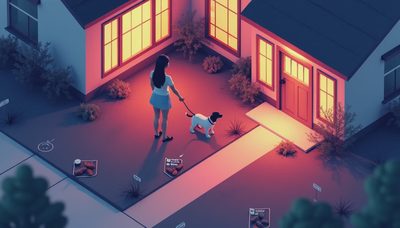
For loose-leash walking, begin indoors. Reward your puppy for standing beside your leg, then take one step and reward again. Add steps slowly. If the leash goes tight, stop rather than dragging the puppy backward. Wait for slack, invite the puppy back, and reward the choice to reconnect. A hallway or quiet driveway may feel almost too easy, but easy repetitions create the foundation for harder walks.
Avoid the common food-training traps
One common mistake is using treats that are too large. A puppy may fill up before learning much, and extra calories can add up quickly. Break soft treats into tiny pieces; the reward is the event and the food is the payment, not a snack break. If you use a large number of treats, reduce part of the regular meal rather than adding unlimited extras.
Another mistake is asking for behavior after the puppy is already overwhelmed. A barking puppy at the end of a leash may be unable to respond, not stubborn. Increase distance from the trigger, choose an easier environment, or end the exercise. During treat training puppy sessions, the best answer is often to lower the difficulty instead of repeating the cue louder.
Do not punish growling, freezing, or hiding. Those signals provide information about discomfort. Move away from the trigger and contact a qualified reward-based trainer if fear, guarding, or aggression is involved. A certified professional can help you create a safer plan, especially when children, visitors, or bite risk are part of the picture.
Move from food in hand to real-life rewards
Once your puppy responds reliably in a quiet room, change one detail at a time. Practice near the front door, then in the yard, then on a quiet sidewalk. Keep the reward rate high when you add a distraction. You are not testing whether your puppy knows the cue; you are teaching the puppy to use that skill in a new situation.
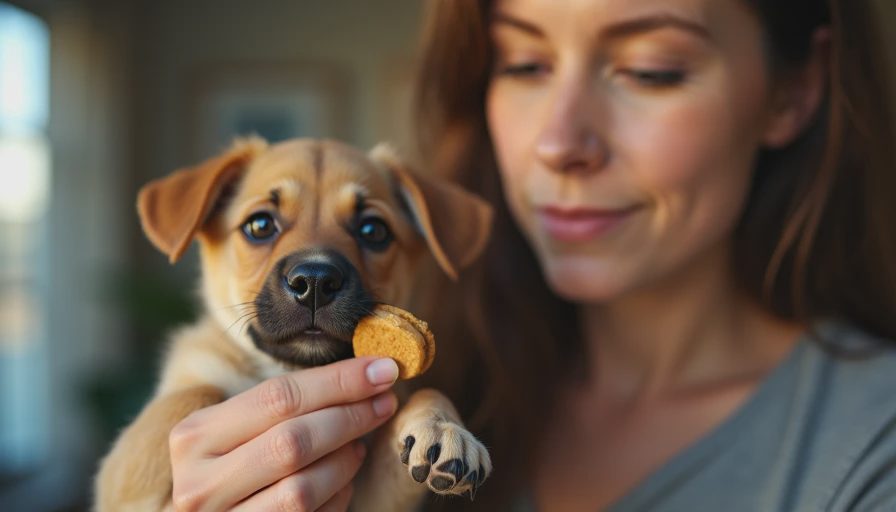
Gradually place treats in a pouch instead of your fingers. Give the cue, mark the correct response, and then reach for the reward. Later, reward every second or third success, but continue to praise and acknowledge the behavior. Real-life rewards can join the plan: opening the door after a sit, allowing a sniff after a few loose-leash steps, or tossing a toy after a drop-it.
A treat training puppy plan should become less dependent on visible food without removing reinforcement altogether. Dogs, like people, are more likely to repeat behavior that consistently works for them. Keep occasional food rewards for challenging situations, new locations, and excellent choices.
A five-minute routine for today
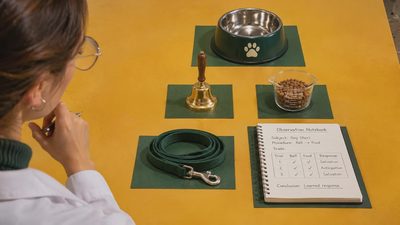
Choose one quiet room and prepare ten tiny treats. Say your puppy’s name once, rewarding each glance toward you for several repetitions. Take a short break, then practice hand targeting. Finish by rewarding your puppy for settling on a mat or standing calmly beside you. Write down what worked and what fell apart. That note is useful evidence for the next session.
If your puppy only succeeds twice, those two successes still count. Make the next attempt easier, shorten the session, or use a better reward. Progress has four paws and a messy middle. With patient treat training puppy practice, you are not merely collecting tricks; you are teaching your dog that listening to you is safe, worthwhile, and possible even when life gets noisy.
Letters
No letters yet — be the first to write.