
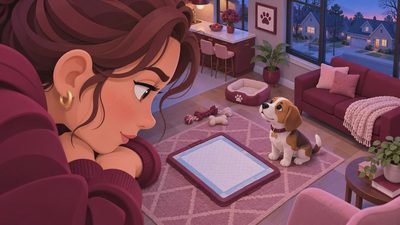
If you are learning how to potty train a dog, your day may currently involve a leash in one hand, treats in the other, and a suspicious wet spot under the coffee table. You are not failing. Your dog is learning a household rule that does not come naturally: outside is the bathroom, while the living room is not. With consistent timing, close supervision, and rewards for the right choice, most dogs can make steady progress.
Start with a routine your dog can understand
Potty training works best when bathroom trips happen predictably. Take your dog out first thing in the morning, after meals, after naps, after active play, and before bedtime. Young puppies often need more frequent trips than adult dogs because their bladder control is still developing. A very young puppy may need an outing every 30 to 60 minutes while awake, while an older puppy may manage longer stretches.
Choose one outdoor bathroom area and walk there on leash. Keep the trip boring until your dog finishes. You can quietly say a phrase such as “go potty,” but avoid repeating it with rising excitement. The moment your dog finishes, give a small, tasty treat and warm praise. The reward should arrive within a few seconds so your dog connects it with the outdoor behavior, not the walk back inside.
Keep a simple notebook or phone note with meal times, naps, accidents, and successful trips. Patterns appear quickly. If accidents usually happen around 3 p.m., schedule a trip at 2:45. This is not about creating a perfect military routine. It is about making the right behavior easier to repeat.

How to potty train a dog with supervision, not punishment
When your dog is loose indoors, actively supervise. That can mean keeping the dog in the same room, using a baby gate, attaching a lightweight leash to your belt, or offering a properly sized crate for short rest periods. A crate should be a comfortable management tool, never a place for punishment or prolonged confinement.
Watch for practical signals: sudden sniffing, circling, wandering away, standing near a door, whining, or stopping play. Some dogs give almost no warning, so timing matters more than waiting for a dramatic signal. If you cannot supervise, use a safe area that is easy to clean and large enough for comfortable movement, but not so large that one corner becomes a bathroom.
If you catch your dog beginning to eliminate indoors, stay calm. Say something neutral such as “outside,” interrupt gently, and move quickly to the bathroom area. If your dog finishes outside, reward that part generously. Do not yell, rub the dog’s nose in the mess, or punish after the fact. Dogs do not connect a delayed correction with a puddle from ten minutes earlier. They are more likely to learn that humans become scary around accidents.
Handle accidents like useful information
An accident tells you something about timing, access, supervision, or your dog’s physical condition. Clean the area with an enzymatic cleaner designed for pet urine. Regular household cleaners can remove the visible stain while leaving odor molecules that invite a repeat visit. Follow the product directions and allow the area to dry fully.
If accidents happen repeatedly in one spot, block access temporarily or rearrange furniture. Roll up rugs during the training period because soft surfaces can feel similar to grass or puppy pads. If you use indoor pads, understand that they can be useful for some apartment residents but may also teach your dog that eliminating inside is sometimes acceptable. Choose one clear plan and apply it consistently.
A regression after several good weeks is not unusual. A new schedule, guests, travel, bad weather, or too much freedom can disrupt progress. Reduce access, return to more frequent outings, and rebuild successful repetitions. That was information, not failure.
Adjust the plan for puppies and adult dogs
Puppies need physical patience. Their bodies cannot always wait, even when they understand what you want. Carrying a small puppy outside can prevent an accident in the hallway or elevator. Keep treats near the exit, along with your shoes and leash, so the process does not become a frantic search for supplies.
Adult dogs can learn too, including adopted dogs with an unclear history. An adult dog might need help understanding your schedule, the location of the door, or the type of surface you expect. Start as though the dog has no reliable habit yet. Reward outdoor success, supervise indoors, and increase freedom gradually.
Medical issues can look like training problems. Contact a veterinarian if a previously reliable dog suddenly urinates frequently, strains, drinks much more water, has diarrhea, seems painful, or cannot hold urine. Urinary infections, digestive problems, medication changes, and other conditions need medical attention rather than a stricter training plan.

Build freedom one successful step at a time
Do not give your dog access to the entire home just because there have been two clean days. Begin with one or two supervised rooms. After a solid stretch of success, add another room while keeping the same bathroom schedule. If accidents return, simply reduce freedom and increase trips for a few days.
A useful progression might look like this: first, your dog stays beside you or in a gated area; next, the dog explores one room after eliminating outside; later, the dog earns brief unsupervised moments while you remain nearby. Freedom is not a test of trust. It is a response to demonstrated habits.
Everyone in the household should use the same door, cue, reward style, and cleanup process when possible. If one person rewards outdoor elimination while another ignores it, your dog receives mixed information. Children can help by bringing treats to an adult, but an adult should manage the door and leash until the routine is dependable.
A realistic daily checklist
Before breakfast, take your dog outside immediately, reward success, and record the time. Offer another trip after eating and again after play. During the day, watch for sniffing or wandering and respond before the accident begins. At bedtime, take one final quiet trip even if your dog seems tired.
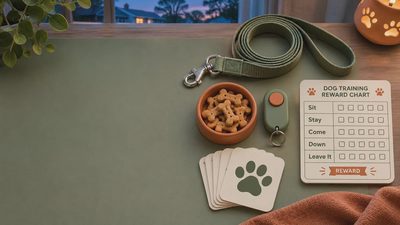
For a busy household, prepare a small station by the door with waste bags, treats, a leash, paper towels, and cleaner. Set phone reminders for the first week. A $10 treat pouch and a $20 to $40 baby gate can prevent far more frustration than buying a long list of training gadgets.
If you are figuring out how to potty train a dog, focus on repetitions rather than a perfect calendar. Some dogs show major improvement in a couple of weeks; others need several months, especially after rehoming or illness. Train the dog in front of you, not the imaginary dog from a polished video. Small wins count, and progress has four paws and a messy middle.
The action to try today is simple: choose one bathroom spot, schedule the next three trips, and keep rewards beside the door. When your dog gets it right, make that choice worth repeating. With calm consistency, your home can become cleaner while your dog learns exactly what you mean.
Letters
No letters yet — be the first to write.