
Positive reinforcement dog training is not bribing your dog into behaving or pretending every day will look like a polished training video. It is a practical way to teach your dog which behaviors work in a particular situation, then reward those behaviors clearly enough to make them worth repeating. In my house, this approach has helped with leash pulling, frantic greetings, and the dramatic beagle belief that every dropped crumb is an emergency.
The basic idea is simple: when your dog does something you want, you immediately provide something valuable. That reward might be a small treat, a toy, access to the yard, a chance to sniff, or enthusiastic attention. You are not trying to control every movement. You are building communication, one tiny choice at a time.
What positive reinforcement actually means
A reinforcer makes a behavior more likely in the future. If Pepper sits when I reach for the leash and I open the door, access to the walk reinforces the sit. If Milo looks at me instead of barking at a squirrel and receives chicken, the food reinforces that check-in. Timing matters because dogs connect consequences with the behavior that happened immediately before them, not with a vague idea of being good five minutes earlier.
This is different from simply handing out treats whenever a dog looks cute. In positive reinforcement dog training, you decide what behavior you want, set up an achievable version of the situation, and reward the response you can actually get. If your dog cannot stay calm ten feet from another dog, asking for a perfect heel beside that dog is too much. Start at thirty feet, or farther if needed.
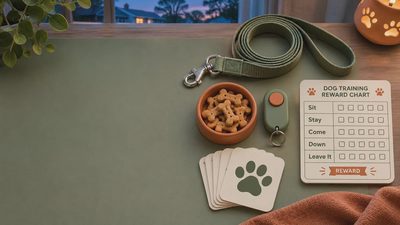
Rewards should fit the difficulty. Kibble can work in a quiet living room. Soft chicken, cheese, or a favorite tug toy may be more useful near a busy sidewalk. Keep pieces small, about the size of a pea for many dogs, so a short session does not become a second dinner. A treat pouch from PetSafe, a washable silicone pouch, or even a pocket lined with a bag can make good timing easier.
Start with one behavior and one clear cue
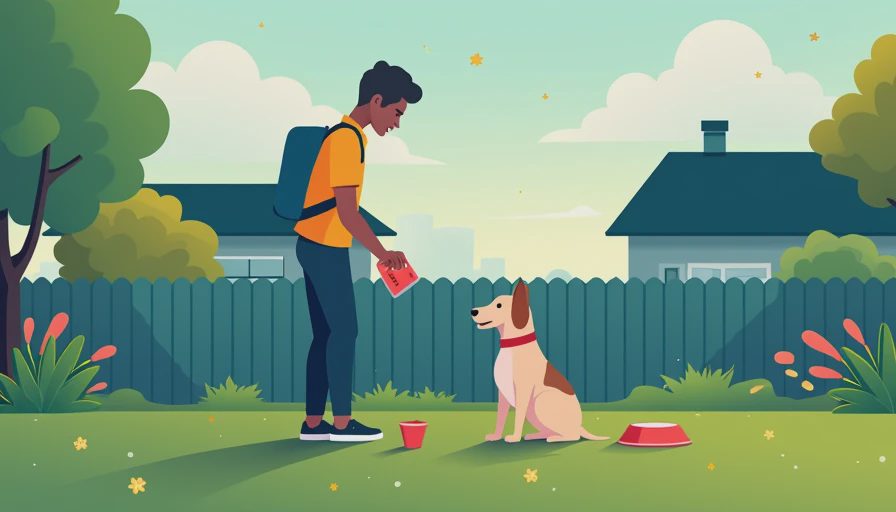
A common mistake is changing the request every time. “Sit,” “sit down,” “come on, sit,” and a louder version of all three can sound like four unrelated puzzles. Choose one cue, say it once, and help your dog succeed. When the behavior happens, mark it with a word such as “yes” and deliver the reward promptly.
For a useful first exercise, stand in a quiet room with five small treats. Wait for your dog to look toward you. Say “yes,” then give a treat. Repeat several times, pause, and see whether your dog begins checking in more often. You are not demanding eye contact or drilling for ten minutes. You are teaching that noticing you can lead to something good.
Keep sessions short enough that your dog still wants another turn. Three minutes before breakfast can be more productive than a twenty-minute session after everyone is tired. End after an easy success, then return to normal life. Positive reinforcement dog training works best when practice is scattered through routines instead of treated as a special performance requiring a free afternoon.
Applying it to pulling, jumping, and barking
For leash pulling, begin somewhere boring, such as a hallway, driveway, or quiet patch of sidewalk. Reward your dog for standing near you, turning toward you, or walking two loose-leash steps. Then release them to sniff. Sniffing is not a distraction you must always defeat; it can be a powerful reward for walking with a loose leash first.
Jumping often continues because it reliably produces hands, voices, or eye contact. Ask visitors to turn slightly away while the dog jumps, then reward four paws on the floor. If your dog is too excited to respond, use a baby gate, leash, or separate room during the first greeting. Management is not cheating. It prevents the rehearsal of the behavior while you teach a better option.
Barking needs a closer look at the trigger. A dog barking at delivery workers may be alarmed, excited, or frustrated by the window. Close the blinds, add distance, and reward a glance back at you before the barking escalates. Positive reinforcement dog training does not require ignoring fear. It requires making the situation manageable enough for learning to happen.
Make recall safer and more rewarding
Recall deserves special care because “come” can lead to wonderful freedom or an unwanted end to fun. Start indoors by saying your recall cue in a cheerful voice, moving backward, and rewarding your dog when they follow. Gradually practice in a fenced area or on a long line, never assuming a reliable response near traffic simply because it worked in the kitchen.
Use unusually valuable rewards for difficult recalls. Roast chicken, a favorite squeaky toy, or a quick chase game can compete with a rabbit far better than a dry biscuit. Sometimes call your dog, reward them, and then release them back to sniff. That teaches that coming to you does not always mean the adventure is over.
If your dog ignores you, do not repeat the cue ten times while frustration builds. Move closer, reduce the distraction, or use the long line to prevent a dangerous choice. That was information, not failure. The setup was harder than the current skill.

A realistic weekly routine
On Monday, practice name recognition and check-ins for three minutes in the living room. On Tuesday, reward loose-leash steps in the driveway. On Wednesday, work on settling on a mat while you drink coffee. On Thursday, repeat an easier exercise rather than increasing difficulty just because the calendar says you should. On Friday, practice recall indoors, then use Saturday for a quiet outdoor session.
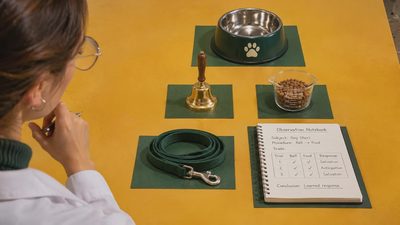
Write down the trigger, distance, reward, and result in a notebook. “Barked at dog” is less useful than “saw terrier across the street at twenty-five feet, looked back after chicken, recovered in thirty seconds.” Those details show whether you need more distance, better food, fewer repetitions, or a calmer location.
Everyone in the home should use similar cues and reward the same broad behavior. If one person allows jumping and another expects a sit, the dog is not being stubborn; the household rules are unclear. A family meeting of five minutes can prevent weeks of mixed signals.
When to get professional help
Reward-based training is a strong starting point, but some problems need individual support. Contact a qualified force-free trainer or veterinary behavior professional if your dog has bitten, is showing serious fear, guards food, panics when alone, or cannot stay under threshold around a major trigger. A veterinarian can also check for pain or medical issues that affect behavior.
Look for trainers who explain what they are teaching, welcome questions, and avoid promises of instant obedience. Be cautious with anyone who relies on intimidation, claims every problem comes from dominance, or says fear is the only way to gain control. The goal is not a dog that freezes. The goal is a dog that can make safer choices and recover from ordinary excitement.
Positive reinforcement dog training will not make every walk perfect by next Tuesday. It can make the next walk slightly easier, and those easier moments add up. Train the dog in front of you, not the imaginary dog from a social media clip. Choose one behavior today, prepare a reward, and practice for three quiet minutes. Progress has four paws and a messy middle.

Letters
No letters yet — be the first to write.