
If you need to wash dogs ears, you are probably standing beside a bathroom sink with one nervous dog, one bottle of cleaner, and no clear plan. I have been there. Pepper once turned a simple ear-care attempt into a dramatic reverse crawl across the kitchen floor. The lesson was not that she was stubborn. She was telling me the process felt strange and unsafe.
Routine ear cleaning should be calm, brief, and gentle. It can remove excess wax and dirt from the outer ear, especially after swimming or muddy walks. It cannot cure every ear problem, however, and pushing liquid or cotton swabs too far into the canal can cause pain. The goal is a cooperative habit, not a spotless ear at any cost.
Gather the Right Supplies First
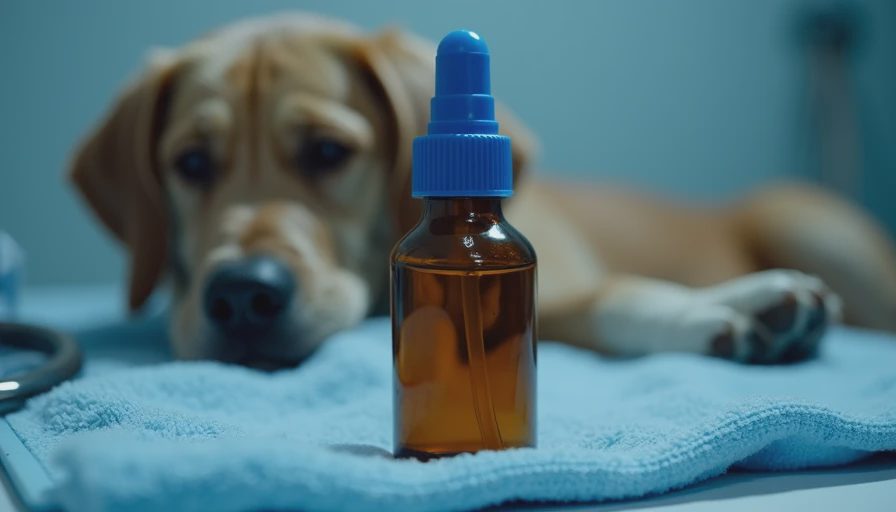
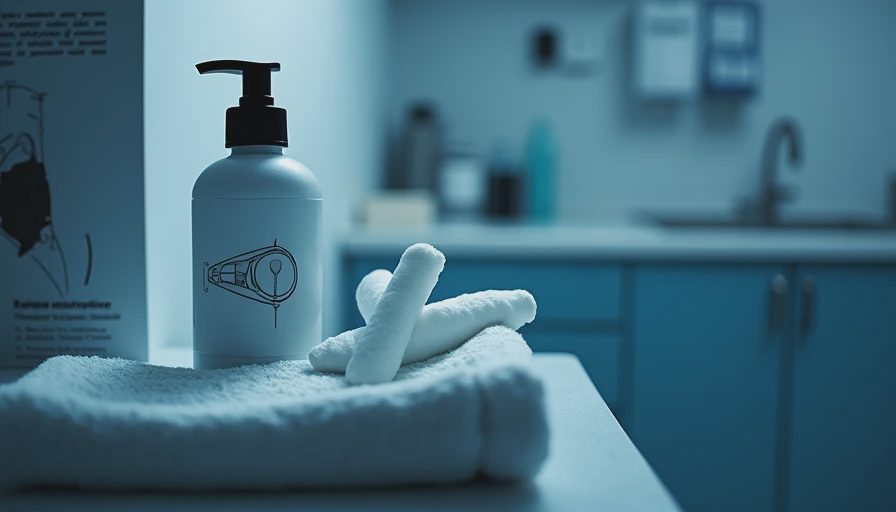
Before you wash dogs ears, collect everything so you do not leave a wet dog waiting while you search for a towel. Use a veterinarian-recommended canine ear-cleaning solution, several soft cotton rounds or gauze pads, a towel, and small high-value treats. A silicone lick mat with a little plain yogurt or canned dog food can give your dog something useful to focus on.
Do not substitute rubbing alcohol, hydrogen peroxide, vinegar, essential oils, or human ear drops. These products can irritate delicate tissue, particularly if an ear is already inflamed or the eardrum is damaged. Cotton swabs are also a poor choice for deep cleaning because they can push debris farther inside. Keep the bottle at room temperature; cold liquid can make an already uncertain dog jerk away.
Choose a location with good footing. A bath mat on the bathroom floor is safer than a slippery tub. If your dog dislikes being cornered, sit beside a sofa or use a quiet room with an open doorway. You do not need to pin the head still. A loose hand under the chin is enough for many dogs, while another person can calmly deliver treats.
A Step-by-Step Way to Wash Dogs Ears
Start with a check, not a cleaning. Lift the ear flap and look for heavy redness, swelling, blood, thick discharge, a strong foul odor, or a painful reaction. If you see those signs, stop and call your veterinarian. A dog that suddenly yelps, scratches constantly, tilts the head, or loses balance needs medical attention rather than a home experiment.
If the ear looks normal, let your dog sniff the bottle. Touch the outside of the ear, give a treat, and remove your hand. Repeat several times. This small introduction matters because many dogs object less to the cleaner than to the surprise of a hand appearing over their head.
To wash dogs ears, gently lift the flap and place the nozzle at the opening without pushing it into the canal. Squeeze in the amount listed on the product label or recommended by your veterinarian. Massage the base of the ear for about 20 to 30 seconds. You should hear a soft squishing sound. If your dog pulls away, pause and offer a treat rather than chasing the head.
Let your dog shake. This is helpful, not rude; shaking moves loosened material toward the outer ear. Use a cotton round or gauze to wipe the visible flap and the entrance of the ear. Stop where your finger can comfortably reach. Never dig into a narrow canal, and never use force to remove stubborn debris. One gentle pass followed by a reward is better than ten frustrated passes.
Give a final treat and end the session while your dog is still coping. Some dogs tolerate one ear at a time more easily than both. A five-minute session is plenty. If the dog walks away, that was information, not failure. Next time, practice touching the ear and rewarding without using cleaner.
How Often Should You Clean?
There is no universal weekly schedule. Some dogs with floppy ears, allergies, or frequent swimming need more monitoring, while others produce little wax and need very occasional cleaning. Overcleaning can dry and irritate the ear canal, creating a new problem where none existed. Check the ears during ordinary grooming, then clean only when there is visible dirt or your veterinarian has given you a specific plan.
After a swim, dry the outer ear with a towel and check for trapped moisture. Do not pour water into the canal during a regular bath. Dogs with poodle-like hair, narrow canals, recurring infections, or known allergies deserve a professional maintenance plan rather than guesswork. Ask whether a drying or medicated product is appropriate before adding anything to the routine.
A simple notebook can help. Record the date, which product you used, whether your dog tolerated each ear, and any redness or odor you noticed. Patterns are easier to explain to a veterinarian when you have actual observations instead of trying to remember what happened three weeks ago.
When a Veterinarian Should Take Over
Home cleaning is not a substitute for diagnosis. Ear infections can involve yeast, bacteria, parasites, allergies, foreign material, or a combination of causes. These problems may look similar from the outside but require different treatment. A leftover prescription from a previous infection is not automatically safe for the next one.
Book a veterinary appointment if the ear smells strongly, produces yellow, green, bloody, or coffee-ground-like material, looks swollen, or remains itchy after gentle cleaning. Also call promptly if your dog cries when the ear is touched, holds the head at an angle, stumbles, or has repeated infections. The veterinarian may examine the canal with an otoscope and test a sample before recommending drops.
Avoid using force because struggling can turn ear care into a genuine safety issue. A dog that learns hands predict restraint may begin hiding, growling, or snapping during future handling. If your dog cannot tolerate an examination, tell the clinic before arrival. The team can plan low-stress handling and discuss appropriate options.
Build a More Cooperative Routine
The easiest way to wash dogs ears is to train the tiny pieces before you need the full procedure. Over several days, touch the shoulder, then the ear flap, then the base of the ear. Reward each step. Add the bottle later. You can practice while your dog is relaxed after a walk, not when everyone is already late for work.
Use a consistent phrase such as “ear check,” but do not repeat it while forcing the dog through discomfort. Pair the phrase with good things so it remains meaningful. Keep treats small and valuable, such as bits of chicken, cheese, or a favorite training treat. If your dog leaves, give space and try an easier step next time.
My beagle Milo once accepted ear handling only when I sat on the floor and let him position himself between my knees. Pepper preferred standing beside me. Neither method looked polished, but both worked better than copying an online video. Train the dog in front of you. Progress has four paws and a messy middle.
When you wash dogs ears with preparation, a suitable product, and patience, the routine becomes ordinary instead of alarming. Start today with one reward for a calm ear touch. If you notice pain, discharge, or a persistent odor, skip the home cleaning and contact your veterinarian.
Letters
No letters yet — be the first to write.