
The best answer to how to train a rescue dog at home is to start smaller than you think: create a predictable routine, reward behaviors you want to see again, and give your dog room to settle. You do not need a perfect schedule or a dog who already knows their name. A few quiet minutes at a time can teach both of you what works.
For the first few days, think safety and trust before a long list of cues. Some dogs are ready to explore right away; others need more time and distance. Neither response tells you exactly how long adjustment will take. Progress may show up as taking a treat, choosing to rest, or walking into the next room.
Set up a calm landing spot
Choose a quiet area with a comfortable bed, water, and enough space for your dog to move away. A baby gate can give them a break from household traffic without closing them off completely. If you use a crate, make it an inviting, voluntary resting place rather than a punishment. Never force a frightened dog inside.
Keep the first stretch of home life fairly predictable: meals, bathroom trips, rest, and gentle activity at roughly consistent times. Skip the welcome party. Let your dog approach people instead of being passed around or crowded, and give children an active role in respecting the resting area.
Use a properly fitted collar or harness and a secure leash for outdoor trips, even if your dog seems eager to stay close. Check gates and doors before opening them. A newly adopted dog may startle or slip away before they know where home is.
Watch for signs that your dog needs a break: turning away, moving farther from you, freezing, or repeatedly licking their lips when no food is present. Look at the whole situation, not one signal in isolation. If they retreat, let them. You can build a relationship without insisting on cuddles.
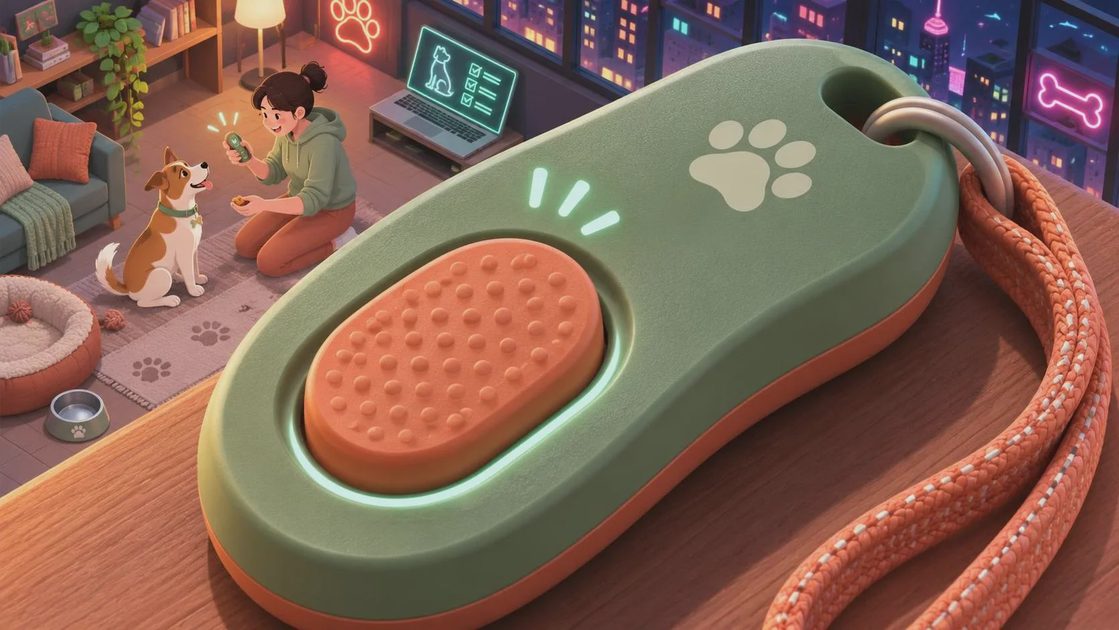
How to train a rescue dog at home with rewards
Pick a quiet room and use tiny, soft treats your dog enjoys. A piece about the size of a pea is enough for many dogs; use smaller pieces for a small dog. If treats are not appealing, try a portion of their regular food or a favorite toy, provided the dog is comfortable taking it. Include training food in their daily intake, and ask your vet about suitable treats if they have dietary restrictions.
Start by saying your dog's name once. When they look toward you, say “yes” in a friendly voice and give them a treat. Repeat a few times, then stop. If they do not look, move closer or reduce distractions rather than repeating the name over and over. The goal is to make their name a useful invitation, not background noise.
Next, teach a hand target. Hold an open palm a few inches from their nose. When they investigate and touch it, say “yes” and reward. Once they are happily following your hand, you can use that skill to guide them away from a doorway or toward their bed without grabbing their collar.
Aim for one- to three-minute sessions, once or twice a day when you can manage it. A dog who wanders off, stops eating, or seems tense may need an easier task or a break. That was information, not failure. End while things are going reasonably well, and practice again later.
Build a bathroom routine that makes sense
Take your dog to the same outdoor area after waking, after meals, after play, and regularly between those moments. Puppies and some adult dogs need more frequent trips. Stand quietly and give them a chance to sniff. When they finish going outside, reward them promptly, before heading back in.
Indoors, supervise when possible and use a gate or a smaller dog-safe area when you cannot. If you catch your dog starting to go, calmly guide them outside if you can do so without startling them. Clean accidents with an enzymatic cleaner made for pet messes. Punishing a dog afterward will not teach them where the bathroom is and can make them wary of going near you.
If accidents are frequent, your dog strains, or a previously reliable dog suddenly starts having them, contact your veterinarian. Medical issues can look like a training problem, and a dog with an unknown history may also need a basic health check.

Practice everyday skills without adding pressure
For a simple sit, hold a treat near your dog's nose and slowly move it slightly upward and back. When their rear touches the floor, say “yes” and reward. If they back up, jump, or seem uncomfortable, reset and try a smaller movement. Do not push their hips down. Some dogs find sitting uncomfortable, so ask your vet if the movement seems difficult or painful.
For settling, put a mat near where you spend time. When your dog looks at it, steps on it, or lies down, quietly place a treat on the mat. You are rewarding a choice, not demanding that they stay there. Over time, pause briefly between rewards and let calm moments grow at your dog's pace.
For a beginner recall, say “come” in a cheerful voice from a few steps away. Move backward if that encourages your dog to follow, then reward generously when they reach you. Practice indoors first. Outside an enclosed area, use a secure leash or long line attached to a well-fitted harness; a new recall is not a safety guarantee. Avoid calling your dog only for things they dislike, such as ending play.
When the plan needs more support
A dog who barks, hides, or pulls may be overwhelmed rather than stubborn. Increase distance from the trigger, lower the difficulty, and reward any relaxed attention they can offer. Do not force a greeting to prove that a person or dog is safe. If your dog will not take food, they may be too stressed or too close; move somewhere quieter and reassess.
For growling, snapping, a bite, severe distress when left alone, or fear that is getting worse, involve your veterinarian and a qualified reward-based trainer or veterinary behaviorist. Prevent rehearsals in the meantime: use gates, give the dog space, and avoid situations that could put anyone at risk. Do not punish a growl; it is useful warning information.
Today, choose one quiet spot, put a few treats nearby, and reward your dog for looking at you when you say their name. That is enough for a first session. Train the dog in front of you, not the imaginary dog who arrived knowing all the house rules.

Letters
No letters yet — be the first to write.