
Training a vicious dog is not a weekend obedience project, and calling a dog vicious does not explain what is happening underneath the behavior. A dog that growls, lunges, snaps, or has bitten may be frightened, in pain, overwhelmed, guarding something valuable, or rehearsing a response that has worked before. Your first job is not to prove who is in charge. It is to prevent another incident and create enough space for learning.
I know how tempting it is to search for one dramatic fix when everyone in the house is tense. Please skip shock collars, alpha-roll advice, leash corrections, and punishment for growling. Those methods can suppress warning signals without changing the emotion behind them. That can make a bite seem to come from nowhere. Progress starts with management, careful observation, and qualified professional support.
Start with safety before training
If your dog has bitten a person or another animal, caused a puncture, made repeated attempts to bite, or cannot be safely handled, arrange an appointment with a veterinary behaviorist or a certified behavior professional experienced with aggression cases. Your regular veterinarian can help investigate pain, illness, medication effects, or neurological concerns and provide a referral. Look for credentials such as DACVB, CAAB, or IAABC, and ask exactly how the professional handles aggression before booking.
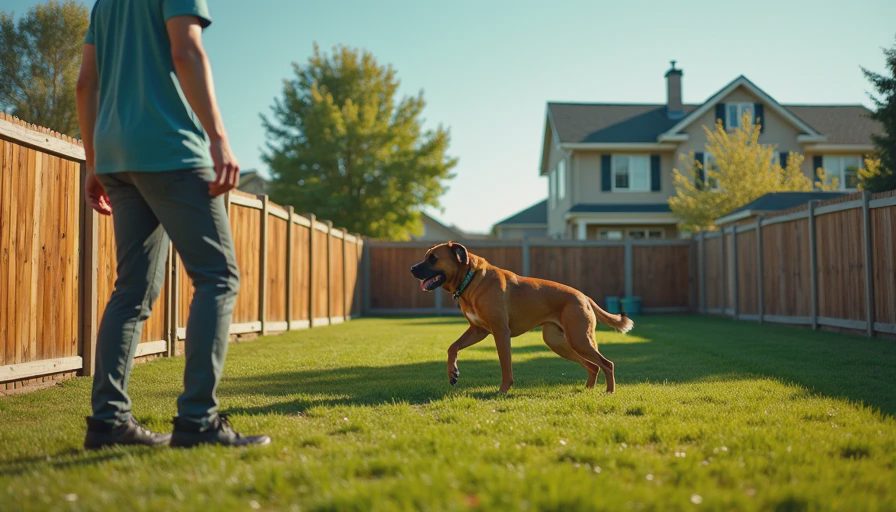
Until you have a plan, use physical separation rather than testing your dog. Closed doors, sturdy gates, a secure crate if your dog already likes it, and a quiet room can prevent risky encounters. Do not allow children to approach, hug, climb on, or take objects from the dog. Guests should not reach toward the dog. If delivery workers or repair people arrive, keep your dog behind a closed door before opening the front door.
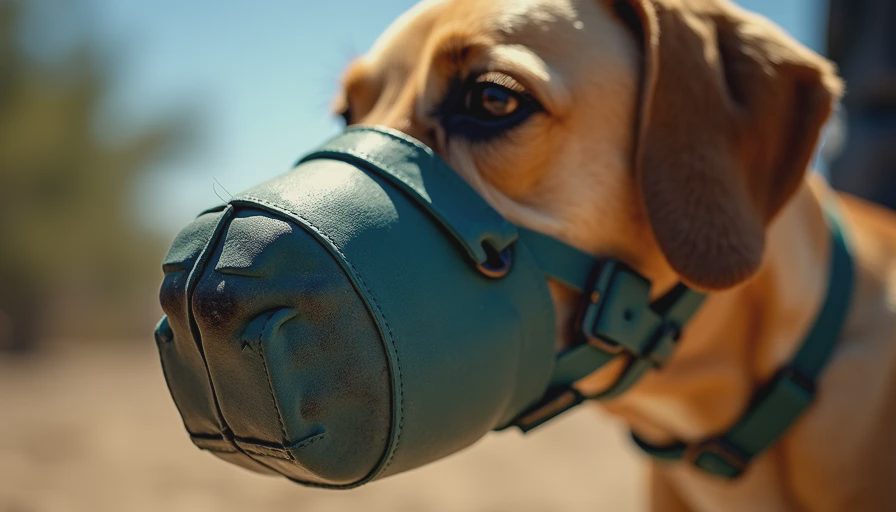
For training a vicious dog, management is not giving up. It is the safety net that stops the dog from practicing lunging or biting while you build better skills. A muzzle can be useful when introduced gradually with food, but it is not permission to force close contact, and it should not be used as a substitute for distance or supervision.
Learn what happens before the reaction
Write down the details of each incident while they are fresh. Note the location, people or animals nearby, distance, noise, time of day, what your dog was doing, and how quickly the dog recovered. A reaction near a food bowl may involve resource guarding. A lunge at the front window may be triggered by movement and frustration. Snapping during brushing can point to pain, fear, or discomfort with handling.
Watch for early signals such as turning away, lip licking, freezing, crouching, whale eye, stiff posture, pinned ears, or a low growl. These are useful information, not insults. When you see them, calmly increase distance. Do not wait for the bark or snap to become dramatic. In training a vicious dog, the best learning opportunities happen before the dog crosses the threshold where thinking becomes difficult.
A simple notebook can reveal patterns within two weeks. Pepper, my cattle-dog mix, once barked hardest at bicycles after already having a difficult morning. The bicycle was not the whole story; accumulated stress had lowered her tolerance. That was information, not failure. We shortened the walk, added sniffing time, and practiced looking at bikes from far away.
Use distance and rewards to change the picture
Choose a trigger your dog can notice without exploding. That might mean seeing a person from across a parking lot, hearing a knock at low volume, or watching another dog from the far end of a quiet field. The moment your dog notices the trigger, offer several small, high-value treats such as chicken, cheese, or a favorite commercial training treat. When the trigger disappears, the food stops. This teaches that noticing does not automatically lead to conflict.
Keep sessions short, often two to five minutes. If your dog barks, lunges, refuses food, or cannot look back at you, the setup is too difficult. Move farther away, reduce the trigger’s intensity, or end the session. Do not lure a dog closer with food and then trap the dog in an interaction. The goal is choice and calm repetition, not forced tolerance.
Training a vicious dog works best when the reward matches the difficulty. A quiet glance at a distant trigger might earn one treat. Turning away, checking in, or walking with you might earn a small handful. Increase challenge one variable at a time: distance, duration, movement, or location. If you change all four together, you will not know which part caused trouble.
Build household routines that reduce conflict
Many serious reactions happen during ordinary moments: taking away a chew, moving a sleeping dog, clipping a leash, or interrupting play. Give your dog predictable alternatives. Trade a low-value toy for chicken instead of grabbing it. Teach “go to mat” by rewarding the dog for stepping onto a bed, then gradually add gentle movement around the room. Call the dog away from a doorway before opening it, using a barrier so success does not depend on perfect obedience.
Everyone in the household should use the same rules and words. One person should not allow furniture access while another drags the dog off the couch. Feed pets separately if meals create tension. Pick up children’s toys, keep medications and food secured, and avoid rough games that encourage grabbing clothing or hands. Training a vicious dog becomes more manageable when the home removes unnecessary tests.
Do not punish growling. A growl is a warning that gives you a chance to create space. Quietly move away, separate the dog, and record what happened. If the dog guards a particular item, do not repeatedly take it to “teach a lesson.” Ask a professional to design a safe trade-up plan.
Know when online advice is not enough
Videos and articles can help with basic management, but a bite history, aggression toward household members, redirected biting, or unpredictable reactions deserves individual guidance. A qualified professional should observe the dog’s body language, identify triggers, discuss safety equipment, and explain what success will look like. In some cases, a veterinarian may discuss medication alongside behavior work. Medication is not a shortcut; reducing panic can make learning possible.
Ask potential trainers whether they use food, choice, gradual exposure, and management. Be cautious if someone promises a fixed dog in one session, says every problem comes from dominance, or recommends flooding the dog with the trigger. You should be able to ask questions without being shamed, and the plan should include what to do when a session goes badly.
For training a vicious dog, progress may look modest at first: recovering in three minutes instead of ten, accepting a harness without freezing, or passing a neighbor at a greater distance. Those changes matter. Track recovery time, trigger distance, successful repetitions, and incidents rather than expecting a perfect week.
One small step to take today
Today, identify one predictable trigger and increase distance from it. Put high-value treats in a container where adults can reach them, tell household members the new safety rule, and schedule a veterinary or behavior consultation if the risk is serious. Do not stage a confrontation to see whether the dog is “better.” Train the dog in front of you, not the imaginary dog from a cheerful video.
Training a vicious dog is really the work of understanding a dog whose behavior has become unsafe. Some dogs become dramatically calmer; others need lifelong management, careful introductions, or limits around visitors. A responsible plan can still produce a safer, richer life. Progress has four paws and a messy middle, and the next safe repetition is more valuable than one heroic attempt.



Letters
No letters yet — be the first to write.