

If there is a training mistake to be made with a newly adopted dog, I have probably made it.
Some of those mistakes were mildly embarrassing at the time. A few were spectacularly so. Looking back, the most useful ones were not the ones that went smoothly—they were the ones that forced me to change how I thought about training. The clean sessions felt good in the moment. The messy ones taught me what actually mattered.
Here are several of the most instructive, ranked roughly by how much they taught me. The ranking is personal, but the categories are common to almost everyone who has tried to train a real dog in a real house.
1. Trying to Train Through High Arousal
Usefulness: Very High
Early on I would continue asking for sits, stays, or attention when Pepper was already over threshold—barking at the window, lunging on leash, or frantic at the door. I thought persistence equaled consistency. I believed that if I just kept asking, she would eventually respond and the behavior would improve.
What actually happened was the opposite. The more I pushed when she was already over threshold, the more we both rehearsed frustration. She stopped taking food. Her body got tighter. My voice got sharper. The session ended with both of us more agitated than when we started.
What I learned: once the dog cannot take food or respond to known cues, the session has become management and recovery, not teaching. Continuing only rehearses failure. This mistake taught me to watch body language and end or adjust earlier than felt comfortable. The willingness to stop became one of the most valuable skills I developed. Ending a session while the dog can still succeed protects future willingness far more than pushing for one more repetition ever does.
2. Using the Same Cue for Everything
Usefulness: High
“Leave it” became my universal interrupter. Leave the food, leave the dog, leave the guest, leave the sock, leave the interesting smell on the sidewalk. The cue lost all specificity. Pepper would freeze, offer random behaviors, or simply continue what she was doing because the word no longer predicted any single clear action.
What I learned: clean cues need clean definitions. When one word means five behaviors, the dog cannot form a reliable response. This pushed me to teach distinct behaviors and protect the meaning of each cue. “Leave it” was reset to mean “turn away from that and orient toward me.” Other situations received their own cues. Clarity improved faster than any increase in volume or repetition ever had.
3. Practicing Only in Easy Settings and Then Expecting Real-World Performance
Usefulness: High
I would get a nice loose-leash walk in the quiet backyard and then feel surprised when it fell apart on the actual sidewalk. The same pattern appeared with settle, recall, and almost every other skill. I treated the easy version as if it automatically transferred.
What I learned: dogs do not automatically generalize. Skill has to be built through gradual changes in environment, distance, and distraction. The backyard is for foundations, not for final proofing. Expecting the dog to perform in a harder context without practice there was unfair to both of us. Once I started treating each new environment as a place that needed its own careful practice, progress became more predictable and less disappointing.
4. Letting the Walk Reinforce Pulling Because “We Need to Get Somewhere”
Usefulness: Very High
For months I allowed tight-leash walking to continue because I needed the exercise or the potty break to happen. Every step forward paid the pulling. I told myself we would “work on it later” while the daily walk kept strengthening the exact pattern I wanted to change.
What I learned: if the dog is rehearsing the unwanted behavior on most walks, the training plan is being undermined by daily life. Management and shorter training-focused walks had to come first. Convenience was quietly erasing the progress I thought I was making. Separating “training walks” from “management walks” reduced frustration and finally allowed the loose-leash skill to improve.
5. Taking the Dog’s Non-Response Personally
Usefulness: Extremely High
This was the most persistent and least useful emotional habit. When the dog did not respond, I felt it as defiance or failure on my part. My body language tightened. My timing got worse. The session became about my feelings instead of the dog’s actual needs.
What I learned: non-response is information about clarity, difficulty, motivation, or the dog’s state. Treating it as personal makes the trainer tighter and less effective. Treating it as data makes the next adjustment obvious. This single mindset shift reduced more frustration than any technique I learned afterward. The phrase “That was information, not failure” became a regular reset for me.
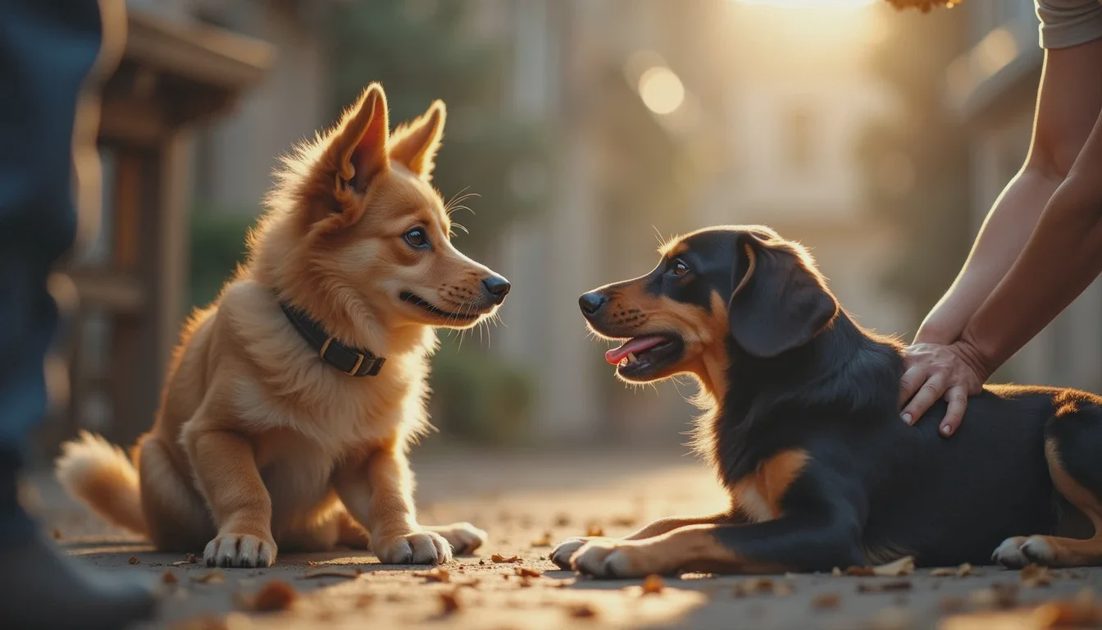
What These Mistakes Had in Common
In almost every case I was:
Asking for more than the dog could give in that moment
Using unclear or over-extended cues
Allowing daily life to rehearse the opposite of what I was trying to teach
Interpreting the dog’s behavior through my own frustration rather than through observable information
Once I started correcting those patterns, progress became steadier even though it never became perfect. The common thread was that I had been training my own assumptions more than I had been training the dog in front of me. The dog was giving clear feedback the entire time. I just needed to stop arguing with it.
Why Ranking Them by Usefulness Helps
Embarrassing mistakes only stay useful if we extract the lesson instead of just cringing at the memory. The ranking is personal, but the categories are common: arousal, cue clarity, generalization, reinforcement of unwanted behavior, and emotional interpretation.
If you recognize yourself in any of these, you are in very ordinary company. Most people who end up with reliable dogs have a similar list of early errors. The difference is usually whether those errors were examined or simply repeated. Looking at the mistakes as data rather than personal shortcomings turns them into tools.

How the Lessons Showed Up Later
The most useful mistakes did not stay painful. They became filters. When a session started to go sideways I could ask:
Is the dog over threshold?
Is the cue still clear?
Have I practiced this in this environment?
Am I accidentally paying the wrong behavior?
Am I taking this personally instead of reading the information?
Those questions turned the messy middle into something workable instead of something discouraging. The same mistakes still appear from time to time—arousal still creeps up, cues still get stretched, walks still get rushed—but they are caught earlier and corrected with less emotional cost.
Final Thought
The messy middle is full of moments we would rather not replay. The ones that teach us something become part of how we train better afterward. I would rather have the useful embarrassment than the clean session that taught me nothing new.
Progress has four paws and a messy middle—and sometimes the mess is the most instructive part. The goal is not to avoid every mistake. The goal is to let the useful ones change how you show up for the next session.

Letters
No letters yet — be the first to write.