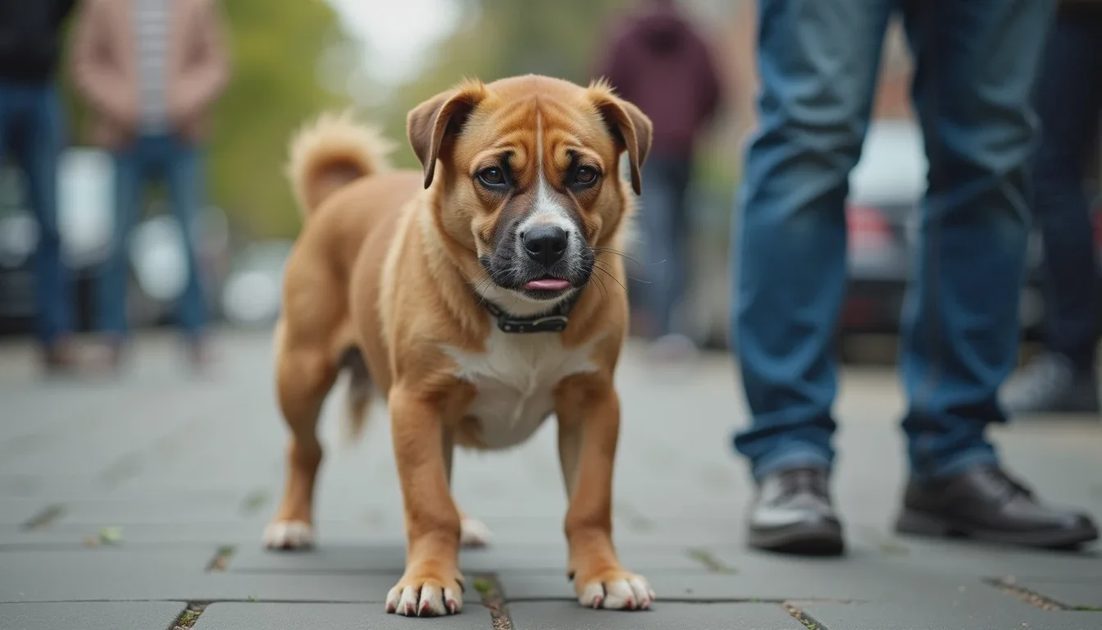
I spent the first year with Pepper missing most of what she was telling me.
I could see the big displays—barking, lunging, full-body wiggles. I missed the quieter signals that came before them: the closed mouth, the sudden stillness, the weight shift forward, the brief lip lick. By the time the big behavior appeared, the chance to adjust had already passed.
Learning basic body language did not make me an expert overnight. It did make me much better at noticing when the dog in front of me was still able to learn and when the situation had become too hard.
Why Body Language Matters in Everyday Training
Dogs communicate constantly with their bodies. When we only respond to the final, obvious behavior, we are often late. The earlier signals tell us:
The dog is still comfortable
The dog is becoming unsure or aroused
The dog is moving toward overload
Seeing those signals early lets us lower difficulty, increase distance, or end the session before the dog practices unwanted responses. Body language is the dog’s side of the conversation. Learning to read it turns training from a series of surprises into a more responsive exchange.
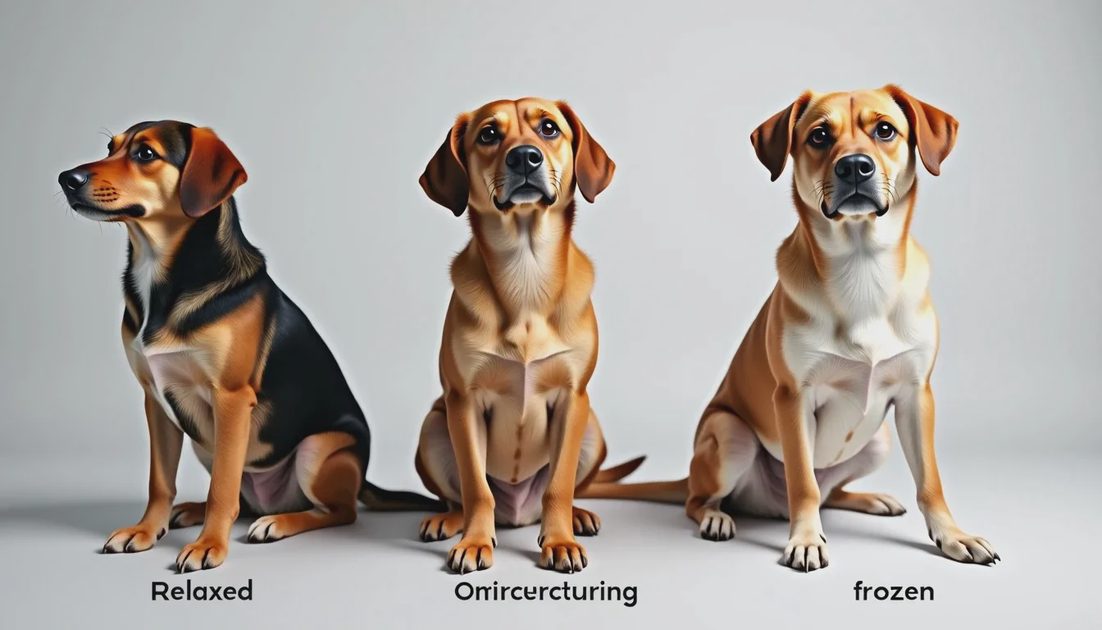
Three Broad Categories Worth Recognizing
1. Soft / Relaxed
Common signs:
Loose, wiggly body
Soft eyes
Open mouth possible, but not panting from stress
Weight balanced
Willingness to take food and respond to known cues
Tail carriage that matches the dog’s normal relaxed set
This is the state where learning is easiest. The dog can think, take in information, and offer behaviors. Most productive training happens here.
2. Tense / Uncertain / Aroused
Common signs:
Closed mouth
Body still or stiff
Hard stare
Weight shifted forward or backward
Ears more alert or pinned depending on the dog
Slower or absent response to cues
Taking food more roughly or hesitantly
Brief lip licks, yawns, or shake-offs that appear out of context
This is the yellow-light zone. The dog is still manageable if we adjust, but continuing to push often leads to the next category. Many training sessions fall apart because we miss this stage and keep asking for work after the dog has already left the optimal learning state.
3. Over threshold / Overloaded
Common signs:
Inability to take food
Lunging, barking, or shutting down
Frantic movement or complete freeze
Loss of response to known cues
Intense scanning or fixation
Heavy panting that is not from heat or exercise alone
Once the dog is here, teaching is usually ineffective. Management and exit become the priority. Continuing to ask for cues or trying to “push through” rarely produces learning and often strengthens the unwanted response.
Signals I Watch for Most Closely on Walks
Sudden closure of the mouth
Brief stillness before movement
Hard focus on a trigger
Tail set changing (higher or tucked, depending on the dog)
Refusal of previously accepted food
Inability to turn away when asked
Weight shifting forward toward a distraction
A sudden increase in scanning or vigilance
I do not need to interpret every possible signal perfectly. I only need to notice when the dog’s baseline has changed enough that the current difficulty is no longer appropriate. Early observation gives me options. Late observation usually leaves me with management only.
How This Changes Training Decisions
When I see early tension signals, I have options:
Increase distance from the trigger
Ask for a known, easy behavior and reward it
Change direction
End the session while the dog can still succeed
Switch to a lower-arousal activity such as sniffing
All of these are more effective than waiting for the full reaction and then trying to correct it. The earlier the adjustment, the more likely the dog is to stay under threshold and continue learning.
Common Beginner Mistakes
Waiting for the “big” behavior before responding
Assuming a wagging tail always means happy
Interpreting every closed mouth as “fine”
Continuing to ask for complex behaviors after the dog has stopped taking food
Missing the quiet signals because the overall situation still looks “mostly okay”
These mistakes are normal when we are first learning. The goal is simply to start noticing earlier. You do not need to become fluent in every possible signal overnight. Picking two or three reliable indicators and watching for them consistently already improves decision-making.
A Simple Practice Habit
On your next few walks, pick one or two signals to watch for (for example, closed mouth and ability to take food). You do not have to change everything at once. Just practice seeing the information the dog is already offering.
Over time the signals become easier to read, and adjustments become more automatic. Many people report that once they start noticing the early signs, the big reactions happen less often—not because the environment changed, but because they began responding before the dog reached overload.
Why This Skill Matters Beyond Walks
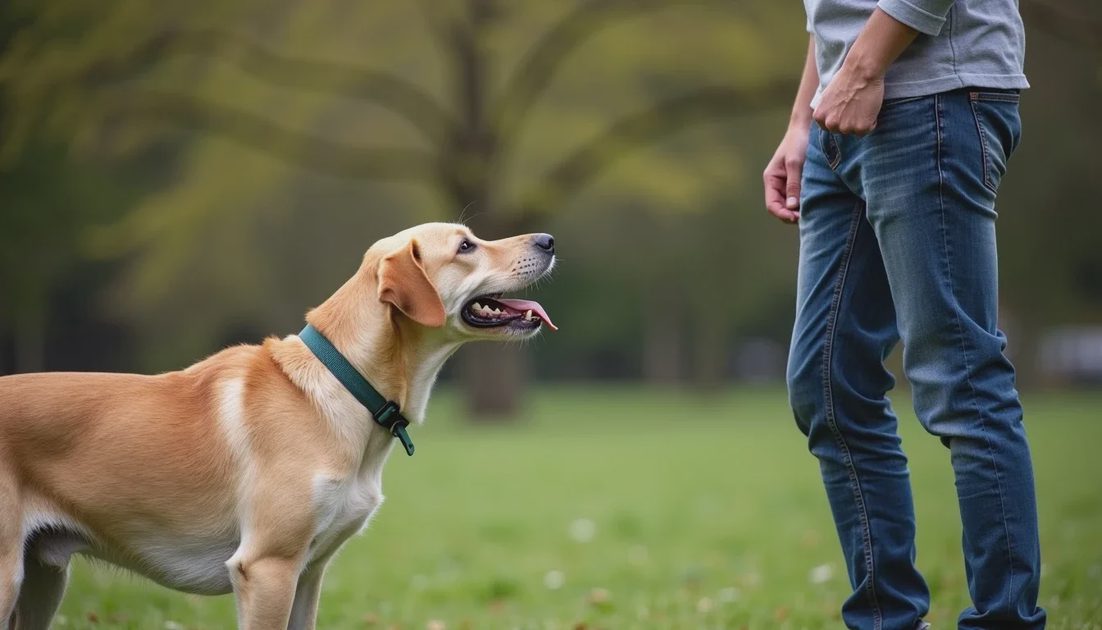
The same observation skills apply at home. A dog who is pacing, unable to settle, or ignoring known cues is often already past the point where more training cues will help. Noticing the shift early lets you switch to management, provide an appropriate outlet, or simply give the dog space to recover.
Body language literacy also reduces the tendency to take the dog’s behavior personally. When you can see that the dog is tense or over threshold, the non-response stops looking like defiance and starts looking like information.
Final Thought
Body language is the dog’s side of the conversation. When we learn to notice stress, excitement, and overload earlier, we stop being surprised by the big behaviors and start responding while the dog still has choices.
Train the dog in front of you—including the one who is quietly telling you the situation has become too hard. Progress has four paws and a messy middle. The messy middle includes a lot of small signals that, once seen, make the bigger picture much clearer.

Letters
No letters yet — be the first to write.