
A dog with harness gear can make walks easier, but putting on a new piece of equipment will not automatically stop pulling, barking, or lunging. I learned that lesson with Pepper, my cattle-dog mix, during a very memorable sidewalk argument with a plastic yard decoration. The harness helped me keep her comfortable and secure. The calm walking part came from changing our routine in small, repeatable steps.
If your walks feel like a tug-of-war, you are not failing. Your dog is noticing smells, squirrels, bicycles, people, and every sound you wish they would ignore. The useful question is not, “How do I make my dog obey immediately?” It is, “What setup gives us enough comfort and space to practice?”
What a dog with harness equipment actually needs
A harness should distribute leash pressure across the chest and body instead of concentrating it on the neck. That can be especially helpful for dogs who cough when pulling, have a short muzzle, are sensitive around the throat, or become frantic when a collar tightens. It is not a medical solution, and some dogs can still injure themselves by hitting the end of the leash hard. A calm introduction remains important.
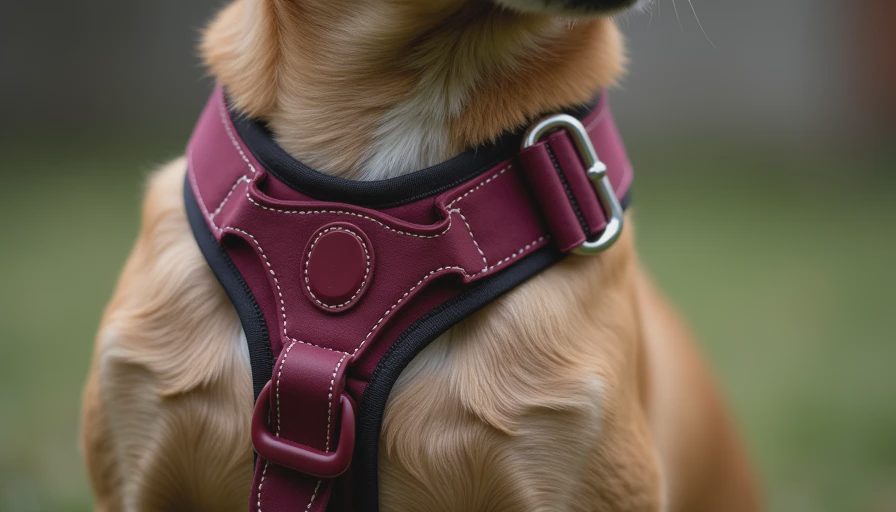
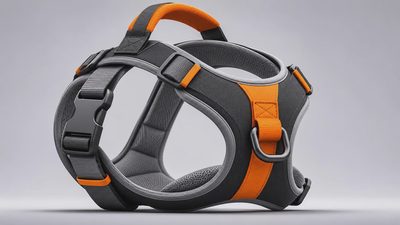
For everyday walks, look for wide, smooth straps, sturdy stitching, adjustable points, and hardware that does not feel flimsy. A front-clip design can give you more steering control when a dog pulls, while a back clip is often comfortable for relaxed walking. Some products offer both positions. Avoid choosing only by color or a cute product photo. A harness that rubs behind the front legs can turn every outing into an uncomfortable event.
Measure your dog according to the manufacturer’s instructions, usually around the deepest part of the rib cage. If your dog is between sizes, compare the adjustment range rather than guessing. A 30-pound beagle and a 30-pound compact terrier may need very different shapes. The best fit leaves room for two fingers under the straps without allowing the dog to reverse out of it.
How to fit and introduce the harness
Fitting a dog with harness gear should take more than thirty seconds at the front door. Start by placing the harness on the floor and dropping a few small treats beside it. Let your dog investigate. If they back away, move the harness farther away and reward any glance, step, or sniff toward it. That was information, not failure.
Next, touch the harness lightly to the shoulder, reward, and remove it. Repeat until your dog stays loose. Then guide the head or legs through the correct opening, depending on the design, and reward immediately. Fasten one buckle, offer another treat, and take it off after a few seconds. Build from five seconds indoors to several minutes while your dog eats dinner, plays, or rests.
Check the skin after the first few short sessions. Redness, missing fur, or repeated scratching means the fit or design needs attention. Do not wait for a full neighborhood walk to discover that a strap pinches. Practice with the leash attached inside your home, then in a hallway, driveway, or quiet patch of sidewalk.
Teach walking instead of expecting the harness to do it
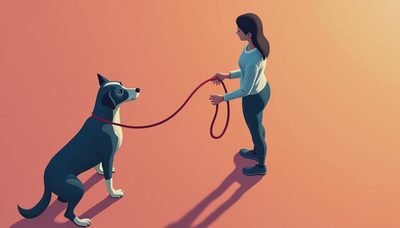
A dog with harness equipment still needs to learn what leash pressure means. Begin in a boring location with pea-sized treats. When your dog looks toward you, mark the moment with a calm “yes” and deliver the treat near your leg. Take one step. If the leash stays loose, reward again. Then take two steps, turn gently, and reward your dog for choosing to follow.
If your dog pulls toward a tree, do not drag them backward or jerk the leash. Stop, soften your arms, and wait for even a small release of tension. When the leash loosens, move toward the tree as the reward. This teaches that a loose leash makes the interesting thing accessible. In another moment, you can walk away and reward your dog for coming with you.
Keep early sessions short. Five focused minutes can teach more than a forty-minute march filled with repeated frustration. Choose a route with escape options, such as a wide street or quiet parking area. Train the dog in front of you, not the imaginary version who slept through the night and never noticed a rabbit.
Troubleshooting pulling, barking, and sudden reactions
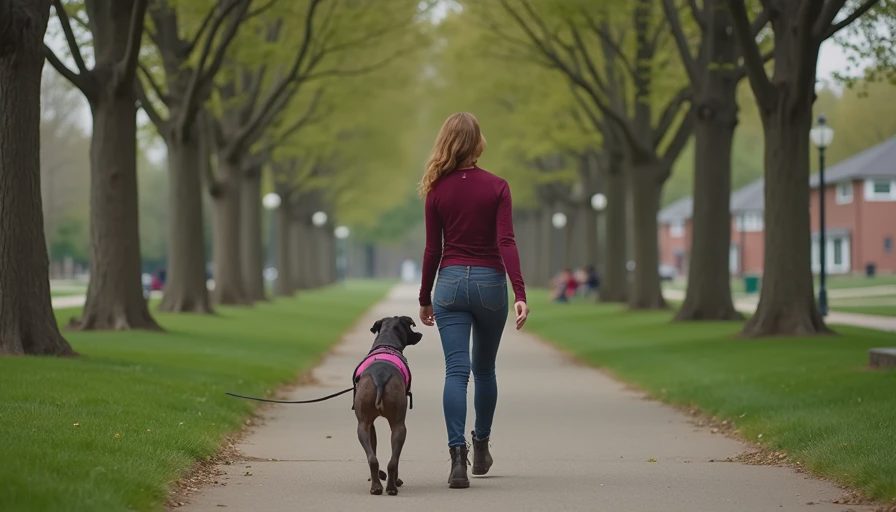
A dog with harness gear may pull harder when the environment is too exciting. That does not mean the equipment failed. It means the difficulty is above your dog’s current skill level. Create more distance from the trigger, turn down a quieter street, or scatter a few treats on the ground so your dog can sniff and reset. Sniffing is not a bribe or a distraction from training; it can be a practical way to lower the intensity of a walk.
For a dog who barks at other dogs, start far enough away that they can still eat and respond to their name. The instant they notice the other dog, feed several treats, then move away before the barking begins. Repeat over many ordinary outings. Do not force greetings, tighten the leash dramatically, or punish warning signals. A certified positive-reinforcement trainer can help when lunging is powerful, frequent, or difficult to manage safely.
A back-clip harness may give a strong puller more leverage, while a front-clip option can provide additional guidance. Neither should be used to haul a dog around. If your dog repeatedly escapes, use a properly fitted safety backup, such as a connector from the harness to a secure collar, and replace worn equipment.
Build a routine that works on an ordinary Tuesday
The most successful dog with harness routine is usually boring. Keep the harness, leash, treats, and waste bags together near the exit. Before leaving, spend one minute rewarding eye contact and calm standing. Outside, begin with a sniff break instead of demanding a perfect heel. Walk for a manageable distance, practice three or four loose-leash steps, and return home before everyone is exhausted.
Pepper improved when I stopped measuring success by how far we traveled. A successful walk became one where she recovered after seeing a skateboard, checked in with me twice, or passed one driveway without pulling. Milo, my beagle mix, needed even more time because every scent was breaking news. Progress has four paws and a messy middle.
When to change equipment or ask for help
Replace a harness when buckles crack, stitching frays, or the fit changes after weight loss or growth. Recheck the fit seasonally and after grooming. If your dog shows pain, limps, coughs, freezes in the harness, or develops skin irritation, stop using that setup and speak with your veterinarian.
If walks include intense lunging, redirected biting, repeated escape attempts, or fear that prevents your dog from eating, professional guidance is a sensible next step. Look for a certified trainer who explains behavior clearly and uses reward-based methods. You do not need a perfect dog or a perfect schedule. Pick one quiet location, five treats, and one small goal for today. That is enough to begin.


Letters
No letters yet — be the first to write.