
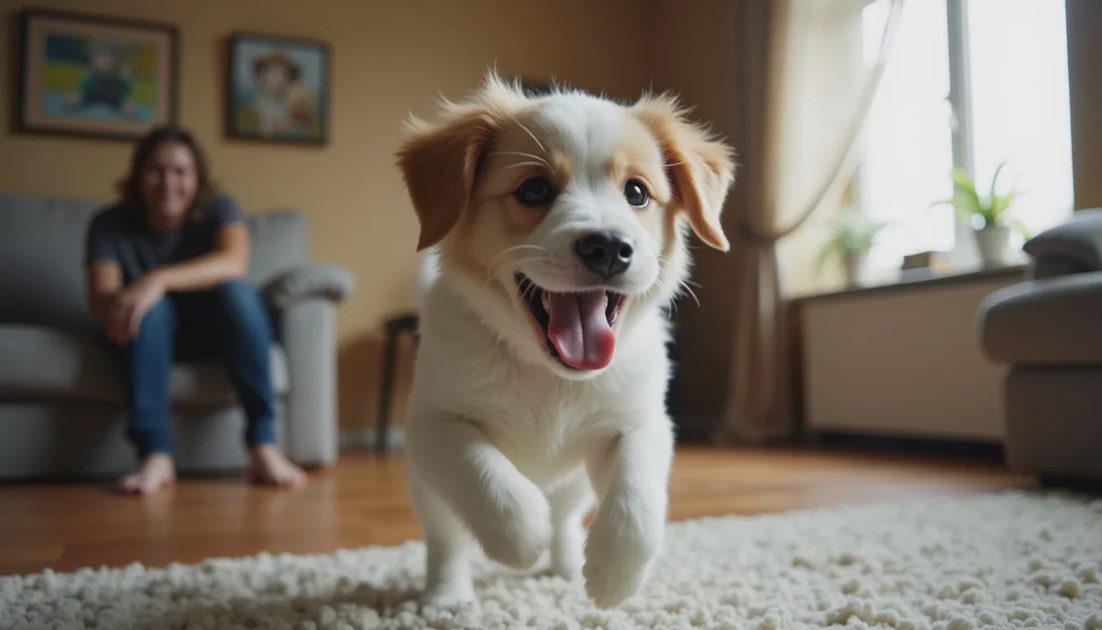
I used to believe the solution to an over-excited dog was more exercise.
If Pepper was bouncing off the walls, I would take her for a longer walk or add a vigorous play session. Sometimes it helped for twenty minutes. Often she came home more amped than before, and the evening felt even harder.
I was confusing physical fatigue with emotional calm. They are not the same state, and they do not produce the same result.
The Difference That Matters
Physically tired means the dog has used energy. They may pant, lie down temporarily, or slow their movement.
Calm means the dog can settle, take in the environment without constant scanning, and shift into a resting state. Calm has a mental and emotional component that exhaustion alone does not create.
A dog can be tired and still unable to settle. A dog can also be relatively calm without having been run to the point of fatigue. When we treat exhaustion as the primary path to calm, we often end up with a dog who is both tired and still wired.
Why “Just Tire Them Out” Often Backfires
Intense exercise and play raise arousal. For some dogs, especially those already prone to excitement or anxiety, that arousal does not automatically convert into rest. Instead you get:
A dog who is tired but still wired
Increased difficulty settling in the house
A pattern where the dog needs more and more activity to reach the same temporary quiet
Evenings that feel harder after the “big exercise” session
This is why some dogs seem to “never get tired” no matter how long the walk is. The issue is not a lack of physical output. The issue is that the nervous system has not been given practice or conditions that support downshifting.
What Actually Helps Build Calm
Calm is built through practice and through environments that allow the nervous system to downshift. Useful pieces include:
A taught settle or place behavior
Predictable downtime after activity
Lower-intensity enrichment (sniffing, chewing, licking) that does not spike arousal
Avoiding constant high-excitement play as the only outlet
Short training sessions that end with the dog still able to think
Exercise still matters for physical health and species-appropriate activity. It just cannot be the only tool used to produce household calm. When exercise is the sole strategy, the dog never learns how to settle—they only learn how to collapse temporarily after being run hard.
A More Balanced Daily Approach
Instead of asking “How do I tire this dog out?”, I now ask:
Has the dog had a chance to sniff and move at a natural pace?
Has the dog practiced settling in the house today?
Have I included some lower-arousal activities (chew, find-it games, quiet companionship)?
Is the dog getting enough actual rest, or are we keeping the arousal high all day?
The combination produces a more settled dog than exercise alone ever did for us. Physical activity meets one set of needs. Deliberate calm practice meets another.
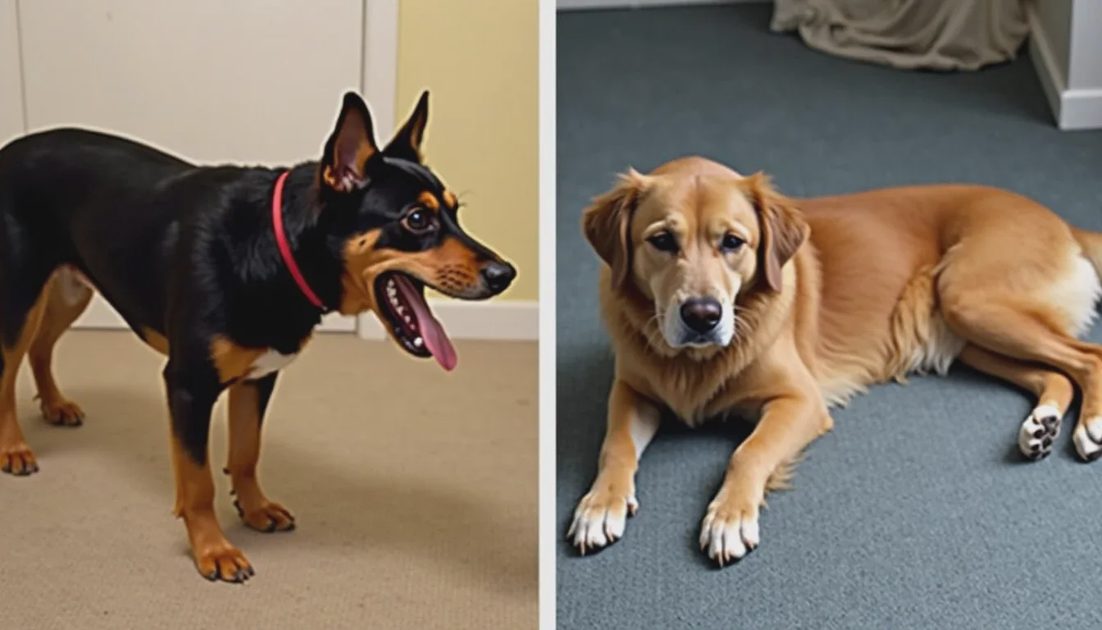
Signs You May Be Relying Too Heavily on Exhaustion
The dog only settles after extreme exercise and still only for a short time
Evenings become harder after intense play sessions
The dog seems to need progressively more activity to reach the same level of quiet
Training and settling skills are rarely practiced in a non-exhausted state
The household rhythm depends on the dog being “worn out” before anyone can relax
If these sound familiar, it may be time to add deliberate calm practice rather than only adding more physical work. The dog is not failing to get tired enough. The dog has not yet been taught and given the conditions to be calm.
How to Begin Building Calm Without Relying on Exhaustion
Start with short, easy settle sessions on a mat or bed while the household is relatively quiet. Reward the dog for lying down and remaining there for a few seconds at first. Gradually add mild movement around the dog. Keep the sessions short and successful.
Pair this with lower-intensity enrichment: a stuffed Kong, a chew, or a short sniff walk at a natural pace. These activities provide outlets without driving arousal as high as intense fetch or rough play often do.
Over time the dog learns that settling is a viable and reinforced option, not just something that happens after they have been completely depleted.

Why This Distinction Changes Daily Life
When I stopped using exhaustion as the primary strategy, evenings became more predictable. Pepper still got physical exercise and sniffing opportunities, but she also had a practiced way to rest. The household no longer depended on her reaching a state of near-collapse before anyone could sit down.
The same shift helps with guests, training sessions, and ordinary transitions throughout the day. A dog who can settle is easier to live with than a dog who can only be quiet after maximum output.
Final Thought
A tired dog is not automatically a calm dog. Calm is a skill and a state that needs its own practice. When we stop using exhaustion as the primary strategy and start teaching the dog how to settle, the household becomes quieter in a more sustainable way.
Progress has four paws and a messy middle. Sometimes the missing piece is not more exercise—it is permission and practice for the dog to be still.



Letters
No letters yet — be the first to write.