
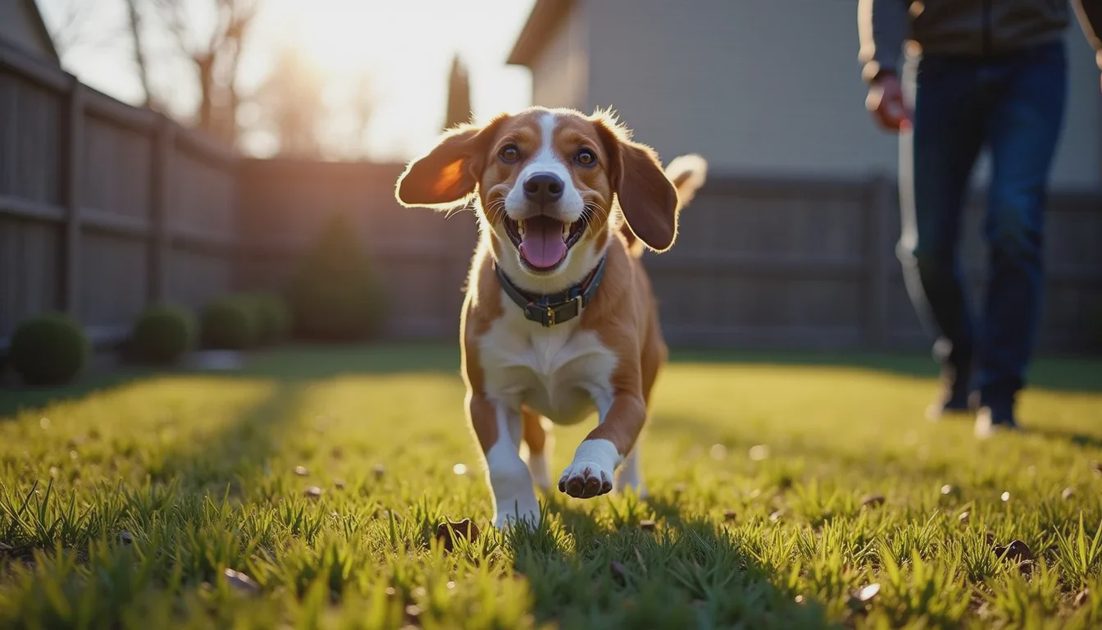
I still remember the exact afternoon.
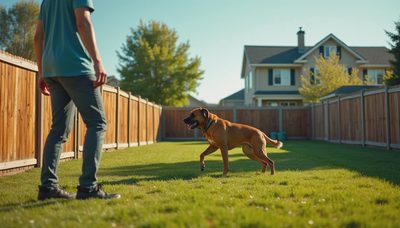
Milo was at the far end of the yard, nose down in something interesting. I called him once. He lifted his head, turned, and ran all the way to me. I paid him well. Then I stood there for a second thinking, “It finally worked.”
It felt like a breakthrough. In reality it was the visible result of a lot of unglamorous, repeated work that had been happening for weeks. The success was not magic. It was the point where the balance of reinforcement tipped in my favor for that moment.
What Had Been Happening Before That Day
For a long time, recall with Milo was inconsistent. He would come when there was nothing better to do. The moment a smell, a sound, or the possibility of running the other direction appeared, my cue became optional.
I had been making several classic mistakes:
Calling him only when I needed him to come (often when he was already engaged with something else)
Repeating the cue when he did not respond
Using the same average treats in the backyard that I used in the kitchen
Letting him rehearse ignoring the cue without consequence for the training
Each of those choices taught him something, just not what I wanted. Every ignored recall strengthened the pattern of “coming is optional.” Every repeated cue taught him that the first call did not really count.
The Changes That Actually Built the Behavior
I stopped treating recall as a single cue I could use anywhere and started treating it as a skill that needed deliberate construction.
1. I practiced when I did not need him
Short, easy recalls in low-distraction moments with high rates of reinforcement. The cue started to predict good things instead of “the fun is over.” This was one of the biggest shifts. Recall stopped being an interruption and started being a game that paid well.
2. I raised the value of coming back
Higher-value food, occasional play, and sometimes the chance to go back out and sniff again after he came. Coming to me had to compete with the environment. Average kitchen treats were not enough once the backyard offered interesting smells and the possibility of freedom.
3. I used a long line
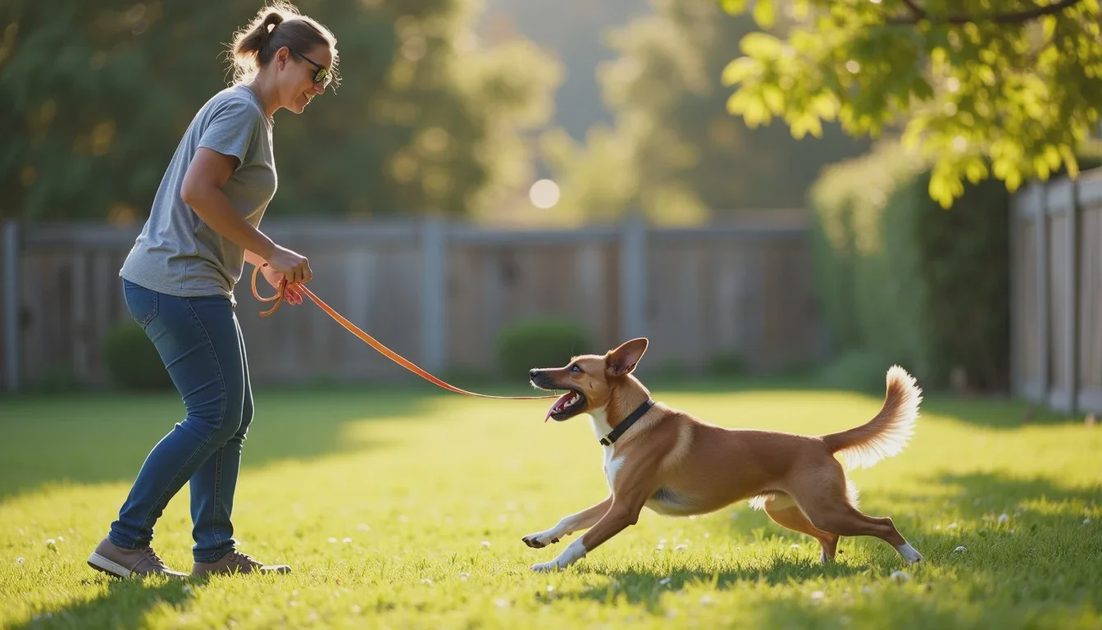
This prevented him from rehearsing full ignored recalls while still giving him room to move. I could gently guide him in if needed without turning it into a chase. The long line protected the cue while the reinforcement history was still being built.
4. I ended sessions before they fell apart
Early success mattered more than long, frustrating practice. I stopped while he was still responding well instead of continuing until the behavior deteriorated.
Why That Particular Day Worked
By the time of the “breakthrough” recall, several things were already true:
Milo had a strong recent history of being paid for coming
The distraction level in that moment happened to be within what he could handle
I called once and did not dilute the cue with repetition
I reinforced heavily when he arrived
The behavior looked sudden. The foundation was not. Weeks of short, successful, high-value practice had shifted the balance. On that afternoon the numbers finally tipped in favor of coming when called.
What I Tell People Who Are Waiting for Their Own “Magic” Day
Reliable recall is almost never installed in one session. It is the result of many small, successful repetitions that gradually outweigh the dog’s competing interests. The day the dog comes flying back from a distraction is usually the day the previous work becomes visible, not the day the work began.
If you are still in the phase where the dog only comes sometimes, that does not mean the training is failing. It means the balance has not tipped yet. Keep making coming to you valuable, keep the practice clean, and protect the cue from being ignored.
Many owners abandon the process right before the shift becomes obvious because the early stages feel slow and unimpressive. The unimpressive stages are where the real work happens.
A Simple Framework That Helped Me
Build the behavior in easy conditions first
Pay better than the environment whenever possible
Prevent rehearsals of ignoring the cue (long line, management)
Only increase difficulty when the dog is succeeding at the current level
Treat each successful recall as information that the current setup is working
This framework kept me from jumping ahead and from taking the slower days personally. It also gave me a clear way to troubleshoot when the behavior slipped: go back to an easier level, raise the value, protect the cue, and rebuild.
How the Breakthrough Changed the Way I Train
After that afternoon I stopped looking for magic moments and started looking for patterns. I paid more attention to the quality of the practice that preceded any good response. I became more willing to stay at an easy level longer and less willing to risk rehearsing non-response.
The same principle applies to almost every skill. The visible success is usually the result of many invisible repetitions that made the success possible. Waiting for the dramatic moment without doing the ordinary work is a reliable way to stay stuck.
Final Thought
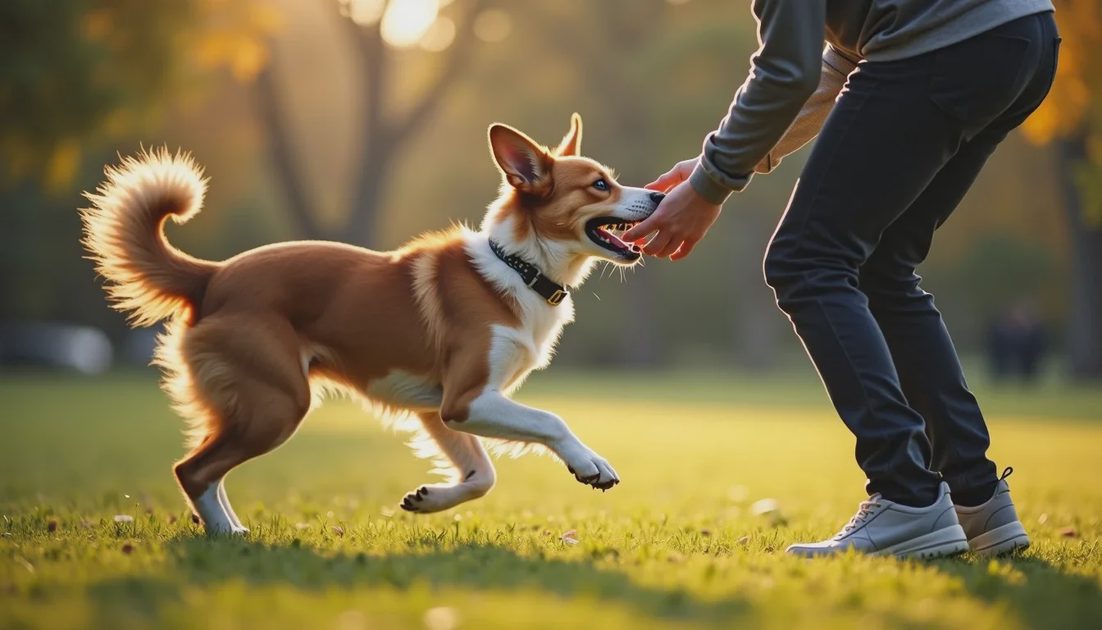
Milo’s first truly impressive recall felt like a gift. Looking back, it was payment for a lot of ordinary, repeated effort. Most training breakthroughs work the same way. They look sudden from the outside and earned from the inside.
Progress has four paws and a messy middle. The messy middle is where the real work happens—long before the day the dog finally comes when called. Keep the sessions short, the rewards high, and the cue clean. The day it looks like magic is usually just the day the previous work becomes visible.


Letters
No letters yet — be the first to write.