
If you have watched your dog twitch, whimper, paddle their paws, or make tiny running noises in bed, you have probably wondered: what do dogs dream about? The honest answer is that we cannot ask them when they wake up. However, sleep research and everyday observation give us a useful picture. Dogs appear to dream about familiar experiences, including exploring, playing, eating, chasing, sniffing, and spending time with their people.
That does not mean every paw twitch is a dramatic dream. Sometimes a dog is shifting position, responding to a sound, or moving through a lighter stage of sleep. Still, those little sleep movements are usually normal, especially when your dog wakes easily, acts comfortably afterward, and follows a familiar daily routine.
What happens in a dog’s sleep cycle?
Dogs move through several sleep stages, much like people do. They often begin with relaxed, lighter sleep before their breathing becomes slower and their muscles loosen. Later, they can enter rapid eye movement, or REM, sleep. REM sleep is the stage most strongly associated with vivid dreaming in humans, and researchers believe dogs experience dream activity during it as well.
During REM sleep, you might notice closed eyelids fluttering, whiskers moving, ears flicking, or paws making short running motions. Your dog may also sigh, quietly whine, bark once, or move their mouth as if chewing. These actions can look intense, but they are usually brief and harmless.
Puppies and young dogs may move more during sleep because their brains are still developing and they spend a lot of time processing new experiences. Older dogs also need substantial rest, although their sleep patterns can change with age, discomfort, hearing loss, or other health problems.
What do dogs dream about in everyday life?
What do dogs dream about? Most likely, the ordinary details that fill their waking hours. A dog who spent the afternoon sniffing every shrub on a neighborhood walk may replay parts of that experience. A puppy who practiced sitting for chicken treats may dream about food, your hand signals, or the exciting sound of the treat bag.
Researchers cannot identify a dog’s exact dream storyline, but studies of animal sleep support the idea that animals process memories while resting. Dogs have individual personalities and routines, so their dream content probably differs too. A retriever might dream about carrying a favorite ball. A beagle may revisit a fascinating scent trail. My cattle-dog mix, Pepper, looks as though she is organizing an imaginary border patrol whenever her paws start working in her sleep.
These dreams are not evidence that a dog understands the past exactly as a person does. It is safer to say that the brain may be sorting memories, emotions, and sensory information. That explanation fits what we see without pretending we can translate every sleepy whimper.

Why do dogs twitch, bark, or run in their sleep?
Sleep movements can come from normal brain activity during REM sleep. A dog may twitch one foot, make a soft noise, or move all four legs for a few seconds. Some dogs are quiet sleepers, while others look like they are completing a full agility course under the blankets.
A small bark does not automatically mean your dog is having a nightmare. It could reflect excitement, a familiar sound from the day, or simple vocal activity during sleep. Likewise, a wagging tail does not prove a happy dream. We can observe physical signs, but we cannot reliably assign a human emotion to every movement.
Try not to wake a sleeping dog by touching them suddenly. Even a gentle dog can startle and snap when pulled abruptly from a vivid sleep. If you need to wake them, use your voice from a little distance or make a mild household sound. Give them a moment to become fully alert before reaching toward their face.
Can dogs have nightmares?
Dogs can show signs of distress during sleep, and it is reasonable to wonder whether they have nightmares. A dog with a difficult history might have more unsettled sleep, but there is no reliable way to know whether a specific movement represents a nightmare. Whining, trembling, or rapid breathing can also happen because of temperature, pain, illness, or a noisy environment.
If your dog seems distressed, do not punish or force them awake. Keep the room quiet, speak softly, and let them wake naturally when possible. Afterward, offer a calm routine rather than a frantic fuss. A drink of water, a potty break, and a familiar resting place may be enough.
Contact a veterinarian if sleep episodes become frequent, last unusually long, involve stiffening or violent movements, or are followed by confusion, weakness, loss of bladder control, or trouble walking. Those signs can point to something other than ordinary dreaming, including a seizure or medical problem. A short phone video can help your veterinarian understand what you observed.
What do dogs dream about after training or stressful days?
What do dogs dream about after a busy day? Their sleep may reflect the amount and type of stimulation they received. A dog who attended a reward-based training class, explored a new trail, and greeted several people has a lot to process. That dog may sleep deeply and move more than usual.
Mental work can be tiring, but nonstop excitement is not the goal. A puppy who spent two hours at a crowded dog park may be overtired rather than happily fulfilled. The same is true for a nervous adult dog exposed to too many unfamiliar sounds or visitors. Watch the whole dog: relaxed muscles and a normal appetite suggest ordinary recovery, while pacing, hiding, diarrhea, or inability to settle suggests the day was too much.
Build in quiet decompression after exciting activities. Lower the lights, provide a comfortable mat, and skip demanding training for a while. Training the dog in front of you includes noticing when rest is the most useful lesson.

How much sleep does a dog need?
Sleep needs vary by age, size, health, and lifestyle. Puppies commonly sleep much more than adult dogs, sometimes in many naps across the day. Adult dogs often rest for a large portion of each twenty-four-hour period, while senior dogs may need additional downtime. Working or highly active dogs still require recovery; exercise does not replace sleep.
A healthy sleep routine starts with comfort. Give your dog a bed that supports their body, keep the area away from constant foot traffic, and make sure the room is not too hot. Consistent meal, walk, play, and quiet times can help a dog settle. If your dog sleeps in a crate, the crate should be a safe resting space, never a place for punishment.
Sudden changes matter more than comparing your dog with an internet video. A dog who normally naps comfortably but now wakes every few minutes, pants at night, or refuses to lie down deserves attention. Pain, anxiety, medication changes, and age-related conditions can all disrupt rest.
A simple way to respond to strange sleep behavior
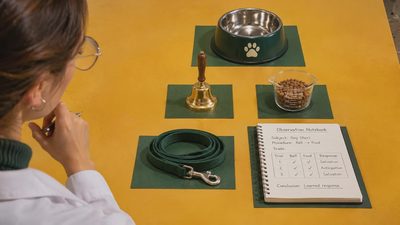
When you notice unusual sleep activity, write down three things: what happened before sleep, what the movement looked like, and how your dog acted afterward. Note whether there was a new treat, a long walk, a stressful visitor, or a change in medication. This turns a scary moment into useful information.
For most brief twitching, soft vocalizing, and paw movement, leave your dog undisturbed and watch from a safe distance. Keep the next day predictable and offer normal enrichment at a manageable level. If episodes repeat or your dog seems unwell while awake, call your veterinarian instead of trying to interpret the dream yourself.
So, what do dogs dream about? Probably pieces of their real lives, filtered through a canine brain: scents, movement, food, play, familiar people, and emotional experiences. We may never know whether Pepper is dreaming about a squirrel or a particularly serious backyard inspection. We can still protect her sleep, respect her body language, and treat every odd little twitch as information, not failure. Progress has four paws and a messy middle.

Letters
No letters yet — be the first to write.