
Dog separation anxiety can turn an ordinary trip to the mailbox into barking, scratching, pacing, or a stressed dog waiting by the door. It is also exhausting for the person who feels trapped by every errand. The good news is that this behavior is information, not a character flaw. Your dog is having trouble being alone, and you can build that skill in small, manageable pieces.
What dog separation anxiety can look like
Some dogs begin struggling before you leave. They follow you from room to room, watch your hands for keys, or become restless when you put on shoes. Others seem fine until the door closes. Then they may bark continuously, howl, chew window frames, scratch doors, urinate indoors, drool heavily, or try to escape a crate or room.
Those signs do not automatically prove dog separation anxiety. A dog might vocalize because of outside noise, insufficient exercise, confinement distress, pain, age-related confusion, or a need to eliminate. A puppy who chews a baseboard may simply need better management and more appropriate chewing options. Context matters, so record a short video when you leave if it is safe to do so. A camera can show whether the behavior begins immediately, follows a predictable trigger, or settles after a few minutes.
Avoid interpreting destruction as revenge. Dogs do not damage a door to teach you a lesson about leaving. They are responding to an emotional problem, and punishment after you return can make the next departure harder. If your dog injures a mouth or paw, cannot eat, vomits, or repeatedly attempts escape, contact a veterinarian promptly.

Start with management, not a dramatic test
The first goal is to prevent your dog from rehearsing full panic whenever possible. If leaving for eight hours regularly produces a meltdown, begin by arranging help while you train. A trusted friend, family member, dog walker, sitter, or carefully selected daycare can reduce the pressure. Daycare is not ideal for every dog, especially one who becomes overwhelmed around groups, but a quiet in-home visit may work well.
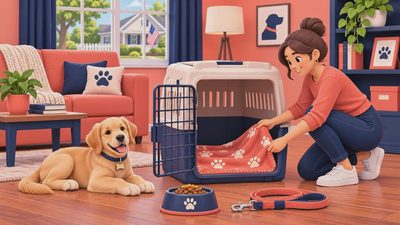
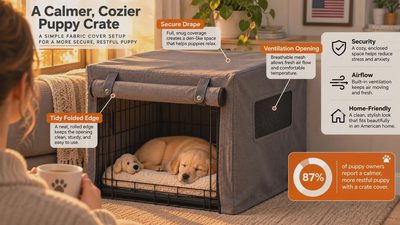
Management is not giving up. It is similar to using a ramp instead of asking an injured person to run stairs. Keep departures boring and predictable. Offer a safe food toy only if your dog already enjoys it while you are present. Close curtains if outdoor movement triggers barking, and use white noise to soften hallway sounds. Crating is useful for dogs who genuinely relax in crates, but it should not be used as a solution for a dog who panics when confined.
Before training, schedule a veterinary examination if the behavior is new, intense, or paired with physical changes. Pain, urinary problems, gastrointestinal illness, medication changes, and cognitive decline can affect behavior. A veterinarian can also discuss whether medication support is appropriate. Medication does not replace training, but for some dogs it lowers distress enough for learning to become possible.
Build alone time below the panic point
Training dog separation anxiety usually means starting much smaller than people expect. If your dog becomes upset when you walk to the front door, begin by standing up and sitting back down. Reward relaxed behavior with a small treat or calm praise. Next, touch the doorknob without opening the door. Then open it an inch, close it, and return to normal household activity.
The important detail is your dog’s response. You want relaxed breathing, a soft body, and the ability to eat or notice you without frantic following. If your dog rushes the door, whines, pants, or stops taking food, the step was too large. That was information, not failure. Make the next repetition easier.
Progress might mean one second outside, then five seconds, then thirty seconds. It does not require a straight line. Practice several short sessions rather than one exhausting session. Return before panic begins, and change the duration so your dog does not learn that every departure lasts exactly the same amount of time. You might practice stepping outside three times during a coffee break, then finish with an easy success.

Make departure cues less powerful
Many dogs learn that keys, shoes, a work bag, and a particular jacket predict a long absence. Those cues can become stressful on their own. To soften them, practice picking up your keys and putting them down while you remain home. Put on your shoes to wash dishes. Carry your bag to the couch, read for five minutes, and then set it aside.
Pair these harmless repetitions with something your dog enjoys, but do not make every cue lead to an exciting food event. The goal is to make the signal ordinary again. If your dog races to the door when you touch your keys, begin by moving the keys only a few inches. Train the dog in front of you, not the imaginary calm dog from a training video.
Keep greetings and returns low-key without becoming cold. Walk in, put down your belongings, and give your dog a moment to settle before starting a big interaction. This is not about withholding affection. It simply makes arrivals less like an emotional earthquake and gives your dog a predictable routine.
What to do on a busy workday
Real life will not always match your training plan. You may have a meeting, a medical appointment, or a commute that cannot be shortened. On those days, prioritize prevention. Arrange a midday visit, bring your dog to a trusted caregiver, or ask someone to stay in the home during the longest absence. A simple weekly calendar can reveal where the difficult stretches occur.
Create a departure checklist that takes less than five minutes. Provide a bathroom opportunity, confirm that water is available, remove unsafe items, close the blinds if needed, and start the camera. Leave without repeated goodbyes or emotional promises. When you return, check the recording before deciding how the session went. A dog who was quiet but paced constantly may still have been struggling.
Do not rely on tiring your dog into submission. A sniffing walk, food puzzle, or short training game can help meet needs, but extreme exercise does not cure dog separation anxiety. An overtired or sore dog may be less able to cope. Aim for a balanced routine that includes rest, enrichment, predictable meals, and gentle social contact.
When professional support makes sense
A qualified reward-based trainer or veterinary behavior professional can help when progress stalls, the behavior is severe, or your dog cannot tolerate even a few seconds alone. Look for someone who explains the plan clearly and avoids dominance claims, intimidation, shock, or flooding. A good professional should ask about medical history, daily schedule, confinement, sleep, exercise, and exactly what happens before and after departures.
Treatment for dog separation anxiety often takes weeks or months, depending on severity and how consistently absences can be managed. A professional may help design gradual departure sessions and coordinate with your veterinarian. Be cautious of anyone promising a guaranteed cure in a weekend. Fast promises usually ignore the dog’s actual threshold.
You do not need a perfect house or an empty calendar to begin. Today, record one short departure, identify the earliest sign of stress, and practice one easier step later. Celebrate a calm pause, even if it lasts only two seconds. Progress has four paws and a messy middle, and calmer alone time is built from those small, repeatable wins.

Letters
No letters yet — be the first to write.