
A dog bite can happen in a home that otherwise feels loving and ordinary. A child reaches toward a resting dog, a visitor leans over the couch, or a dog feels trapped beside a food bowl. Dog bite prevention is not about labeling a dog as bad. It is about noticing communication earlier, changing the setup, and teaching safer ways to handle everyday pressure. I have missed signals with my own dogs, especially during busy evenings, and the useful response is not shame. It is information.
Read the warning before the snap
Dogs often communicate discomfort before using their teeth. A dog may turn away, lick their lips, yawn, freeze, lower their head, pin their ears back, tuck their tail, stare hard, or move behind a person. Growling is also communication. Punishing a growl can remove the warning without removing the underlying fear, which can make a future dog bite feel more sudden.
Watch the whole dog rather than relying on one signal. A wagging tail does not always mean relaxation; a high, stiff wag can appear during excitement or tension. If your dog becomes still when someone reaches for a collar, stop the reach and create space. Invite the dog away with a treat instead of forcing contact. Train the dog in front of you, not the imaginary easygoing dog you hoped would appear.
For today, choose one early signal you have seen and write it in your phone. The next time it appears, pause the interaction immediately. That small habit can protect everyone while giving your dog a clearer experience.
Manage the situation before training it
Training works best when a dog is under threshold, meaning they can still notice you, eat a treat, and make a choice. A dog already cornered by a toddler, stranger, or visiting dog is not in a good learning session. Management is not giving up; it is preventing rehearsal of the behavior while you build skills.
Use baby gates, closed doors, a crate your dog already enjoys, or a quiet room during deliveries and parties. Keep a leash attached only when you are actively supervising, and never leave a dog tethered where they can become tangled or approached. Ask visitors to ignore the dog at first. No reaching, hugging, eye contact, or excited greetings. Toss treats away from the visitor so the dog can move freely instead of feeling pulled into contact.
Food and valued objects need management too. Feed dogs separately if meals create tension. Pick up high-value chews before children enter the room, and teach everyone that a dog resting in a bed is not available for touching. Many dog bite incidents are preventable environmental problems, not obedience problems.
Teach skills that create space
A reliable “go to mat” cue gives your dog a predictable place during dinner, repairs, or guests. Start with the mat beside you when the room is quiet. Reward looking at it, stepping toward it, and eventually lying down. Keep sessions to two or three minutes. Add distractions one at a time, and lower the difficulty when your dog gets up repeatedly.
A cheerful recall can also move a dog away from trouble. Practice indoors by saying the dog’s name, taking a few steps backward, and rewarding them with chicken, cheese, or a favorite toy. Do not call them for unpleasant events every time, such as nail trimming or the end of every walk. If you need to move a dog immediately, use a treat scatter or a familiar hand target rather than grabbing their collar.
For handling, pair brief touches with food. Touch a shoulder, feed, and stop. Later, touch a paw for one second, feed, and stop. A dog bite during grooming or veterinary care can reflect pain, fear, or confusion. Cooperative care takes repetition, and a veterinarian should investigate sudden sensitivity.
What to do after a dog bite
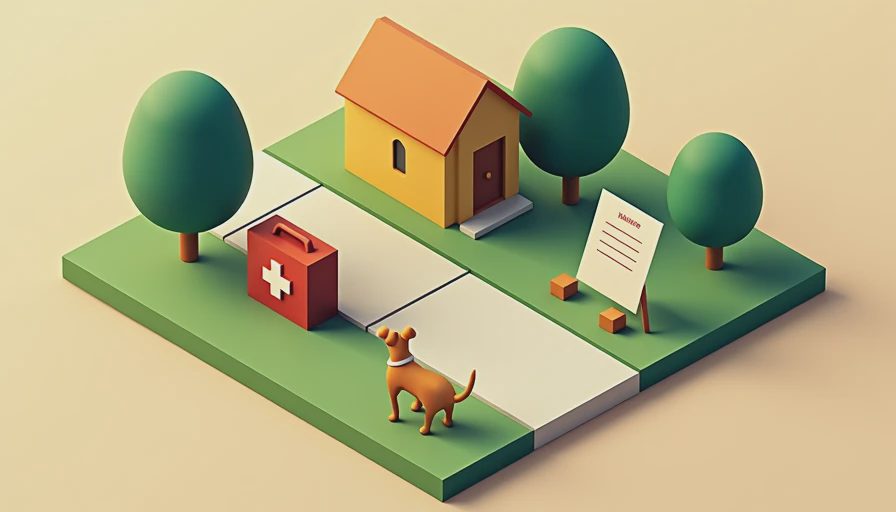
If skin is broken, separate the dog and person calmly. Put a barrier between them, secure the dog in a safe room, and attend to the injured person. Wash a minor wound with soap and running water, then seek medical advice, particularly for punctures, facial wounds, hand injuries, heavy bleeding, or signs of infection. A medical professional can advise about tetanus protection and other treatment.
Write down what happened while details are fresh: location, people present, what the dog was doing, what happened immediately beforehand, and where the bite landed. Avoid posting a dramatic account online or immediately confronting anyone. Contact your veterinarian for a health check and behavior referral. Pain, dental problems, arthritis, illness, or medication changes can affect behavior.
Local reporting requirements differ, so contact animal control or your local public health department for guidance. Be honest about the event. Clear information helps officials and professionals recommend appropriate safety steps. Do not arrange another test encounter to see whether the dog will do it again. That experiment can create another injury.
Choose professional help carefully
Look for a certified behavior consultant or trainer who uses reward-based methods and can explain the plan in plain language. The Certification Council for Professional Dog Trainers and the International Association of Animal Behavior Consultants are useful places to begin a search. A veterinary behaviorist may be appropriate when fear, aggression, pain, or medication needs are involved.
Be cautious with anyone promising a guaranteed cure, insisting every problem comes from dominance, or recommending intimidation, painful corrections, or flooding the dog with the thing they fear. A muzzle can be an excellent safety tool when introduced gradually with treats, but it should not be used to force close contact or ignore the dog’s distress. The goal is not to make a dog look quiet for one afternoon. The goal is a safer routine that people can repeat.
Expect progress to be uneven. Pepper once barked at a visitor after several calm greetings, and my first reaction was to call the session a failure. It was not. That was information, not failure: the visit had gone on too long. We shortened future greetings and gave her a quiet break.
Build a household plan
Everyone who lives with the dog should use the same rules. Decide who handles meals, where the dog rests, and what happens when the doorbell rings. Post three simple instructions on the refrigerator: give the dog space while eating, never climb onto or hug the dog, and call an adult when the dog leaves or freezes during interaction.
Review the plan after a week. Are visitors following it? Is the dog getting enough sleep? Are walks, enrichment, and quiet time balanced? A snuffle mat, scatter feeding in the yard, or five minutes of scent work can lower boredom without turning the day into a training marathon. If the dog is repeatedly showing fear or threatening behavior, increase management and contact a qualified professional rather than waiting for another dog bite.
You do not need a perfect house or a perfectly trained dog to begin. Put one gate in place, learn one warning signal, and practice one way to create distance. Progress has four paws and a messy middle, but safer choices can start today.



Letters
No letters yet — be the first to write.