

I used to leave rough training sessions feeling defeated.
The dog stopped responding. The plan I had in my head fell apart. I repeated cues. The dog wandered off, got over-aroused, or simply checked out. I would close the notebook and think, “We got nothing done today.”
That reaction missed the most valuable part of the session.
A training session that does not go according to plan is still full of information. The dog is telling you something clear about difficulty, clarity, motivation, or emotional state. Once I started treating those sessions as data instead of personal failure, training became less emotional and far more effective.
What “Failure” Usually Looks Like in Real Life
Most of us recognize the pattern immediately:
The dog suddenly stops taking food
The dog repeatedly offers the wrong behavior
The dog leaves the training area or disengages
The dog becomes frantic or shuts down
You hear yourself repeating the cue with more intensity or frustration
Each of these is information, not proof that the dog is stubborn or that you are bad at training. The dog is responding honestly to the conditions you set up.
The Questions Worth Asking After a Rough Session
Instead of the automatic question—“Why won’t my dog listen?”—try these instead:
1. Was the task too hard for the current environment?
Distance, duration, distraction level, and the dog’s energy all change difficulty. A behavior the dog can do easily in the living room may fall apart on the sidewalk or when another dog appears.
2. Was the cue clear and previously taught in this context?
A cue the dog knows in one setting does not automatically transfer. If you have never practiced it with that level of distraction, the dog may simply not recognize the request yet.
3. Was the reward valuable enough for the difficulty?
What works at home often fails to compete with real-world distractions. A sudden drop in engagement is frequently a reward-value problem, not a motivation or attitude problem.
4. What was the dog’s body language saying?
Tight muscles, closed mouth, scanning, inability to take food, or frantic movement usually mean the dog is over threshold. Continuing to ask for work at that point rarely produces learning.
5. Did I change criteria too quickly?
Jumping ahead in distance, duration, or distraction is one of the most common reasons sessions collapse. The dog was succeeding at the previous level; the new level was simply too big a leap.
A Real Example With Milo
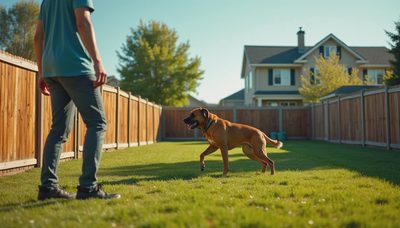
I once decided to practice recall in the backyard on a day when two neighbors were talking over the fence and a squirrel was active in the tree. Milo came the first time. The second time he started toward me and then veered away. By the third attempt he was no longer responding to his name at all.
My old reaction would have been frustration and more repetition. The more useful reading was straightforward:
The environment had become too difficult.
I had already used up the easy successes.
Continuing to call him was only practicing non-response.
I ended the session, lowered criteria the next day (longer line, higher-value reward, quieter time), and the behavior returned quickly. The “failure” had told me exactly what to adjust.
How to End a Failing Session Cleanly
You do not have to push through until something good happens. A clean exit is often the better choice:
Ask for one very easy behavior the dog can succeed at right now.
Reward it well.
Release the dog and move on with your day.
This protects the dog’s willingness to engage next time and keeps you from rehearsing frustration. Ending on a small success is more valuable than forcing a recovery that never quite arrives.
Turning the Information Into a Better Next Session
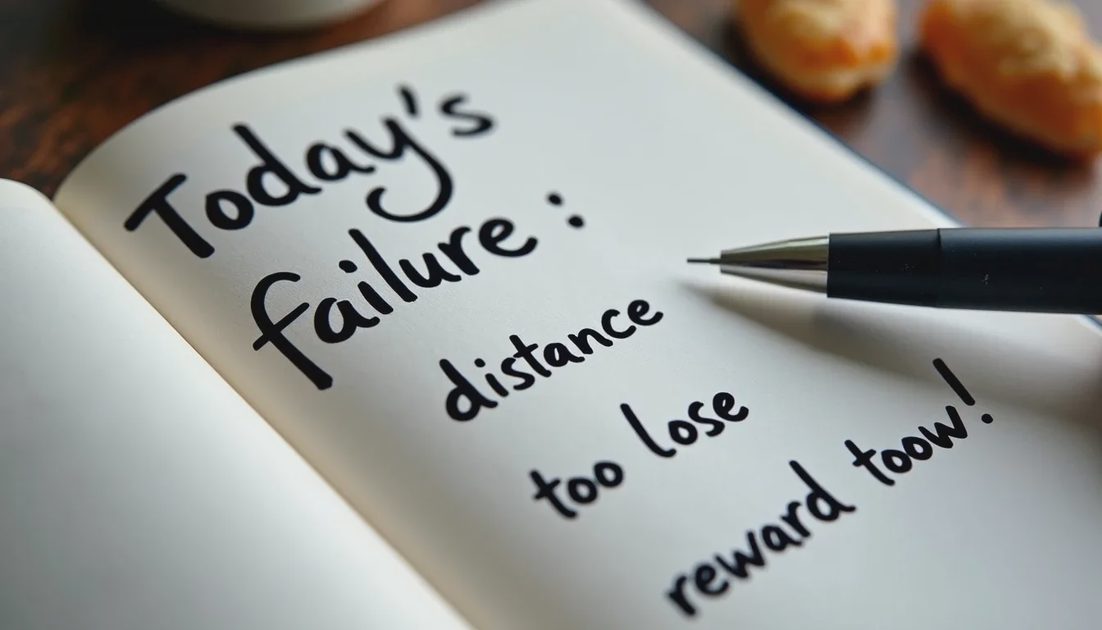
After a rough session I try to write one or two concrete observations while they are still fresh:
“Too close to the other dog—need more distance next time.”
“Reward value too low for this level of distraction.”
“Asked for duration before the dog was solid at shorter times.”
Those notes become the starting point for the next practice instead of a vague feeling that “it didn’t work.” The session was not wasted; it simply moved the information from the dog to the trainer.

The Mindset Shift That Changes Everything
“That was information, not failure.”
I say this to myself often. It does not mean every session is perfect. It means the dog’s response is feedback about the conditions I created. When I treat it that way, I stop taking the session personally and start adjusting the variables that actually matter: distance, duration, distraction, reward value, and clarity of the cue.
This single shift has saved me more frustration than any specific training technique I have learned.
Why This Matters for Long-Term Progress
Training is not a straight line. Most real progress happens in the messy middle—through sessions that go well, sessions that fall apart, and the adjustments we make afterward. When we treat the rough sessions as data, we stop wasting emotional energy on shame or blame and start using the information to set the dog up more effectively next time.
A session that collapses is not evidence that you or the dog are failing. It is evidence that something in the current setup needs to change. That is useful. That is progress, even when it does not feel like it in the moment.
Final Thought
The next time a training session falls apart, try pausing before the self-criticism starts. Ask what the dog just told you about difficulty, clarity, or state. Write down one concrete observation. End cleanly. Then use that information the next time you pick up the treats.
Progress has four paws and a messy middle. The messy middle includes a lot of imperfect sessions. They are not interruptions to the work—they are how the work actually gets done, once we are willing to read them instead of fight them.


Letters
No letters yet — be the first to write.