
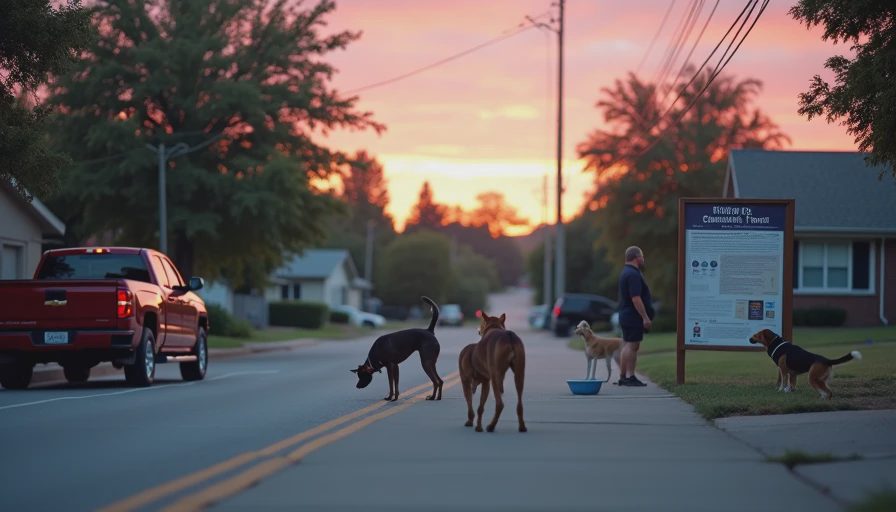
Seeing stray dogs wander along a road or curl up near a grocery store can turn an ordinary afternoon into a knot of worry. You want to help, but you also do not know whether the dog is frightened, injured, sick, or simply separated from home. With stray dogs, the safest first move is usually to slow down, create space, and gather information rather than rush in with an open hand.
I learned this lesson after Pepper, my cattle-dog mix, reacted loudly to a loose dog near our mailbox. My first instinct was to grab Pepper's leash tighter and move toward the dog. That was information, not failure: both dogs needed distance, and my job was to reduce pressure. Here is a practical plan for helping without turning a confusing situation into a dangerous one.
Start by Reading the Situation
Before approaching stray dogs, look at the whole scene. Is the dog walking normally, or is it limping, bleeding, panting heavily, or lying in traffic? Is there a collar, tag, harness, or leash? Does the dog seem curious and loose-bodied, or stiff, frozen, and watchful? A tucked tail, hard stare, raised hackles, growling, repeated lip licking, or frantic pacing can signal stress. These signs do not automatically mean aggression, but they do tell you to give the dog more room.
Do not send children toward the animal, and do not let your own dog greet it. A calm family dog can become defensive when cornered, while a loose dog can trigger chasing or resource guarding. Ask another adult to watch traffic if you are near a road. If the animal is injured, trapped, threatening people, or creating a traffic hazard, call local animal control or the police non-emergency number instead of attempting a rescue yourself.
If the dog is safe for the moment, take a clear photo from a distance and note the exact location, direction of travel, time, and visible markings. Those details can help a shelter, rescue group, or owner search efficiently.
Make Contact Without Cornering the Dog
Stray dogs often become harder to help when people follow them, surround them, or reach over their heads. Turn your body slightly sideways, keep your voice low, and avoid direct staring. You can sit or crouch at a safe distance, but do not crouch if doing so makes it difficult to move away. Tossing small pieces of food to the side, rather than holding food out in your fingers, can create a less pressured path toward you.
Use high-value, smelly food such as plain chicken, canned dog food, or small training treats if you have them. Let the dog decide whether to come closer. Do not use food to lure an anxious animal into a corner, garage, vehicle, or enclosed yard. A dog that feels trapped may bite even if it seemed friendly a minute earlier.
If the dog approaches and appears relaxed, avoid grabbing the collar immediately. Offer a loose slip lead or leash if you know how to use one safely. Keep your hands away from the face, and watch for sudden stiffness. If you cannot safely secure the dog, continue observing from a distance while professional help is on the way. Helping stray dogs does not require proving that you can catch every one.
What to Do Once the Dog Is Secure
A contained dog needs water, shade, and a quiet place away from pets and children. Use a bathroom, laundry room, garage, or securely fenced area only if the dog is calm and the space is safe. Keep the animal separate from your own dogs until a veterinarian has checked it. Even a friendly-looking dog can carry parasites, respiratory illness, or contagious skin conditions.
Look for identification before assuming the dog has been abandoned. A tag may list a phone number, but a microchip can only be found with a scanner. Veterinary clinics, animal shelters, and some pet supply stores can scan for a chip. Call the registered contact promptly, but protect your privacy by meeting in a public place or involving animal services if the situation feels uncomfortable.
Take several well-lit photos and post a simple found-dog notice in local neighborhood groups, shelter databases, and lost-pet pages. Include the cross streets, date, general description, and a safe contact method. Leave out one identifying detail, such as a unique marking, so a person claiming the dog can describe it accurately. Avoid posting your home address.

Be Careful With Food, Handling, and Transport
Keep meals simple and provide small portions until you know how the dog handles food. Rich leftovers can cause vomiting or diarrhea, and bones can create choking or digestive problems. Fresh water is helpful, but do not force a frightened dog to drink. A quiet room and predictable movements often do more than constant soothing or petting.
Transport requires planning. A small dog may travel safely in a secured carrier. A larger dog should be restrained with a properly fitted harness, crate, or seat-belt attachment designed for dogs. Never place an unsecured dog in the front seat or let it ride loose in a truck bed. If the animal is panicked, injured, or snapping, contact animal control or an emergency veterinary clinic for guidance instead of wrestling it into a car.
Do not give human pain medicine. Products containing acetaminophen, ibuprofen, or naproxen can be dangerous for dogs. A veterinarian can recommend appropriate treatment and check for injuries that are hidden beneath fur.
Finding the Owner and Choosing Next Steps
The best outcome for stray dogs is often a safe reunion with their families, not an immediate permanent placement. Contact the local shelter and animal control agency, because they may have a legal stray-hold process and records of missing pets. A shelter can also explain whether you should file a found-animal report even if you plan to foster temporarily.
Ask nearby residents whether they recognize the dog, but do not rely only on social media. Online posts can spread quickly, yet the owner may have reported the animal through a shelter or microchip company instead. Check lost-pet listings for a matching description and compare photos carefully. If someone claims the dog, meet at a shelter, veterinary clinic, or other public location and ask for proof such as veterinary records or distinctive details.
If no owner appears, talk with a rescue organization about foster care, adoption screening, vaccinations, and sterilization. Be honest about your capacity. Bringing home a dog when you already have Pepper and Milo is not automatically the kindest choice if you cannot provide safe separation, medical care, or decompression time.
Helping Your Own Dog Through the Encounter
If your dog sees stray dogs during a walk, create distance before asking for a sit or eye contact. Cross the street, step behind a parked car, or turn down a driveway. Feed small treats while your dog notices the loose animal, then leave once your dog can still eat and respond. If your dog is barking, lunging, or pulling hard, you are too close for learning.
Afterward, allow a quiet reset at home. Skip the crowded dog park and choose a short sniffing walk or a food puzzle instead. Make a note of what happened: distance, time of day, body language, and what helped. That record gives you a training starting point rather than a story about your dog being bad.
Stray dogs need patience, but so do the people trying to help them. Slow down, protect everyone’s space, use professionals when risk is high, and focus on one useful action today: report the location, provide safe distance, or call a shelter. Progress has four paws and a messy middle.


Letters
No letters yet — be the first to write.